
Planting
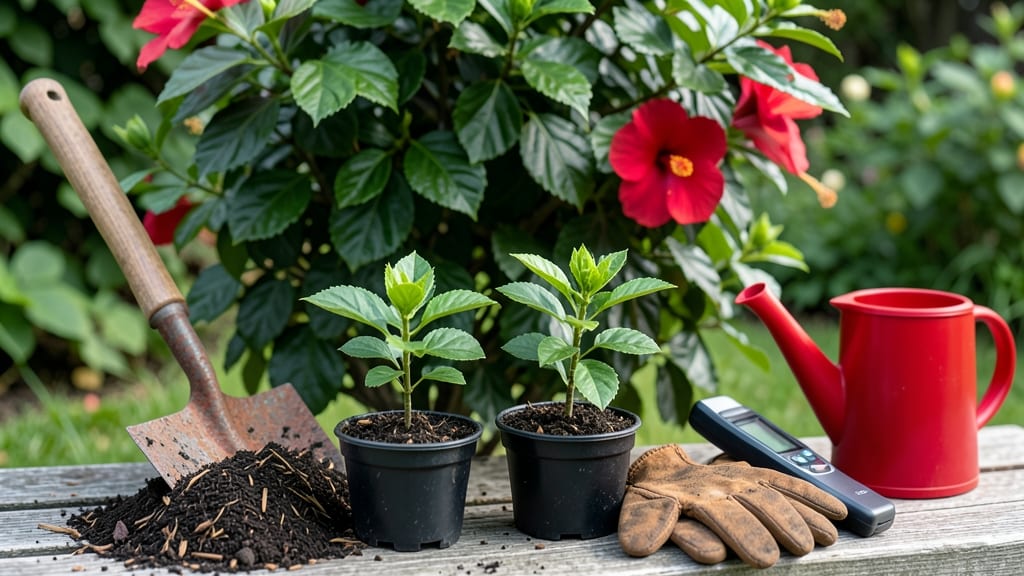
Planting your hibiscus bush 🌸 at the right time means the difference between a showstopping summer display and a sad, stunted shrub.
Timing your hibiscus bush planting wrong can mean the difference between vibrant blooms and struggling survival—get it right with these science-backed guidelines tailored to your climate zone.
In USDA Zone 6a, where frost lingers until mid-April, waiting until after the last frost is critical. But in warmer climates like Florida, you can plant year-round, though spring still delivers the best results.
Below, I break down the exact planting windows for your zone, soil temperature tricks to speed up root growth, and how to adjust for containers if you’re in a colder area.
Best planting months for hibiscus bushes by USDA hardiness zones
Timing your hibiscus bush planting is critical—these tropical beauties thrive when transplanted at the right moment. The USDA hardiness zones dictate your ideal window, balancing soil temperature (60°F minimum) with frost risk.
Plant too early, and frost will kill tender roots; too late, and your hibiscus may struggle to establish before winter. Let's break down the perfect planting months for each zone to ensure vibrant blooms all season.
Hibiscus bushes are frost-sensitive, especially tropical varieties like Hibiscus rosa-sinensis. In colder zones (3-7), you'll need to wait until after the last frost and ensure soil temperatures stay consistently above 60°F. Warmer zones (8-10) offer more flexibility, but even there, timing matters for robust growth.
Below, I’ve mapped out the best months to plant based on your zone, along with key considerations for transplant shock and establishment success.
Pro Tip: Use a soil thermometer to verify temperatures before planting. Hibiscus roots won’t thrive in cold soil, even if air temps are warm. Aim for 60-70°F at a 4-inch depth for optimal root development.
| USDA Zone | Best Planting Month | Soil Temp Requirement | Frost Risk | Notes |
|---|---|---|---|---|
| 3-5 | May-June | 60-70°F | High (plant after last frost) | Use containers; move indoors in winter |
| 6-7 | April-May | 60-70°F | Moderate (late frost possible) | Mulch heavily for winter protection |
| 8-9 | March-April | 55-65°F | Low (rare frost) | Can plant year-round in Zone 9+ |
| 10-11 | Year-round | 50-60°F | None | Best blooms with spring planting |
In USDA Zones 3-5, hibiscus bushes are best planted in late spring (May-June) when the risk of frost has passed. These zones experience harsh winters, so hibiscus are often grown in containers and moved indoors or protected with mulch.
Always check your last frost date—planting too early can kill tender roots.
For Zones 6-7, aim for April-May planting. Soil temperatures should be consistently above 60°F for 2-3 weeks before transplanting. Use row covers if late frosts are possible, and apply a 3-inch layer of mulch in fall to insulate roots.
Hardy varieties like Hibiscus moscheutos can tolerate slightly cooler temps.
Gardeners in Zones 8-9 enjoy more flexibility, with ideal planting from March-April. Soil temps here are milder, but still monitor for unexpected cold snaps. In Zone 9, you can plant year-round, but spring planting yields the most vibrant blooms due to longer daylight hours.
If you're in Zones 10-11, hibiscus bushes can be planted anytime, but spring (February-March) is ideal. These zones offer tropical conditions, so hibiscus grow faster and bloom more prolifically. Just ensure your soil is well-draining—hibiscus hate soggy roots.
For container planting in colder zones, use fast-draining pots and move them indoors before temps drop below 40°F. Place hibiscus near south-facing windows for maximum light. In-ground plants benefit from morning sun and afternoon shade in hot climates to prevent leaf scorch.
Remember: Soil temperature matters more than air temperature. Use a soil thermometer to confirm readiness—hibiscus roots won’t grow in cold soil, even if the weather feels warm. With the right timing, your hibiscus will reward you with stunning blooms
How to time your hibiscus planting for maximum blooms
Perfecting your hibiscus planting timing isn't just about avoiding frost—it's about aligning with the plant's natural growth rhythm. Hibiscus bushes enter a dormant phase in winter and need 6-8 weeks of warm soil to establish strong roots before summer blooming begins.
In my Zone 6a garden, I've learned that planting too early means struggling roots, while waiting too long can delay that first glorious summer bloom.
For maximum blooms, time your planting so roots establish by early summer. This means starting in late spring for most zones, but with adjustments for your local microclimate. Even in warmer areas, summer planting can work if you provide consistent moisture during establishment.
The key is understanding your hibiscus's growth cycle and matching it with your climate's seasonal patterns.
🌱 Key Takeaway: When to Plant Hibiscus Bush
Ideal Planting Window
After last frost when soil reaches 60°F
Zones 6-7: April-May
Zones 8-9: March-April
Zones 10-11: Year-round
Critical Factors
✅ Soil temp >60°F at 4" depth
✅ No frost risk for 2 weeks
✅ 6+ hours sun daily
✅ Well-draining soil
Pro Tips
💡 Use row covers for late frosts
💡 Mulch heavily after planting
💡 Water deeply 2x/week first month
💡 Fertilize after 6 weeks
In colder climates, I've found that summer transplanting (June-July) can actually work better than spring for some hibiscus varieties. The established warmth gives roots more time to adapt before winter.
For my Hibiscus rosa-sinensis, I always plant in late May when soil temps hit 65°F—this gives roots 3 months to establish before our first frost in October.
For container-grown hibiscus, timing becomes even more critical. You'll want to plant when your local nighttime temps stay above 50°F consistently. In my experience, moving potted hibiscus outdoors too early can shock the roots, while waiting too long means stunted growth.
I always harden off container plants for 10 days before moving them outside permanently.
One strategy I've adopted for extended blooming seasons is to plant a second batch in early summer. This creates a staggered bloom cycle that keeps flowers appearing from June through September. Just be prepared to provide extra water and afternoon shade during hot spells to protect these newer plants.
Remember that hibiscus are tropical plants at heart—they thrive on warmth and consistency. By matching your planting schedule to their natural growth patterns rather than just avoiding frost, you'll set your hibiscus up for healthier roots and more abundant blooms all season long.
The right timing isn't just about when you plant—it's about creating the perfect conditions for your hibiscus to flourish from day one. 🌸