
Pests and Diseases
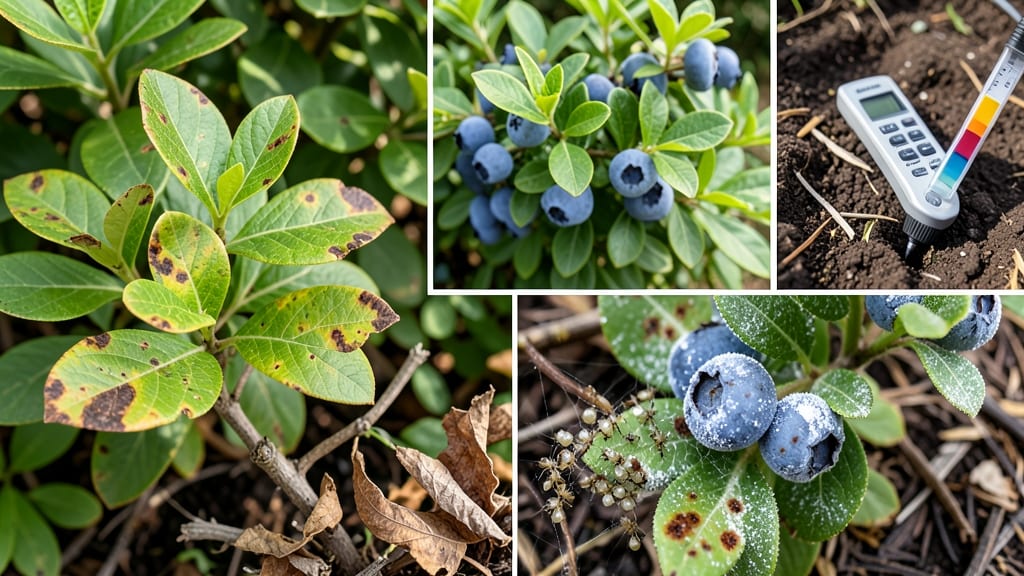
What’s wrong with my blueberry bush? Those wilted leaves and tiny berries aren’t normal. 🌿 I’ve seen this exact scenario a dozen times, and the fixes are simpler than you’d think. The good news? Most blueberry problems come down to three core issues: soil pH, watering habits, or hidden pests lurking in the leaves.
First, check the soil—blueberries demand acidic conditions (pH 4.5–5.5). If your soil tests higher, those nutrients lock up, leaving leaves yellow and growth stunted. Overwatering or drought-stress also causes wilting, while spider mites or birds can strip fruit before it ripens.
The fix? A soil test kit, consistent moisture, and netting for birds.
Within 2–3 weeks of correcting pH or watering, you’ll see new green leaves pushing out. For pests, a strong spray of water or neem oil does the trick. The berries will plump up, the bush will stand tall, and you’ll finally get that jewel-toned harvest you planted for.
This works for container-grown bushes too—just swap the soil and watch it bounce back. The key is acting fast. Let’s diagnose yours step by step.
Root Causes Behind Blueberry Struggles
Blueberry bushes are resilient, but when they start showing signs of distress—like wilted leaves, stunted growth, or odd discoloration—it’s usually a signal that something’s gone wrong beneath the surface. Understanding the why behind these issues is the first step to saving your bush.
Below, we break down the most common culprits, backed by science, so you can diagnose and act fast.
Blueberries thrive in acidic soil (pH 4.5–5.5), but many gardeners unknowingly plant them in alkaline or nutrient-poor soil. Here’s why this happens:
- 🔬 pH Imbalance: Soil with a pH above 6.0 locks out essential nutrients like iron, manganese, and zinc, leading to yellowing leaves (chlorosis), even if the soil looks fertile. Blueberries can’t access these nutrients in alkaline conditions, causing stunted growth.
- 💡 Lack of Organic Matter: Sandy or clay-heavy soils drain too quickly or hold too much water, starving roots of oxygen and nutrients. Without organic matter (like peat moss or compost), the soil structure breaks down, leaving roots vulnerable.
- 📊 Nutrient Deficiencies: Even in acidic soil, a lack of nitrogen, phosphorus, or potassium can weaken your bush. Over time, this leads to poor flowering, small berries, or leaf drop.
💡 Pro Tip: Test your soil’s pH with a kit (available at garden centers). If it’s too high, amend with sulfur or pine fines and mix in well-rotted compost or leaf mold to improve structure.
Blueberries are not drought-tolerant, but they also hate soggy roots. Both extremes stress the plant, leading to:
- 💦 Overwatering: Waterlogged soil cuts off oxygen to roots, causing root rot (Phytophthora). Symptoms include dark, mushy stems and yellowing leaves that wilt despite moist soil. Fungal pathogens thrive in these conditions, further weakening the bush.
- 🌵 Underwatering: Shallow roots dry out, especially in hot weather, leading to crispy leaf edges and dropping berries. The plant prioritizes survival over fruit production, so growth stalls.
💡 Pro Tip: Blueberries need 1–1.5 inches of water per week, either from rain or irrigation. Use mulch (pine needles or straw) to retain moisture and regulate soil temperature. Ensure pots or beds have good drainage—no standing water!
Blueberries are magnets for pests and pathogens, especially when stressed. Here’s what’s likely gnawing on your bush:
| Pest/Disease | What It Does | Signs to Watch For |
|---|---|---|
| Blueberry Maggot (Fly) | Larvae burrow into berries, causing them to rot and drop early. | Small holes in fruit, oozing liquid, or premature ripening. |
| Spider Mites | Suck sap from leaves, leading to stippling (white/yellow dots) and leaf curl. | Fine webbing on undersides of leaves, bronzing of foliage. |
| Root Weevils | Adults chew leaves, while larvae munch on roots, causing wilt and dieback. | Notched leaves, grub-like larvae in soil, or sudden plant collapse. |
| Fungal Diseases (Mummy Berry, Botrytis) | Fungi infect flowers or fruit, leading to blackened, mummified berries or powdery gray mold. | Dark, shriveled berries, white fungal growth on stems. |
💡 Pro Tip: For pests, use neem oil or insecticidal soap (safe for blueberries). For fungi, prune infected branches and apply copper fungicide early in the season. Encourage beneficial insects like ladybugs to control mites naturally.
Blueberries are hardy but not invincible. Extreme conditions can shock them into distress:
- 🌡️ Temperature Swings: Late frosts (<32°F) can damage blossoms, reducing fruit set. Heatwaves (>90°F) cause leaf scorch (brown edges) and dropped berries.
- 🌬️ Wind Burn: Young leaves are tender and can scorch or tear in strong winds, leading to ragged edges or crispy patches.
- 🌞 Too Much Sun: While blueberries love light, intense afternoon sun in hot climates can overheat roots and cause leaf drop.
💡 Pro Tip: Protect young bushes with frost cloth in spring. In hot areas, dappled shade (30–50%) during peak afternoon sun can prevent stress. Mulch heavily to insulate roots from temperature extremes.
Most blueberry problems stem from one (or a combo) of these issues. Once you identify the root cause, you can target treatments—whether it’s adjusting soil, pruning for airflow, or ridding your bush of unwelcome guests.
Stay tuned for our next section on quick fixes to revive your struggling blueberry!
Quick Fixes for Ailing Blueberry Bush
If your blueberry bush is showing signs of distress—whether it’s wilted leaves, stunted growth, or mysterious spots—don’t panic! Most issues have simple, actionable solutions. Below, we’ve mapped out the most common problems and the exact steps to revive your bush, plus tips to keep it thriving long-term. Grab your gloves and let’s get to work! 🌱🔧
If your blueberry leaves are turning yellow, crispy, or drooping, the culprit is often poor soil health or watering mistakes. Blueberries are picky—they need acidic soil (pH 4.5–5.5) and consistent moisture.
🔥 Step-by-Step Revival Plan
- 🌡️ Test Your Soil’s pH
- Grab a soil pH test kit (or use vinegar/baking soda DIY tests).
- If pH is above 6.0, amend with sulfur or peat moss (follow package instructions).
- Pro Tip: 💡 Blueberries hate alkaline soil—if your pH is off, fix it before fertilizing!
- 💧 Adjust Your Watering Routine - Overwatering? Let the top 1–2 inches of soil dry out between waterings. Improve drainage by adding compost or sand to heavy clay soil. - Underwatering? Water deeply 1–2 times per week (more in extreme heat).
Mulch with pine needles or wood chips to retain moisture.
- 🍄 Feed with the Right Fertilizer
- Use an acid-loving plant fertilizer (like Miracle-Gro Azalea/Camellia or cottonseed meal).
- Avoid: Generic lawn fertilizers—they’ll raise your soil’s pH and burn roots!
🛡️ Prevention Tips
- Mulch annually with pine bark or sphagnum peat to maintain acidity.
- Water at the base (not overhead) to prevent fungal diseases like botrytis blight.
- Monitor soil moisture—blueberries hate soggy roots but also dry spells.
Tiny holes, chewed edges, or sticky residue on your bush? You’re dealing with insect invaders like spider mites, aphids, or blueberry maggots. These pests suck the life out of your plant but can be kicked out with the right tactics.
🍳 Step-by-Step Pest Eradication
- 🔍 Identify the Culprit
- Spider mites? Look for fine webbing on undersides of leaves.
- Aphids? Check for tiny green/black clusters on new growth.
- Blueberry maggots? Find small white larvae in fruit or brown spots on leaves.
- 👨🍳 Natural Sprays (Safe & Effective)
- For mites/aphids: Spray with neem oil (1 tbsp per quart of water + dish soap) every 5–7 days until pests vanish.
- For maggots: Use kaolin clay (like Surround WP) to coat leaves and deter egg-laying.
- Pro Tip: 🌡️ Spray early morning or late evening to avoid harming bees!
- 🔪 Manual Removal (For Heavy Infestations)
- Blast pests off with a strong jet of water from your hose.
- Prune and destroy heavily infested leaves (don’t compost them!).
🛡️ Prevention Tips
- Encourage predators: Plant marigolds or dill nearby to attract ladybugs and lacewings.
- Net young fruit if maggots are a recurring issue.
- Clean up debris in fall—pests love hiding in old leaves!
If your bush has lots of leaves but no fruit, it’s likely due to lack of pollination, improper pruning, or weak roots. Blueberries need a little TLC to reward you with a bountiful harvest.
⏰ Step-by-Step Growth Boost
- 🐝 Check for Pollinators
- Blueberries are self-pollinating but thrive with help. Plant a second bush nearby (different variety) to improve cross-pollination.
- Pro Tip: ✨ If bees are scarce, gently shake branches during bloom to help pollen spread.
- ✂️ Prune Like a Pro
- When? Prune in late winter or early spring (before buds swell).
- How?
- Remove dead, diseased, or crossing branches.
- Cut back old canes (over 5 years) to encourage new growth.
- Thin out overcrowded branches to improve airflow.
- 💪 Strengthen the Roots
- Aerate the soil if it’s compacted (use a garden fork).
- Top-dress with compost in early spring to replenish nutrients.
🛡️ Prevention Tips
- Fertilize in early spring with a low-nitrogen, high-potassium formula (like 10-10-10).
- Avoid over-pruning—never remove more than 1/3 of the bush at once.
- Plant in full sun (6+ hours daily)—shady spots = fewer berries!
White powder, orange spots, or mushy fruit? Fungal diseases thrive in humid, poorly ventilated conditions. Act fast before they spread!
🍄 Step-by-Step Fungal Cleanup
- 🧼 Remove Infected Parts
- Prune all diseased leaves/fruit and dispose of them in the trash (not compost).
- Sterilize pruners with rubbing alcohol between cuts.
- 🌿 Apply Fungicidal Sprays
- Preventative: Spray with baking soda mix (1 tsp baking soda + 1 quart water + a drop of soap) every 10 days during wet seasons.
- Treatment: Use copper fungicide (like Copper Soap) for severe cases.
- 💨 Improve Airflow
- Thin out dense foliage.
- Space bushes 3–5 feet apart to reduce humidity around leaves.
🛡️ Prevention Tips
- Water at the base (never overhead).
- Avoid overhead sprinklers—they spread fungal spores.
- Plant in sunny spots (fungi love shade and dampness).
With these fixes, your blueberry bush should bounce back stronger than ever! 🌟 Remember, consistency is key—check soil, watch for pests, and prune regularly to keep problems at bay. Happy gardening! 🍇🌿
Frequently asked questions
Why are my blueberry leaves turning yellow?
Yellow leaves usually mean your soil pH is too high (alkaline) or your bush needs more iron. Blueberries thrive in acidic soil (pH 4.5–5.5). Test your soil and amend with sulfur or pine fines if needed. Yellowing often starts with younger leaves first—this is called chlorosis.
What should I do if my blueberry bush has no fruit?
Check three things first: pollination (plant a second bush nearby), pruning (remove old canes in late winter), and fertilizer (use acid-loving plant food). Blueberries need 6+ hours of sun daily too—shade reduces fruit production. If flowers appear but drop, it could be frost damage.
How do I know if my blueberry bush has pests?
Look for tiny webs on leaves (spider mites), chewed edges (weevils), or small holes in fruit (blueberry maggots). Check undersides of leaves for aphids or sticky residue. For spider mites, spray with neem oil every 5–7 days until they disappear.
Can I save my blueberry bush if the leaves are wilted?
Yes! Wilting usually means overwatering or underwatering. Let the top 1–2 inches of soil dry between waterings, but keep it consistently moist. Improve drainage by adding compost. If roots are mushy (root rot), prune affected areas and repot in fresh acidic soil.
How often should I fertilize my blueberry bush?
Fertilize once in early spring with an acid-loving plant food (like cottonseed meal). Avoid high-nitrogen fertilizers—they raise pH. For container-grown bushes, feed every 4–6 weeks during growing season. Always water deeply after fertilizing to prevent root burn.