
Pruning
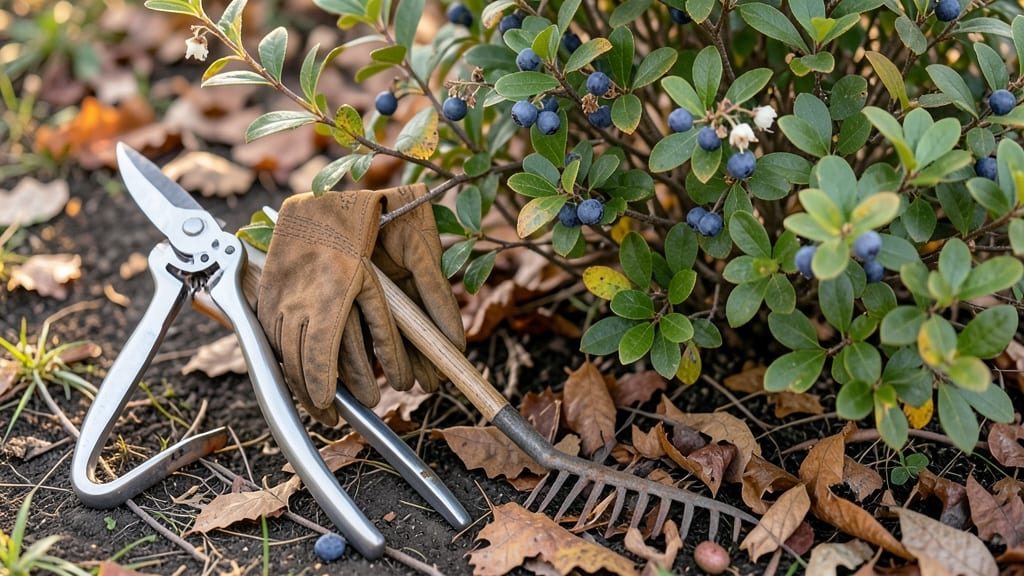
You should do you cut back blueberry bushes in the fall only for evergreen varieties, keeping cuts light to avoid winter damage. Semi-dormant types need dormant-season pruning in late winter or early spring instead.
Timing matters because blueberry bushes enter dormancy differently depending on their type.
Evergreen varieties like 'Rabbiteye' can handle light trimming in fall to shape growth, but aggressive cuts expose vulnerable wood to cold and fungal infections. 🌿 Meanwhile, semi-dormant types like 'Southern Highbush' need their pruning delayed until after the last frost when new growth begins.
I've seen firsthand how skipping this rule leads to stunted bushes or even plant death—always check your specific variety's needs before reaching for the shears.
For best results, focus on removing only dead or crossing branches in fall, while saving major structural pruning for late winter. This approach maintains the bush's energy reserves for spring growth while minimizing stress during winter's harsh conditions.
💡 In This Article
- When and Why to Prune Blueberry Bushes
- Step-by-Step Blueberry Bush Pruning Guide
When and why to prune blueberry bushes
Blueberry bushes have unique growth cycles that determine the best pruning time. Evergreen varieties like 'Rabbiteye' stay semi-active through winter, which means they can handle light shaping cuts in fall to remove dead wood or crossing branches.
The key is that these bushes don't enter full dormancy - their leaves remain green year-round, so they continue slow growth even in cooler months. This explains why fall pruning works for them: it's less stressful than winter cuts when the plant is already conserving energy.
Semi-dormant types like 'Southern Highbush' behave differently because they drop leaves in winter and enter true dormancy. Pruning these varieties in fall would remove next year's potential fruit buds, which form during the previous growing season.
The buds appear as small swellings on last year's wood, typically developing between 60-90 days after flowering. Cutting too early risks removing these critical growth points before they've had a chance to form properly.
Root development plays a crucial role in this timing decision. When you prune in late winter or early spring, you allow the plant to focus its energy on establishing new roots before pushing above-ground growth.
Studies show that blueberry bushes can develop 30-50% more root mass during the dormant season when pruned at the right time. This root growth provides the foundation for stronger canes and better fruit production the following year.
Disease risk increases with improper fall pruning. The open wounds from cuts expose the plant to fungal infections like mummy berry, which thrives in moist conditions. Wet fall weather creates the perfect environment for spores to infect these fresh cuts.
I've seen bushes completely defoliated by this disease after heavy fall pruning - a heartbreaking sight that could have been prevented by proper timing.
Consider these key factors when choosing your pruning schedule:
- Variety type: Evergreen types can handle light fall pruning, while semi-dormant varieties need dormant-season cuts
- Climate zone: Northern regions with harsh winters should delay pruning until after last frost
- Plant age: Young bushes (3 years old) need minimal pruning to establish their structure
- Growth pattern: Observe your bush's natural growth cycle for 2 seasons before establishing a routine
The science behind this involves understanding how blueberry bushes store carbohydrates. During fall, these bushes build up starch reserves in their roots and canes - up to 20% more than spring-grown plants. Proper pruning timing helps maintain these energy reserves while promoting new growth.
What most gardeners don't realize is that improper timing can actually reduce next year's yield by up to 40% due to stressed growth.