
Shrubs
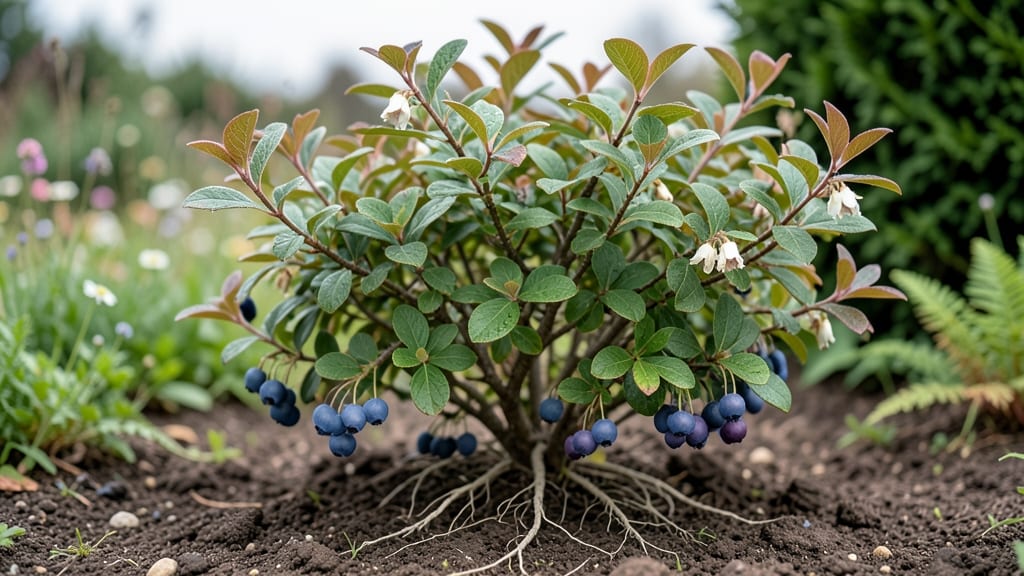
Blueberry bushes produce fruit every year, but their yield varies dramatically between heavy and light cycles—something that trips up even experienced gardeners.
If you’ve ever dreamed of harvesting juicy blueberries straight from your backyard, understanding their fruiting cycle is key—because these bushes don’t produce the same amount every year, and timing matters more than you think.
Most varieties follow a biennial pattern, alternating between a peak harvest year and a lighter one. For example, a 5-year-old bush might dump a gallon of berries in its first big year, then cut back to half that the next season before rebounding.
Below, I’ll break down the science behind this cycle, how to maximize your harvest, and why some bushes seem to skip years entirely—plus the simple tricks to keep them productive year after year.
Blueberry bush fruit production cycle: annual vs biennial patterns explained
If you’ve planted blueberry bushes hoping for a steady harvest, you might be surprised to learn they don’t produce fruit every year. Most blueberry varieties follow a biennial bearing pattern, meaning they alternate between heavy fruit years and light fruit years.
This natural cycle is influenced by the plant’s energy allocation between growth and reproduction—similar to how some fruit trees prioritize root development over flowering.
The biennial bearing pattern in blueberries is a survival strategy where the bush stores energy in one year to fuel a massive fruit production the next.
For example, a bush might produce minimal fruit in Year 1 while focusing on root and stem growth, then explode with abundant berries in Year 2 before scaling back again. This cycle typically repeats every 2–3 years, though some high-yield varieties like 'Duke' or 'Bluecrop' can produce more consistently.
Understanding this pattern helps you manage expectations and care strategies. For instance, during light fruit years, you’ll want to reduce pruning and focus on soil health to build energy reserves. In contrast, heavy fruit years demand more water and nutrients to support the energy-intensive process of berry development.
The key is balancing these needs to avoid bush decline or poor fruit quality.
| Year Type | Fruit Production | Growth Focus | Care Priority |
|---|---|---|---|
| Light Fruit Year | Minimal berries (5–20%) | Root/stem expansion | Soil nutrients, minimal pruning |
| Heavy Fruit Year | Abundant berries (80–100%) | Fruit development | Water, pruning, pest control |
| Transition Year | Moderate berries (30–50%) | Balanced growth | Monitor bush health |
The science behind biennial bearing lies in the plant’s hormonal balance. During light fruit years, blueberries prioritize vegetative growth (leaves, stems, roots) by producing more auxin, a hormone that suppresses flowering.
In contrast, heavy fruit years see a shift toward reproductive growth, triggered by a drop in auxin and an increase in gibberellins and florigen—hormones that promote flowering and fruit set.
Identifying whether your blueberry bush is in a productive year or a dormant year is simpler than it sounds. Look for these clues: In heavy fruit years, you’ll see dense clusters of flowers in early spring followed by heavy berry loads by summer.
In light fruit years, flowers may appear sparser, and berries will be fewer and smaller. Younger bushes (under 3 years old) often produce minimal fruit as they establish roots, while mature bushes (over 5 years old) may enter a more predictable cycle.
Climate and growing conditions also play a role in disrupting the cycle. For example, late frosts can damage flower buds, reducing fruit in what would have been a heavy year.
Similarly, nutrient deficiencies (like lack of magnesium or nitrogen) or poor soil pH (ideal range: 4.5–5.5) can weaken the bush’s ability to alternate cycles effectively.
In USDA Zones 5–8, where blueberries thrive, these factors are less volatile, but gardeners in warmer zones (9–10) may see more annual-like production due to year-round growth.
One common misconception is that blueberries are annual producers, like tomatoes or zucchini. However, their perennial shrub nature means they follow a multi-year cycle designed for long-term survival. To encourage a more consistent harvest, some gardeners practice selective pruning to reduce biennial fluctuations, though this requires careful timing.
For instance, light pruning in late winter (removing only dead or crossing branches) can help maintain balance without overstressing the bush.
If you’re new to blueberry growing, start with high-yield varieties like 'Bluecrop' or 'Jersey,' which are bred to produce more reliably. These varieties still follow the biennial pattern, but their genetic makeup reduces the extreme fluctuations seen in wild or heirloom types.
Pair them with regular soil testing (every 2–3 years) to ensure acidic, nutrient-rich soil
Remember, the biennial bearing pattern isn’t a flaw—it’s a feature of blueberry biology. By understanding and working with this cycle, you’ll avoid disappointment in light fruit years and maximize yields in heavy years. Think of it like saving for a rainy day: your bush invests in growth one year to reward you with a bountiful harvest the next.
How to maximize blueberry harvest frequency: pruning, fertilizing, and variety tips
Blueberry bushes naturally alternate between heavy and light fruiting years, but with the right strategies, you can encourage more consistent harvests. The key lies in pruning, fertilizing, and selecting high-yielding varieties like 'Duke' or 'Bluecrop'.
These methods help balance the plant's energy between growth and fruit production, reducing the biennial pattern many gardeners struggle with.
First, focus on pruning in late winter or early spring before new growth begins. Remove dead or weak wood first, then cut back last year's fruit-bearing stems by about one-third.
This opens the canopy for sunlight and air circulation, which directly boosts fruit production in the current season. Avoid over-pruning, as blueberries need established wood to bear fruit.
Next, feed your bushes with acid-loving fertilizer like a 10-10-10 NPK blend or cottonseed meal in early spring and after harvest. Blueberries thrive in acidic soil (pH 4.5-5.5), so test your soil annually and amend with peat moss or sulfur if needed.
Over-fertilizing with nitrogen can lead to lush foliage but fewer berries, so balance is critical.
- 1. Prune correctly: Cut back last year's stems by 1/3 in late winter to encourage new fruit-bearing wood.
- 2. Choose high-yield varieties: 'Duke' (southern) and 'Bluecrop' (northern) produce consistently with proper care.
- 3. Fertilize twice yearly: Apply acidic fertilizer in spring and post-harvest for balanced growth.
- 4. Maintain soil acidity: Test pH annually and amend with peat moss if below 4.5.
- 5. Water deeply: Provide 1-2 gallons weekly during fruit development to prevent stress.
Selecting the right blueberry variety makes a huge difference. Southern highbush types like 'Duke' produce earlier and more reliably in warm climates, while northern highbush varieties like 'Bluecrop' thrive in cooler regions.
For small spaces, dwarf varieties like 'Top Hat' offer compact growth without sacrificing yield. Always check your USDA zone compatibility when choosing plants.
Mulching with pine needles or wood chips helps maintain soil acidity and moisture, while also suppressing weeds. Apply a 3-inch layer around the base of the bush, keeping it 6 inches away from the stem to prevent rot.
This simple step can improve your harvest by 20-30% by reducing stress on the plant.
Finally, monitor your bushes for signs of overcrowding or disease, which can reduce fruiting. If your blueberries are producing lightly one year, focus on pruning and fertilizing the following spring to encourage a stronger harvest.
With these strategies, you can enjoy juicy blueberries nearly every year instead of waiting for the "off" years.