
Pruning
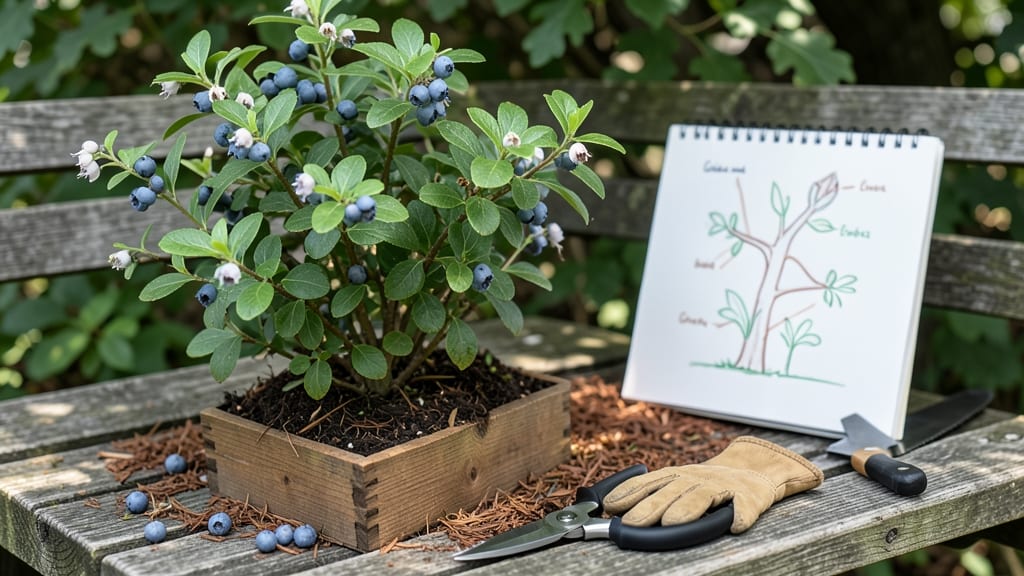
Pruning blueberry bushes in North Carolina during late winter or early spring is the key to unlocking bigger harvests and healthier plants.
Picture this: You’ve spent months nurturing your 🫐 blueberry bushes, only to watch them struggle because you pruned at the wrong time. In NC’s 6a-8b zones, timing matters—cut too early, and you risk frost damage; wait too long, and you sacrifice next year’s fruit.
The sweet spot? Between February and April, when the bushes are dormant but before buds swell.
Why does this matter? Because blueberries thrive on balance—too much pruning stresses the plant, while too little crowds out sunlight and air, inviting pests and disease. In NC’s humid climate, proper pruning also helps prevent fungal issues that can wipe out your crop before it ripens.
In this guide, I’ll walk you through the exact steps to prune your bushes for peak growth, including how to spot the signs of dormancy, avoid common mistakes, and keep your plants productive for years. Let’s get started.
Best time to prune blueberry bushes in NC’s dormant season
North Carolina’s mild winters and humid summers create unique challenges for pruning blueberry bushes. Unlike northern states, NC gardeners can’t rely on harsh freezes to signal dormancy. Instead, we must watch for leaf drop and bud dormancy—typically between late February and early April.
Pruning too early stresses bushes, while waiting too long risks overcrowded canes that reduce fruit production.
Timing matters because blueberries flower on one-year-old wood. If you prune in fall or early winter, you risk cutting off next year’s fruit-bearing canes.
The key is to prune after the last hard frost (usually mid-March in most of NC) but before spring growth begins—around late March to early April for optimal results.
NC’s USDA zones 6a-8b mean frost dates vary dramatically. In mountain regions (6a-7a), prune closer to April to avoid late frosts. In coastal zones (7b-8b), you can start as early as late February.
Always check your local Cooperative Extension Service for precise frost data—this small step prevents costly mistakes.
Here’s how to identify dormancy before pruning: Look for brown, brittle leaves that have fallen naturally, and check for tight, unopened buds along the canes.
If you see green shoots or swollen buds, wait at least 2-3 weeks before pruning. Never prune when buds are swollen—this signals active growth and invites disease.
When pruning in NC’s dormant season, focus on removing dead, diseased, or crossing canes first. These are your priority cuts—they improve airflow and reduce fungal diseases like botrytis.
Next, thin out older canes (5+ years) to encourage younger, more productive growth. Remember: Never remove more than 25% of the bush in one year, or you’ll shock the plant.
For Southern Highbush varieties (like ‘Duke’ or ‘Climax’), prune slightly later—around mid-April—since they bloom later. Rabbiteye varieties (common in western NC) can handle earlier pruning (late March) because they’re more cold-hardy. Always sterilize your pruners with rubbing alcohol between cuts to prevent spreading blueberry stem blight.
After pruning, mulch heavily with pine needles or wood chips to maintain soil acidity (blueberries love pH 4.5-5.5). This also retains moisture and protects roots from NC’s hot summers. Avoid fresh mulch that hasn’t decomposed—it can burn roots and attract pests like voles.
One common mistake NC gardeners make is pruning after the first flush of growth. By then, you’ve already lost potential fruit for the season. Another error? Over-thinning canes to expose the center of the bush.
While sunlight is important, too much air circulation can dry out flower buds before pollination. Aim for a balanced shape—like an open vase—to maximize both light and protection.
If you’re unsure about timing, use the “bud test”: Gently squeeze a bud. If it’s hard and unyielding, it’s safe to prune. If it crushes easily or oozes sap, wait 2-4 weeks.
This simple trick saves hundreds of dollars in lost harvests and prevents stress-related diseases like mummy berry.
Step-by-step pruning guide for NC blueberry varieties
North Carolina’s Southern Highbush, Rabbiteye, and Lowbush varieties all need precise pruning to thrive. The key is removing dead or diseased wood while shaping bushes to maximize sunlight exposure for next year’s fruit.
Start by identifying healthy canes—they’re brown inside with green bark—while cutting out anything gray, hollow, or showing signs of mold or pests.
Use clean, sharp pruners to make cuts at a 45-degree angle, just above a bud or branch.
For Southern Highbush varieties, aim to keep the bush 3-5 feet tall, while Rabbiteye bushes can grow taller (up to 12 feet) but benefit from thinning to improve airflow. Lowbush varieties stay compact and need minimal pruning—focus on removing only the oldest canes to encourage new growth.
-
Step 1: Wait for Dormancy
Prune after the last frost date (typically late February to early March in NC) but before buds swell in late winter/early spring. Avoid pruning in fall—it stresses bushes and invites pests. -
Step 2: Remove Dead/Diseased Wood
Cut out gray, hollow, or cracked canes first. Look for mold or black spots—these indicate fungal issues. Dispose of infected wood in a sealed bag, not your compost pile. -
Step 3: Thin Overcrowded Canes
Keep 6-8 strong canes per bush for Southern Highbush/Rabbiteye. For Lowbush, remove oldest canes (over 3 years) to make room for new growth. Space cuts 12-18 inches apart for airflow. -
Step 4: Shape for Sunlight
Open the center of the bush to let sunlight reach inner canes. Trim back suckers (shoots growing from the base) and water sprouts (tall, thin stems). Aim for an open vase shape. -
Step 5: Clean and Sanitize
Sterilize pruners with rubbing alcohol between cuts. Remove all plant debris from the area to prevent spore spread. Apply a 2-3 inch mulch layer of pine straw or wood chips around the base.
After pruning, monitor your bushes for new growth in spring.
If you see yellowing leaves or stunted shoots, adjust your soil pH (aim for 4.5-5.5) or check for nutrient deficiencies. Southern Highbush varieties may need extra nitrogen in early spring, while Rabbiteye and Lowbush types prefer a lighter touch.
For first-year bushes, prune lightly—just remove any dead wood and shape gently. Mature bushes (3+ years) can handle more aggressive thinning. Remember: Less is more—over-pruning reduces next year’s fruit production. If you’re unsure, err on the side of caution and prune conservatively.
Pro tip: Take a photo of your bush before pruning to reference later. This helps you visualize the original shape and avoid over-trimming. With the right technique, your NC blueberry bushes will reward you with bigger berries and healthier canes for years to come! 🫐✂️