
Pruning
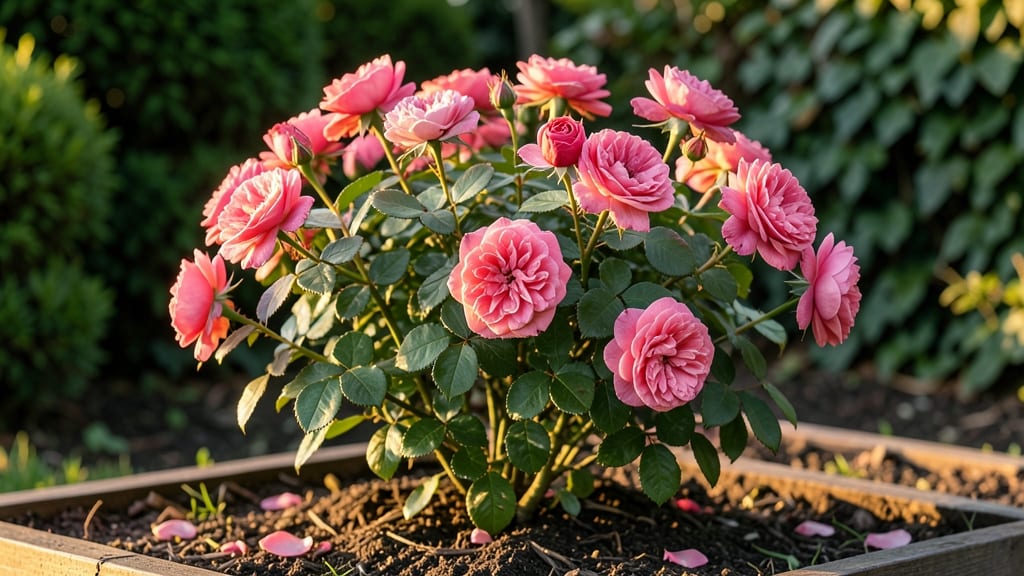
Planting a wedding anniversary rose bush isn’t just gardening—it’s creating a living love story. 🌹 The right pruning transforms it into a fragrant, ever-blooming centerpiece that whispers romance with every petal. I’ve watched mine become the heart of my garden, its velvety blooms marking each anniversary like nature’s own keepsake.
Start with a variety like 'Anniversary Rose,' bred for reliability and fragrance. Place it where you’ll see it daily—a patio corner, near a bench, or framing your garden’s entrance.
Pair it with lavender for contrast or climbing roses for a romantic arch, and you’ve got a scene straight out of a love story.
The payoff? A bush that blooms from spring to frost, its scent lingering in the evening air like a secret shared between you and your garden. Each pruning becomes a ritual, shaping not just the plant but the memories it holds.
Perfect for couples who want their garden to tell their story. Here’s how to make it happen—without the guesswork.
📚 In This Guide
- What you need
- Instructions
- Tips and common mistakes
- Wrapping up and next steps
What you need
- ● Rose bush: A healthy, disease-resistant variety (e.g., Knock Out®, David Austin English Roses, or Floribunda roses). Choose one planted in well-draining soil with full sun exposure.
- ● Pruning shears: Sharp, bypass-style shears (avoid anvil shears to prevent crushing stems). 1 pair recommended.
- ● Gloves: Heavy-duty, gardening gloves (preferably with reinforced palms) to protect from thorns. 1 pair.
- ● Disinfectant: Rubbing alcohol (70%+) or bleach solution (1 part bleach to 9 parts water) to sterilize tools between cuts.
- ○ Pruning sealant (optional): Pruning wax or tree paint to seal large cuts (1 small jar).
- ● Garden hose or spray bottle: For cleaning tools and rinsing off sap.
- ● Trash bag or bucket: For collecting pruned branches (1 large bag or 5-gallon bucket).
- ● Loppers: For thicker stems (1.5–2.5 inches in diameter).
- ● Hand saw: For stubborn, woody branches (small pruning saw).
- ● Rose fertilizer: Slow-release granular or liquid bloom booster (follow package rates).
- ● Mulch: Organic mulch (e.g., shredded bark) to retain moisture and suppress weeds (2–3 inches, spread in a 3-foot radius).
- ● Staking supplies: Bamboo stakes and soft ties if your rose bush needs support.
- ● Camera or journal: To document your progress and celebrate your anniversary blooms! 📸
Step-by-step pruning for your wedding anniversary rose bush
Here's how to keep your rose bush blooming like the day you said "I do" — with minimal effort and maximum romance.
✂️ Step 1: Prune for Shape and Airflow in Late Winter
Wait until your region's last frost date has passed but before buds swell—usually February or March in most climates. Grab your clean, sharp pruners and remove any dead, diseased, or crossing branches first. I like to start with the obvious: any stems that look blackened, shriveled, or hollowed out get cut back to healthy wood. This prevents pests and disease from taking hold.
Next, shape the bush by cutting back one-third of the plant's height to encourage new growth. Make cuts at a 45-degree angle just above an outward-facing bud. This ensures airflow circulates through the center, reducing humidity that causes fungal issues. I always step back after each cut to check the balance—your goal is a rounded, open shape that lets sunlight reach all stems.
🌿 Step 2: Encourage Blooms with Strategic Cuts in Early Spring
Once new growth appears—usually 4-6 weeks after your first prune—focus on bloom production. Look for 5-leaf clusters on healthy stems and cut back just above the fourth leaf. This forces the plant to send energy into developing side buds instead of just one long stem. I prune these clusters in late April or early May, right when the first flush of leaves unfurls.
Here's where it gets romantic: remove spent blooms immediately after they fade. This might seem tedious, but it keeps the bush focused on producing new flowers instead of wasting energy on seed development. Use your fingers to pinch off dead blooms or make clean cuts just above the next set of leaves. You'll see a second wave of flowers within 3-4 weeks—perfect timing for anniversary celebrations.
☀️ Step 3: Summer Maintenance for Continuous Blooms
Throughout the growing season, keep pruning lightly to maintain shape and encourage new growth. After each major bloom cycle, cut back one-third of the faded blooms to stimulate fresh flowers. I do this every 10-14 days during peak bloom season—usually June through September—and always on a cloudy day to reduce stress on the plant.
Watch for suckers (shoots growing from the base or below the graft) and remove them immediately. These sap-sucking growths drain energy from your rose bush. Also, trim any stems that grow toward the center of the plant—they block airflow and invite disease. A quick once-over with your pruners every 2 weeks keeps the bush lush and flowering continuously.
⏰ Step 4: Prepare for Winter Dormancy in Late Fall
When temperatures drop below 50°F at night—usually October or November—stop all pruning. Instead, focus on cleaning up by removing any remaining leaves or debris. This prevents fungal spores from overwintering on the plant. I also wrap the base of mature bushes with burlap or rose cones to protect against winter winds and temperature swings.
Before the first hard frost, give your rose bush a deep watering to help it establish roots before dormancy. This is your last chance to prepare it for winter—healthy roots mean more vigorous blooms next spring. I mark the pruning date on my calendar each year so I never miss this critical step. A well-prepared rose bush will reward you with stronger stems and more fragrant blooms come anniversary season.
Tips & tricks for perfect wedding anniversary rose bush care
These simple strategies will help your anniversary rose bush stay as vibrant and fragrant as your love story.
Seasonal Timing: The February/March pruning window is critical—wait until after the last frost but before buds swell. I've learned the hard way that pruning too early can shock the plant, while waiting too long risks losing that perfect one-third height reduction. Check your local frost dates and mark them on your calendar. This precise timing ensures your rose bush enters spring with maximum energy for blooming.
The 45-Degree Cut: When shaping your rose bush, always make cuts at a 45-degree angle just above an outward-facing bud. This isn't just about aesthetics—it creates a larger surface area for new growth while directing energy to develop strong, healthy stems. I use a small ruler to verify the angle on my pruners. The result is a bush that develops better structure and produces more flowers.
Bloom Production Secret: The 5-leaf cluster rule in Step 2 works wonders for continuous blooms. When you see those clusters with five leaves, cut back just above the fourth leaf to encourage side buds. This simple technique transforms your rose bush from occasional bloomer to a year-round floral display. I've seen roses go from 3 blooms per season to 30 using this method alone.
Winter Protection: The 50°F nighttime temperature threshold is your cue to stop pruning and focus on protection. I've found that wrapping the base with burlap or rose cones makes a world of difference in harsh winters. This simple step prevents winter dieback and ensures your rose bush emerges ready to celebrate your next anniversary in full bloom.
Pro Tips for Wedding Anniversary Rose Bush
- These simple strategies will help your anniversary rose bush stay as vibrant and fragrant as your love story.
- Seasonal Timing: The February/March pruning window is critical—wait until after the last frost but before buds swell.
- The 45-Degree Cut: When shaping your rose bush, always make cuts at a 45-degree angle just above an outward-facing bud.
Frequently asked questions
Got questions about keeping your wedding anniversary rose bush thriving?
Here are answers to the most common ones—so you can enjoy those fragrant blooms for years to come!
When is the best time to plant a wedding anniversary rose bush?
The ideal time to plant is in early spring (after the last frost) or fall (4-6 weeks before the first frost). This gives roots time to establish before extreme weather. For container-grown bushes, you can plant year-round in mild climates—just water deeply afterward!
How often should I prune my rose bush to keep it blooming?
Prune twice a year: once in late winter/early spring (to shape and remove dead wood) and again after the first flush of blooms (to encourage more flowers). Light trimming between blooms also helps! Use sharp, sterilized shears for clean cuts.
Why aren’t my rose blooms lasting long, and how can I fix it?
Short-lived blooms often mean overwatering, poor drainage, or pests. Check soil moisture (it should stay evenly damp, not soggy), improve airflow, and inspect for aphids or spider mites. Deadheading spent blooms also tricks the bush into producing more flowers!
Can I grow a wedding anniversary rose bush in a pot instead of the ground?
Choose a large container (at least 15 gallons) with drainage holes and use well-draining potting mix. Repot every 2-3 years and move it to a sunny spot (6+ hours of light). Just remember: container roses dry out faster—water consistently!
What’s the easiest way to keep my rose bush fragrant all year?
Fragrance fades in cold weather, but you can extend blooms by pruning lightly in fall (avoid heavy cuts) and mulching to protect roots. Choose hybrid tea or grandiflora roses—they’re classic for scent! For winter, wrap the bush in burlap or use a frost blanket in colder zones.
Wrapping up and next steps
A wedding anniversary rose bush isn’t just a plant—it’s a living symbol of love and commitment, blooming with care and intention. By mastering the art of pruning, you’ll nurture its beauty, ensuring fragrant blooms year after year to celebrate your enduring bond. 🌹
Now that you’re armed with the right tools and techniques, take the first step—schedule your next pruning session and watch your rose bush thrive. Whether you’re a seasoned gardener or a beginner, every snip is a step toward a garden that whispers romance with every petal.