
Shrubs
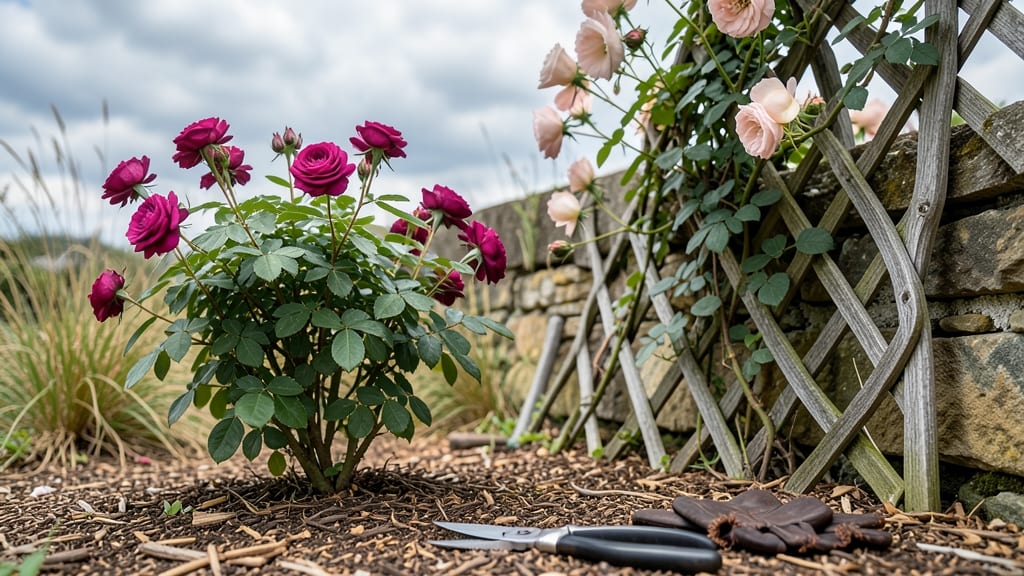
Choosing between a rose bush and a climbing rose isn’t just about looks—it’s about how you want your garden to grow. 🌹 One stays compact, the other reaches for the sky, and each demands a different pruning approach to keep them blooming their best.
I’ve learned the hard way that treating them the same leads to tangled messes or stunted growth. Bush roses thrive as standalone focal points or along borders, their sturdy canes supporting 3-5 feet of lush, repeat blooms.
Climbers, though, need a trellis, fence, or arbor to showcase their 6-12 foot reach—without support, they flop like overgrown vines. The pruning secrets lie in their structure: bush roses get a cleaner cut to encourage outward growth, while climbers need longer stems to climb higher.
You’ll end up with a garden that feels intentional—whether it’s a romantic cottage border of bush roses or a dramatic vertical wall of climbing varieties. The right choice depends on your space, style, and how much you’re willing to train (or prune) them.
Think of it this way: bush roses are the easygoing neighbors, while climbers are the dramatic divas of the garden. Pick based on your energy—and your garden’s vertical potential.
The first product explained
Meet the Knock Out® Rose—your low-maintenance, high-reward hero in the world of rose bushes! 🌹✨ This award-winning hybrid shrub is the perfect choice for gardeners who want bold blooms, minimal fuss, and year-round interest without the complexity of climbing varieties. Let’s dive into why this rose bush steals the show.
📏 Specs & Features
- Type: Disease-resistant shrub rose (no thorns on most varieties!)
- Mature Size: 3–5 feet tall and wide (compact enough for small gardens or containers).
- Bloom Season: Near-continuous from spring through frost—no deadheading required!
- Color Palette: Classic red, pink, yellow, and even double blooms in 12+ varieties.
- Hardiness: Zones 4–9 (tough as nails in cold or heat!).
- Light Needs: Full sun (6+ hours daily) for maximum blooms.
- Soil Preference: Adaptable but thrives in well-draining, slightly acidic soil.
🎯 Target Users
This rose bush is a dream for:
- 🌿 Beginner gardeners—no pruning anxiety here! Just trim back in late winter.
- 🏡 Urban gardeners with limited space (thrives in pots or tight borders).
- 🐾 Pet owners (most varieties are non-toxic to dogs/cats).
- 🌧️ Busy professionals—it blooms like crazy with almost zero effort.
- 🎨 Landscape designers looking for colorful, low-maintenance hedges or foundation plants.
💰 Price Point & Value
Knock Out® Roses are a steal for the value they deliver:
- Price Range: $25–$50 per plant (bare-root or potted, depending on retailer).
- Why It’s Worth It:
- 💡 No deadheading—unlike traditional roses, these keep blooming nonstop.
- 🛡️ Disease-resistant—save time and money on pesticides.
- 🌿 Long lifespan (10+ years with proper care).
- 🎁 Gift-ready—everyone loves a rose bush that just works!
💡 Pro Tip for Pruning
Want even more blooms? Prune in late winter or early spring by cutting back one-third of the oldest canes to the ground. This encourages new growth and denser foliage—no fancy techniques required!
The second product explained
If you're dreaming of a romantic, vertical garden that transforms your fence or trellis into a living work of art, the Knock Out® Rose 'Double Knock Out®' climbing variety is your perfect match! 🌹✨ This hybrid tea rose is a game-changer for gardeners who want low-maintenance beauty with explosive blooms year after year.
🌿 Key Specs & Features
- Type: Climbing rose (can also be grown as a shrub)
- Height: 8–12 feet (with support)
- Spread: 4–6 feet
- Bloom Time: Continuous from spring to frost (with proper care!)
- Flower Color: Vibrant pink with a creamy center
- Fragrance: Light, sweet scent (not overpowering)
- Hardiness: Zones 4–9 (tough as nails!)
- Disease Resistance: Highly resistant to black spot, powdery mildew, and rust
- Growth Habit: Bushy, repeat-blooming clusters (3–5 flowers per stem)
🎯 Who Is This Rose For?
This climbing rose is ideal for:
- Small-space gardeners: Perfect for balconies, patios, or urban yards with trellises.
- Low-maintenance lovers: Fewer pruning needs than traditional roses—just a little shaping!
- Wildlife-friendly gardeners: Blooms attract bees and butterflies.
- DIY enthusiasts: Easy to train on arches, pergolas, or fences for instant curb appeal.
💰 Price Point & Value
Priced between $25–$45 per plant (depending on retailer and size), this rose offers exceptional value for its:
- Long-lasting blooms (no deadheading required!)
- Durability in harsh climates
- Year-round interest (even with no flowers, the stems are stunning)
Pro Tip: 💡 Buy from reputable nurseries (like Weeks Roses or local garden centers) for healthier, disease-free plants. Look for bare-root options in early spring for the best deals!
Head-to-head comparison
Ready to dive into the showdown between rose bushes and climbing roses? Let’s break down the key differences in a side-by-side comparison so you can decide which type fits your garden dreams—whether you’re chasing bold, bushy blooms or dramatic vertical drama. 🌹✨
🌿 Growth Habit & Structure
This is where the two stars of the show really shine—or climb, in one case! Here’s how they stack up:
| Feature | Rose Bush | Climbing Rose |
|---|---|---|
| Height | Typically 3–5 feet (some dwarf varieties stay under 2 feet). | 6–20+ feet—think trellises, arbors, or even pergolas! |
| Spread | Wide and compact (2–4 feet), perfect for borders or foundation plantings. | Can sprawl or climb aggressively (5–10+ feet), depending on support. |
| Form | Bushy, rounded with multiple stems radiating from the base. | Long, flexible canes that need training to grow upward or outward. |
| Support Needed? | No—just water and sunlight! | Yes! Requires a trellis, fence, or other structure to thrive. |
💡 Pro Tip: If you love the look of climbing roses but lack vertical space, try a shrub rose with a semi-climbing habit—it’s the best of both worlds!
🌸 Blooming Performance
When it comes to color, frequency, and abundance, both types deliver—but in different ways.
| Feature | Rose Bush | Climbing Rose |
|---|---|---|
| Flower Size | Medium to large (3–5 inches wide), often in clusters. | Larger and showier (4–6+ inches), but typically single blooms per stem. |
| Bloom Frequency | Repeat bloomers (e.g., hybrid teas, floribundas) produce multiple flushes per season. | Seasonal bloomers (many climbers) have one big show (spring/summer), though some repeat-blooming varieties exist. |
| Fragrance | Varies widely—some are highly fragrant (e.g., David Austin English roses), others mild. | Often more potent—classic climbers like Blaze or New Dawn pack a heavy scent. |
| Color Range | Every color imaginable—reds, pinks, whites, yellows, and even blues (with blue roses being a myth, but deep purples exist!). | Classic romantic hues—deep reds, soft pinks, and creamy whites dominate, but modern varieties are expanding the palette. |
✨ Pro Tip: For non-stop blooms, opt for repeat-blooming climbing roses like Zephirine Drouhin or The Fairy—they’ll keep you in flowers from spring to frost!
🌱 Maintenance & Care
Let’s talk pruning, feeding, and upkeep—because even the most stunning roses need a little TLC.
| Feature | Rose Bush | Climbing Rose |
|---|---|---|
| Pruning Complexity | Moderate—focus on deadheading and shaping in early spring. | More involved—requires structural pruning to train canes and remove weak growth. |
| Watering Needs | Regular but moderate—deep watering 1–2 times per week (adjust for climate). | Higher—climbers have longer canes that need consistent moisture, especially in hot weather. |
| Fertilizing | Balanced fertilizer (high in phosphorus for blooms) applied 3–4 times per year. | More frequent feeding—use a rose-specific fertilizer every 4–6 weeks during growing season. |
| Pest/Disease Risk | Moderate—susceptible to black spot, powdery mildew, and aphids. | Higher—longer canes = more surface area for pests (e.g., rose slugs, sawfly larvae). |
| Winter Care | Mulch heavily and protect with burlap wraps in harsh climates. | Extra protection needed—tie canes to support and mound soil around base to insulate roots. |
🔥 Pro Tip: Climbing roses thrive with a strong support system—invest in a durable trellis or arbor to prevent breakage from wind or snow.
💰 Cost & Value
Your wallet will thank you for knowing the upfront and long-term costs before planting.
| Feature | Rose Bush | Climbing Rose |
|---|---|---|
| Plant Cost | $10–$30 per bush (bareroot or potted). | $20–$50+—higher-quality canes command a premium. |
| Support Cost | $0—no additional structures needed. | <
Which one should you choose?So, which rose is the right fit for you? The choice between a rose bush and a climbing rose depends on your space, style, and gardening goals. Here’s a quick verdict to help you decide: 🌿 Pick a Rose Bush If...
🌹 Choose a Climbing Rose If...
🌱 Hybrid Idea? Try a Shrub-Rose Hybrid!If you’re torn, consider shrub roses (like ‘Dr. Huey’ or ‘The Fairy’). They’re a cross between bush and climbing—compact enough for beds but with the bold blooms of climbers. Perfect for gardeners who want both drama and ease! 🎯 Final Tip: Start with 1–2 plants to test what you love. Bush roses for borders, climbers for verticals—mix and match for a garden that’s as unique as you are! |