
Shrubs
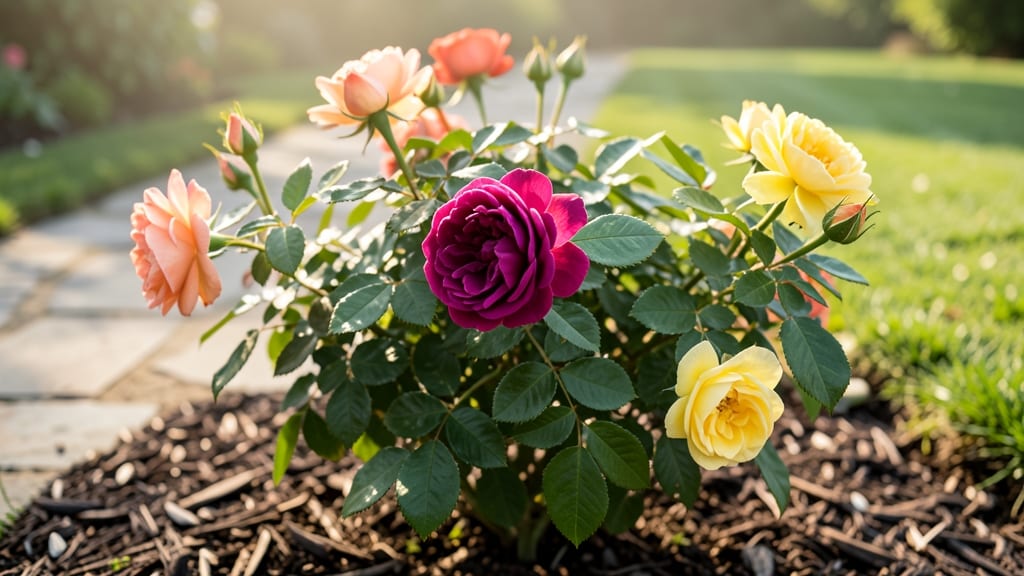
Celebration rose bushes turn weddings and garden parties into unforgettable moments. 🌹 Their velvety petals and intoxicating scent make them the star of any special occasion—whether you're draping them over an arch or lining a garden path for guests.
These roses thrive on attention, so position them where they'll be seen and smelled. Varieties like 'Double Delight' or 'Iceberg' bloom continuously, offering lush color from spring through fall. Pair them with lavender for a romantic contrast or eucalyptus for a modern twist. The best part?
They stay fragrant and full with minimal fuss. A light pruning after each bloom cycle keeps them shaped and productive, while their disease resistance means fewer headaches. Your guests will remember the roses long after the cake is gone.
Perfect for event planners, brides, or anyone who wants a garden that feels like a five-star venue. Here's how to make them shine!
📚 In This Guide
- What you need
- Instructions
- Tips and common mistakes
- Wrapping up and next steps
What you need
- ● Celebration Rose Bushes: 1–3 plants (depending on desired coverage; spacing 3–4 feet apart). Choose Knock Out® Roses (disease-resistant, low-maintenance variety).
- ● High-Quality Potting Soil: 2–3 bags (or 10–15 cubic feet of garden soil amended with compost). Look for a mix labeled for roses or shrubs.
- ● Organic Rose Fertilizer: 1–2 lbs (slow-release, like Espoma Rose-Tone or Dr. Earth).
- ● Mulch: 2–3 bags (wood chips or pine straw; 2–3 inches thick).
- ● Watering Can or Hose: With a gentle spray nozzle for even hydration.
- ● Garden Gloves: 1 pair (heavy-duty, to protect from thorns and soil).
- ● Hand Trowel or Spade: For digging holes (6–8 inches wide/deep).
- ● Pruning Shears: Sharp, sterilized shears (for trimming dead branches or shaping).
- ● Measuring Tape: To ensure proper spacing (3–4 feet between plants).
- ● Sunlight Spot: At least 6–8 hours of full sun daily (partial shade tolerates Celebration Roses but may reduce blooms).
- ● Drainage Check: Ensure the planting area isn’t soggy (roses hate "wet feet").
- ● Rose Food Spikes: For seasonal nutrient boosts (spring/fall).
- ● Epsom Salt: 1–2 tablespoons mixed with water (monthly spray for magnesium).
- ● Thorn-Proof Long Sleeves: For peace of mind while pruning!
- ● Decorative Stakes or Trellis: To support climbing varieties (if applicable).
How to plant and maintain Celebration rose bushes
Here's my go-to method for growing these fragrant, low-maintenance roses that bloom all year.
🪴 Step 1: Choose the Perfect Planting Location
Celebration roses thrive in full sun—select a spot that gets at least 6-8 hours of direct sunlight daily. I always check the area mid-morning when the sun is strongest to confirm there are no shadows from trees or buildings. The location should also have good air circulation to prevent fungal diseases, so avoid tight corners or enclosed spaces.
Test the soil drainage by digging a hole about 12 inches deep and filling it with water. If it drains completely within 2 hours, the spot is ideal. If water still pools after that time, you'll need to amend the soil with organic matter like compost or sand before planting. Celebration roses hate soggy roots, so proper drainage is non-negotiable.
🌱 Step 2: Prepare the Soil and Plant Correctly
Dig a hole twice as wide as the rose bush's root ball but only as deep as the container it came in. This prevents burying the graft union (the swollen area near the base of the stem), which can cause disease. Loosen the roots gently if they're circling the root ball—just spread them out naturally without forcing them.
Fill the hole halfway with a mix of native soil and compost (about 50/50), then place the rose bush in the center. Backfill with the remaining soil mixture, pressing lightly to remove air pockets. Water deeply right after planting to settle the soil around the roots. You'll know it's right when the soil surface looks slightly damp but not muddy.
☀️ Step 3: Water and Fertilize for Strong Growth
Water your Celebration rose deeply once a week during the first 30 days after planting, ensuring the soil is moist 6 inches down. You'll see new growth within 2-3 weeks—that's your signal everything is working. After that, water every 5-7 days, adjusting for rain. The goal is to keep the soil consistently moist but never waterlogged.
Apply a balanced rose fertilizer (like 10-10-10) once a month during the growing season (spring through fall). I like to mix it with water and apply it directly to the soil, keeping it 2-3 inches away from the stem to avoid burning the roots. In winter, skip fertilizing entirely—Celebration roses enter a natural dormancy period and don’t need extra nutrients.
✂️ Step 4: Prune for Continuous Blooms and Health
Prune your Celebration rose twice a year: once in late winter (just before new growth starts) and again in mid-summer after the first flush of blooms. Start by removing dead, diseased, or crossing branches—these compete with healthy growth. Then, cut back 1/3 of the oldest canes to encourage new, vigorous growth.
For shaping, look for outward-facing buds when making cuts. These will grow into branches that create an open, airy structure. Avoid heavy pruning in fall—it stresses the plant before winter. After pruning, give the bush a light application of compost around the base to replenish nutrients. You'll notice more blooms and stronger stems within 4-6 weeks.
🌿 Step 5: Protect and Enjoy Year-Round Beauty
Celebration roses are disease-resistant, but they still benefit from preventative care. Spray the foliage with neem oil every 4-6 weeks during growing season to deter pests like aphids. Mulch around the base with 2-3 inches of organic mulch (like wood chips) to retain moisture and suppress weeds—just keep it 2 inches away from the stem to prevent rot.
Deadhead spent blooms regularly to encourage more flowers, but leave a few hips for winter interest. In colder climates, wrap the bush with burlap or frost cloth once temperatures drop below 20°F to protect it through winter. With minimal care, your Celebration rose will reward you with fragrant blooms nearly year-round—that’s the magic of this variety.
Tips & tricks for perfect Celebration rose bushes
These simple strategies will help you avoid common pitfalls and get the most out of your fragrant roses.
Sunlight Strategy: When selecting that perfect 6-8 hours of sun spot, consider the summer solstice—this is when shadows are shortest. I always check potential locations at midday to account for seasonal sun shifts. If your yard has afternoon shade, position the bush to catch morning sun instead—Celebration roses tolerate this better than full afternoon shade.
Planting Depth: That graft union (the swollen bump near the base) is your rose's Achilles' heel. Plant so it sits just above soil level—if buried, it can rot. I like to use a small stake to mark the correct depth before planting, then double-check after backfilling. This tiny detail prevents years of disease problems down the road.
Watering Wisdom: The 6-inch deep moisture check in Step 3 is crucial. Use a long screwdriver to test—if it comes out dry after watering, you're not going deep enough. I've found that watering in the early morning (before 9am) prevents fungal issues from overnight moisture. The soil should feel like a wrung-out sponge—not soggy, not bone-dry.
Pruning Payoff: Those 4-6 weeks after summer pruning might feel like forever, but trust the process. I've seen roses that bloom more prolifically after pruning because we're forcing new growth from the base. When shaping, look for "V" shaped buds—they'll grow outward and create that beautiful open structure. Avoid cutting into old wood (gray/brown canes) as these won't regrow.
Pro Tips for Celebration Rose Bushes
- These simple strategies will help you avoid common pitfalls and get the most out of your fragrant roses.
- Sunlight Strategy: When selecting that perfect 6-8 hours of sun spot, consider the summer solstice—this is when shadows are shortest.
- Planting Depth: That graft union (the swollen bump near the base) is your rose's Achilles' heel.
Frequently asked questions
Got questions about keeping your celebration rose bushes thriving? You’re not alone! Here are some of the most common queries—plus quick, expert-backed answers to help you grow confidently.
When is the best time to plant celebration rose bushes?
Plant them in early spring or fall (4–6 weeks before the first frost) for optimal root establishment. Avoid extreme heat or cold—aim for 50–70°F soil temps. If planting in summer, water deeply daily for the first 2 weeks to reduce transplant shock.
How often should I prune celebration roses?
Prune once a year in late winter or early spring (before new growth starts). Remove dead, diseased, or crossing branches first, then shape the bush by cutting back 1/3 of the oldest canes to encourage fresh blooms. Never prune in fall—it invites pests and weakens winter hardiness.
Why aren’t my celebration roses blooming as much as they should?
Common culprits include over-fertilizing with high nitrogen (promotes leaves, not flowers), poor sunlight (they need 6+ hours of sun daily), or underwatering. Try a balanced rose fertilizer (like 10-10-10) in spring and summer, and water 1–1.5 inches per week (deeply, not frequently).
Are celebration roses resistant to pests and diseases?
They’re disease-resistant (thanks to their hybrid tea lineage), but aphids, spider mites, and black spot can still strike. Prevent issues by:
- Spacing plants 3–4 feet apart for airflow.
- Avoiding overhead watering (water at the base).
- Removing fallen leaves in fall to reduce fungal spores.
What’s a good alternative if I want fragrant roses but less maintenance?
Consider Knock Out® roses (disease-resistant, reblooming) or David Austin English roses (fragrant, repeat-flowering). For zero-fuss options, try climbing roses like ‘New Dawn’—they’re hardy, fragrant, and bloom all season with minimal pruning. Pro tip: All roses need well-draining soil, so amend clay soil with compost!
Wrapping up and next steps
Celebration rose bushes are the perfect blend of beauty, fragrance, and low-maintenance charm—ideal for gardeners who crave year-round elegance without the fuss. 🌹 With their disease-resistant nature and vibrant blooms, they’re a dream for both beginners and seasoned plant lovers.
Now that you’re armed with the right tips, why not turn your garden into a fragrant sanctuary?
🌱 Your Next Step:
Start small—plant one Celebration rose bush this season and watch your outdoor space transform! Whether you’re gifting it to a fellow plant enthusiast or treating yourself, this shrub promises joy, color, and effortless beauty for years to come.