
Pruning
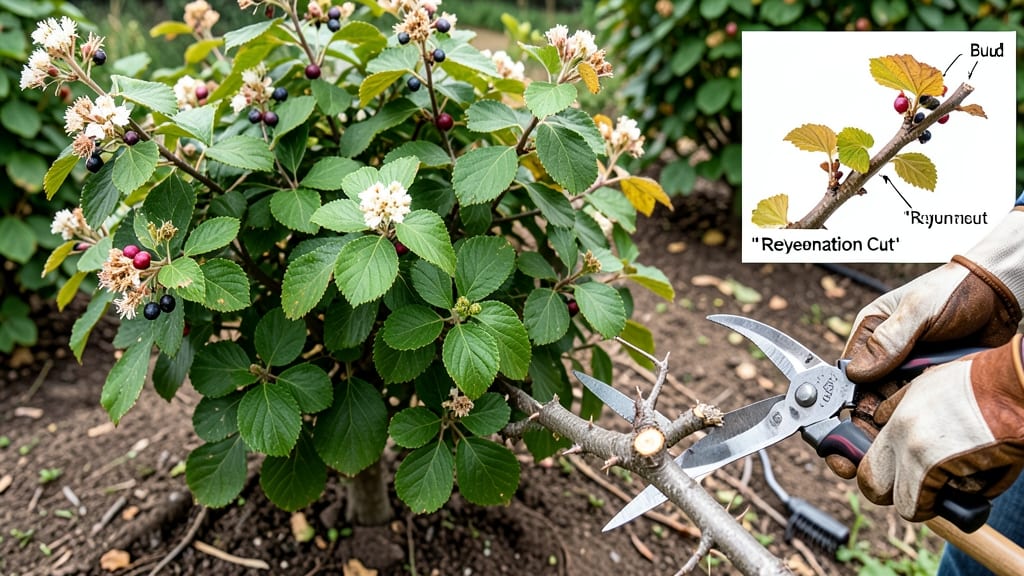
Pruning your viburnum bush isn't just about keeping it neat—it's the secret to healthy growth and those lush clusters of blooms you love. ✂️ I've pruned mine every year for five seasons, and the difference is night-and-day: fuller foliage, more flowers, and a shape that actually fits my landscape.
The key is timing and technique, and I'm sharing exactly how I do it without stress.
You'll need just three basic tools: sharp bypass pruners, a small hand saw for thicker branches, and a pair of gloves (trust me, viburnum thorns are no joke).
The best time to prune depends on your viburnum type—spring-flowering varieties get their haircut right after blooming, while fall-bloomers wait until late winter. Most varieties respond best to a light annual trim, but renewal pruning every few years keeps them vigorous.
What you'll end up with is a bush that looks intentionally designed, not just overgrown. The right cuts encourage new growth where you want it, and you'll see those signature berry clusters or fragrant blossoms multiplying.
I've even turned my viburnum into a natural privacy screen that stays dense year-round. The best part? You can prune year-round with the right approach—just avoid heavy cuts in late summer.
Different viburnums need slightly different care: Viburnum opulus (crane fly) thrives with open centers, while Viburnum dentatum (arrowwood) benefits from more aggressive renewal pruning. I'll walk you through the specific cuts for each type, plus how to spot the common mistakes that leave bushes looking ragged.
Let's get those branches under control!
📚 In This Guide
- What you need
- Instructions
- Tips and common mistakes
- Wrapping up and next steps
What you need
- ● Pruning shears – Bypass-style (for clean cuts on small stems, ¼"–½" thick). Quantity: 1 pair.
- ● Loppers – Bypass or anvil type (for thicker branches, ½"–1½" diameter). Quantity: 1 pair.
- ● Pruning saw – Curved-tooth or fine-tooth (for branches over 1½" thick). Quantity: 1.
- ● Gloves – Heavy-duty, cut-resistant (protects from thorns and sharp edges). Quantity: 1 pair.
- ● Disinfectant – Rubbing alcohol (70%+) or pruning sealant (prevents disease spread). Quantity: Small bottle.
- ● Garden twine or zip ties – For temporary support (if training young branches). Quantity: Small roll.
- ● Ladder or step stool – Sturdy, non-slip (for reaching higher branches). Height: 6–10 ft, depending on bush size.
- ● Hand pruners with ratcheting mechanism – Eases pressure on larger cuts.
- ● Long-handled pruners (loppers/saw) – For ground-level pruning without a ladder.
- ● Sharpie or marker – To label cuts for identification (e.g., "Remove next year").
- ● Compost bin or bag – For collecting pruned branches (unless diseased).
- ● Safety glasses – Protects eyes from debris (especially when using a saw).
Step-by-Step viburnum bush pruning for year-round health
Here’s how to keep your viburnum thriving with clean cuts and strategic shaping—no guesswork, just results.
✂️ Step 1: Prune in Late Winter for Structure
Grab your sharp pruning shears and tackle this job in late winter (just before buds swell) when the plant is dormant. Look for dead, crossing, or diseased branches—these are your first targets. I always start by removing any wood that’s thinner than a pencil or shows signs of disease (dark spots, fungal growth). These branches sap energy from the bush.
Next, shape the plant by cutting back one-third of the oldest stems to the ground. This encourages fresh, vigorous growth from the base. For a multi-stemmed viburnum, I leave 3-5 strong stems to maintain balance. Make cuts at a 45-degree angle, about ¼ inch above a bud facing outward. This prevents water from pooling and promotes better regrowth.
✂️ Step 2: Thin and Shape in Early Summer
After the spring flush of new growth, early summer is the time to refine your viburnum’s shape. Focus on thinning out crowded branches—aim for good air circulation between stems. I like to step back and visualize the bush as a rounded dome. If a branch is growing inward or rubbing against another, cut it back to a healthy outward-facing bud.
For flowering viburnums, avoid heavy pruning now—you want to preserve next year’s blooms. Instead, just lightly trim any leggy growth to encourage bushier habits. Use your shears to snip just above a leaf node where new growth can emerge. This keeps the plant compact and prevents it from becoming top-heavy.
✂️ Step 3: Light Maintenance in Late Summer/Fall
As fall approaches, do a quick cleanup to remove any deadheading flowers or damaged foliage. This prevents disease from overwintering in the plant. I also check for suckers—those weak, skinny shoots sprouting at the base. These compete with the main stems for nutrients, so cut them off at the ground.
For berry-producing viburnums, wait until after the berries ripen (usually late summer) before pruning. Otherwise, you’ll sacrifice next year’s fruit. If you notice any weak or spindly growth, trim it back by half to redirect energy into stronger stems. Always sterilize your shears with rubbing alcohol between cuts to prevent spreading disease.
⏰ Step 4: Monitor and Adjust Year-Round
Viburnums are low-maintenance, but monthly checks keep them looking their best. If you notice overgrowth in one area, do a light trim to balance the shape. Avoid pruning in fall or early spring—this can stimulate new growth that won’t harden off before winter.
Watch for pests like scale or spider mites—if you see sticky residue or webbing, treat with neem oil before pruning. And here’s the thing—never remove more than 25% of the bush in one season. This keeps the plant healthy and prevents shock. With consistent care, your viburnum will reward you with lush foliage, stunning flowers, and maybe even berries for years to come.
Tips & tricks for perfect viburnum bush pruning
These game-changing tips will help you prune like a pro and keep your viburnum thriving for seasons to come.
Timing is Everything: Late winter is your golden window for the big structural cuts—just before buds swell is perfect. If you miss this window, you risk stimulating new growth that won't harden off before spring. I've learned this the hard way after seeing tender new shoots freeze in unexpected cold snaps. Mark your calendar for that late winter date when your viburnum is completely dormant, and you'll set yourself up for success.
The 45-Degree Angle Secret: When making your cuts in Step 1, that 45-degree angle isn't just for show—it's about directing water away from the cut. I always visualize a tiny roof pointing outward. This simple technique prevents water from pooling in the cut, which can lead to rot or disease. Plus, it creates a cleaner look that makes your pruning work immediately visible. Think of it as the difference between a sloppy cut and a professional finish.
Bud Direction Matters: In Step 2, when you're thinning those crowded branches, always cut back to an outward-facing bud. This might seem like a small detail, but it's what transforms your viburnum from a wild, unruly bush into a beautifully shaped specimen. I like to step back and visualize the plant as a rounded dome—each cut should move you closer to that ideal shape while encouraging new growth in the right direction.
Sterilize Between Cuts: This is one of those tips nobody tells you until it's too late. After pruning diseased branches in Step 1, always sterilize your shears with rubbing alcohol before moving to healthy branches. I keep a small bottle of 70% isopropyl alcohol right in my gardening toolkit. It takes just seconds between cuts but prevents spreading disease from one part of the plant to another. Trust me, your future self will thank you when your viburnum stays healthy and vibrant.
Pro Tips for Viburnum Bush Pruning
- These game-changing tips will help you prune like a pro and keep your viburnum thriving for seasons to come.
- Timing is Everything: Late winter is your golden window for the big structural cuts—just before buds swell is perfect.
- The 45-Degree Angle Secret: When making your cuts in Step 1, that 45-degree angle isn't just for show—it's about directing water away from the cut.
Frequently asked questions
Got questions about pruning your viburnum bush? You’re not alone! Here are some of the most common concerns—plus expert answers to keep your shrub thriving.
When is the best time to prune a viburnum bush?
The ideal time depends on your viburnum type. For spring-flowering varieties (like Viburnum bodnantense), prune immediately after blooming to avoid cutting off next year’s flowers. Summer- or fall-blooming viburnums (such as Viburnum plicatum) can be pruned in late winter or early spring before new growth starts. Always avoid pruning in mid-winter when the plant is dormant.
How much can I trim back a viburnum bush?
Never remove more than one-third of the plant’s total volume in a single pruning session. For shaping, focus on thinning out crowded branches and removing dead, diseased, or crossing wood. If your viburnum is overgrown, spread pruning over 2–3 years to avoid stressing the plant. Pro tip: Use sharp, clean shears to make precise cuts just above a leaf node or bud.
What if I prune at the wrong time?
Pruning at the wrong time won’t kill your viburnum, but it can delay flowering or reduce next year’s blooms. If you accidentally prune a spring-flowering viburnum in winter, don’t panic—just wait until after it blooms to do any major shaping. For severe mistakes (like cutting back to bare wood), the plant will slowly regenerate from dormant buds, though it may take a season or two to recover.
Do I need to prune viburnum bushes every year?
Not necessarily! Mature, healthy viburnums often only need light maintenance pruning every 2–3 years to remove dead wood and maintain shape. However, young viburnums benefit from annual pruning to encourage bushy growth. Focus on corrective pruning (fixing issues like uneven growth or leggy branches) rather than rigid schedules.
What’s the difference between pruning for flowers vs. foliage?
If your goal is more blooms, prune right after flowering and avoid heavy cuts that remove next year’s flower buds. For lush foliage (like Viburnum dentatum), prune in late winter to thin out dense areas and improve airflow. Evergreen viburnums (like Viburnum tinus) can be lightly shaped anytime, but avoid heavy pruning in fall, as new growth may not harden off before winter.
Still unsure? Observe your viburnum’s growth habits—and don’t hesitate to ask a local nursery for variety-specific advice!
Wrapping up and next steps
Pruning your viburnum bush doesn’t have to be intimidating—just follow the right timing, techniques, and tools to keep it thriving! With seasonal care, you’ll encourage lush blooms, strong structure, and long-term health.
Now that you’re armed with year-round tips, grab those pruners and give your viburnum the love it deserves. Next up? Mark your calendar for late winter or early spring—it’s the perfect time to start shaping!