
Pruning
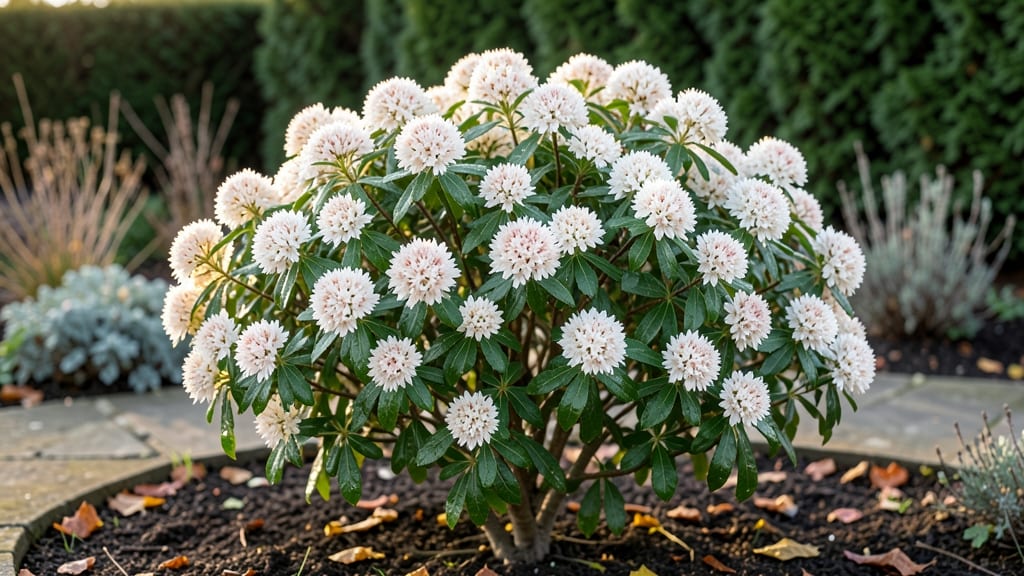
Pruning your Eastern Snowball Bush Viburnum is the secret to keeping it neat year-round while ensuring those iconic snowball blooms return every spring. ✨ I’ve pruned mine for five seasons, and the key is timing—cutting at the right moment makes all the difference between a tidy shrub and one that looks overgrown even after flowering.
The best time to prune is late winter or early spring, just as new buds swell but before leaves emerge. This gives you a clear view of the branches while encouraging fresh, vigorous growth.
You’ll remove dead wood, thin crowded stems, and shape the bush without touching last year’s blooms—those fat white clusters form on old wood, so leave them be.
After pruning, your bush will burst with healthier foliage and even more dramatic blooms next season. The secret’s in the layers: first, clean up the mess, then sculpt the silhouette, and finally, step back to admire how the light filters through those lush green leaves.
It’s the kind of pruning that makes neighbors pause and ask, “What’s your trick?”
Works for both formal hedges and natural landscapes—just adjust the shears accordingly. For advanced gardeners, I’ll share how to encourage more blooms by targeting specific branches. But for now, grab your pruners and let’s get started!
📚 In This Guide
- What you need
- Instructions
- Tips and common mistakes
- Wrapping up and next steps
What you need
- ● Pruning shears: Bypass pruners (sharp, clean, and disinfected with rubbing alcohol) for small branches.
- ● Loppers: 6–8" bypass loppers for thicker stems (up to 1.5" diameter).
- ○ Pruning saw: Optional for stubborn, thick branches (20–24" curved blade).
- ● Garden gloves: Heavy-duty, cut-resistant (e.g., Felco or Fiskars).
- ● Disinfectant: 70% isopropyl alcohol or hydrogen peroxide (3%) for tools.
- ● Tarp or bucket: For collecting clippings (helps reduce disease spread).
- ○ Rake: Optional for clearing debris afterward.
- ● Timing: Prune after flowering (late spring/early summer) or dormant season (late winter).
- ● Weather: Choose a calm, dry day (avoid pruning if rain is forecasted).
- ● Safety: Wear long sleeves/pants to avoid scratches from thorns.
- ● Knowledge: Study your bush’s growth habit—Eastern Snowball Viburnum blooms on old wood, so avoid heavy cuts in early spring!
Step-by-Step instructions for pruning Eastern Snowball bush viburnum
Here's how I keep my viburnum looking like a showstopper every season—blooms intact, shape perfect.
✂️ Step 1: Prune Immediately After Flowering
Right after the white spring blooms fade (usually late May to early June), grab your pruners and remove any dead, crossing, or weak branches. I cut back to an outward-facing bud just above a leaf node—this ensures new growth will fill the center. The key is to open up the center of the bush so air circulates and sunlight reaches all branches.
Don't worry about the size of the cuts. Even if a branch is half the plant's height, removing it now prevents future congestion. I always prune on a dry day when the plant isn't stressed from heat or drought. If you see any branches with brown, shriveled leaves from last year, remove those completely—they won't recover.
✂️ Step 2: Lightly Shape in Late Summer
Around mid-August, give your viburnum a quick shape-up. This is when the plant is storing energy for next year's blooms. I focus on three things: removing any suckers at the base, trimming branches that are growing inward, and shortening the longest stems by about one-third to encourage bushier growth.
Here's the thing—you're not trying to make it perfect. Just tidy up the edges and remove anything that looks like it's competing with the main structure. I like to step back every few cuts to check the overall shape. If you see bare spots where branches have died back, prune those out too—new growth will fill in by next spring.
✂️ Step 3: Minimal Winter Pruning for Airflow
In late winter or early spring (before buds swell), do one final light pruning. Remove any dead, diseased, or damaged branches first—they're easy to spot against the bare stems. Then, thin out any branches that are too crowded, cutting back to a healthy bud. The goal is to let light and air move through the center of the bush.
I never remove more than 25% of the plant's total growth in winter. This keeps the viburnum from getting stressed before bloom time. If you see any branches with multiple trunks growing from the same point, cut all but the strongest one. This prevents future congestion and keeps the plant looking neat.
🌿 Step 4: Post-Pruning Care for Healthy Growth
After pruning, give your viburnum a deep watering to help it recover. I like to add a 2-3 inch layer of mulch around the base (but not touching the trunk) to retain moisture and protect roots. Avoid heavy fertilizing right after pruning—this can encourage tender new growth that won't survive winter.
Watch the plant closely in the weeks after pruning. If you see new shoots growing from the base (suckers), remove them as soon as they appear. These compete with the main plant for nutrients and can weaken the viburnum's structure. A little maintenance now means fewer big cuts next year—and more beautiful blooms.
Tips & tricks for pruning your Eastern Snowball bush viburnum
A few simple strategies can keep your viburnum thriving without sacrificing those stunning white blooms.
Timing is Everything: The late May to early June window for Step 1 is critical because it allows your viburnum to set next year's flower buds while you remove last year's spent growth. I've learned the hard way that pruning too early can cut off potential blooms, while waiting too long risks leaving dead branches that spoil the plant's shape. Mark your calendar or set a phone reminder—this timing makes all the difference.
Visual Cues Over Rules: When shaping in mid-August (Step 2), trust your eyes more than measurements. Look for branches growing inward—they'll eventually cross and create weak points. I like to imagine the plant as a sculpture: each cut should improve the overall balance. If you're unsure, take before photos to compare later. The goal is to create natural openings that let light penetrate to the center.
Winter Pruning Precision: In Step 3, focus on removing only what's truly necessary—never more than 25% of the plant's growth. I've seen gardeners over-prune in winter and end up with sparse spring blooms. Look for branches that are dead, diseased, or growing in awkward directions. Remember, you're not trying to create a bonsai—just maintain an open, airy structure that encourages healthy new growth.
Post-Pruning Maintenance: After all your hard work, don't forget the care in Step 4. That 2-3 inch layer of mulch (keep it 2 inches away from the trunk!) is crucial for moisture retention. I've noticed my viburnums recover much better when I water deeply right after pruning—it's like giving the plant a refreshing drink after a workout. And those suckers? Remove them early—they're like weeds stealing nutrients from your main plant.
Pro Tips for Eastern Snowball Bush Viburnum
- A few simple strategies can keep your viburnum thriving without sacrificing those stunning white blooms.
- Timing is Everything: The late May to early June window for Step 1 is critical because it allows your viburnum to set next year's flower buds while you remove last year's spent growth.
- Visual Cues Over Rules: When shaping in mid-August (Step 2), trust your eyes more than measurements.
Frequently asked questions
about pruning your Eastern Snowball Bush Viburnum—because even pros need a little guidance!When is the best time to prune for maximum blooms?
The ideal window is late winter to early spring (just before buds swell) or right after flowering—never in fall. Pruning too late can stimulate tender new growth vulnerable to frost. For heavy shaping, split tasks: prune 1/3 of the plant in early spring and the rest after blooms fade.
Can I prune in winter if my snowball bush is dormant?
Yes! Eastern Snowball Viburnum is dormant-resistant, so winter pruning (Dec–Feb) works—but avoid extreme cold snaps (<10°F). Wait until temps stabilize above freezing to prevent shock. Always use sterilized tools to avoid spreading disease.
Why did my viburnum stop blooming after pruning?
Over-pruning (cutting into old wood) is the #1 culprit! These shrubs bloom on last year’s growth. Leave at least 1/3 of the plant uncut, and avoid shearing. If blooms are sparse, reduce nitrogen fertilizer—too much promotes leafy growth over flowers.
How do I revive an overgrown Eastern Snowball Bush?
Don’t panic! Rejuvenation pruning works in stages: Year 1, cut back 1/3 of the oldest stems to the ground. Year 2, tackle another third. Year 3, shape lightly. Water deeply post-prune and mulch to reduce stress. New growth will emerge from the base!
Are there alternatives if I hate pruning?
Yes! Opt for low-maintenance viburnums like Viburnum bodnantense (Winter Snowball) or Viburnum plicatum (Japanese Snowball), which tolerate minimal pruning. For a no-fuss look, let your Eastern Snowball grow naturally—just remove dead wood and thin out crowded branches every few years.
Wrapping up and next steps
The Eastern Snowball Bush Viburnum is a stunning, low-maintenance star for any garden—when pruned with care! By following seasonal techniques, you’ll keep its iconic blooms abundant while shaping it beautifully. Remember: patience and precision pay off.
Ready to transform your yard? Grab your tools and schedule your first pruning session this fall—your future blooms will thank you! 🌸✂️