
Pruning
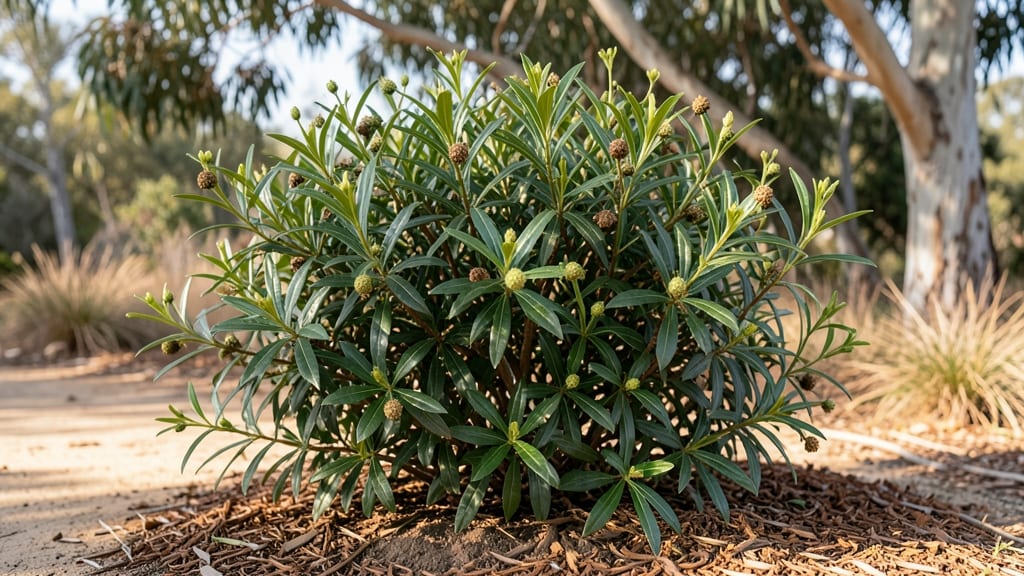
Tucson’s hopseed bush thrives when you prune it right—year-round shape control keeps it lush despite our brutal summers. ✨ I’ve learned the hard way that skipping pruning turns this drought-tolerant shrub into a scraggly mess, but with the right cuts, it stays compact, vibrant, and wildlife-friendly.
The key is timing: light pruning after spring blooms (March-April) removes dead growth, while summer trims (June-July) prevent heat stress. In fall, shape it up before winter rains to encourage new growth—just avoid heavy pruning in winter when it’s dormant.
You’ll end up with a bush that handles Tucson’s 110°F heat and alkaline soil like a champ, plus those striking red berries that hummingbirds adore. The foliage stays silvery-green all year, and with proper pruning, it grows 3-4 feet wide without taking over your landscape.
Works for hedges, borders, or even container plantings—just adjust the shears for your desired shape. Here’s how to keep it looking its best through every season.
📚 In This Guide
- What you need
- Instructions
- Tips and common mistakes
- Wrapping up and next steps
What you need
- ● Pruning shears: Bypass shears (sharp, clean, and sterilized with rubbing alcohol) for clean cuts on small branches.
- ● Loppers: 1 pair (for thicker branches, up to 1.5 inches in diameter—look for bypass or anvil styles with comfortable grips).
- ● Hand pruners: 1 pair (for precision trimming of smaller stems—avoid dull blades to prevent tearing).
- ● Garden gloves: Heavy-duty, cut-resistant (thorns on hopseed bushes can be sneaky!).
- ○ Disposable pruning bags: 2-3 (to collect and dispose of clippings—optional but handy for cleanup).
- ● Hose or water source: For post-pruning hydration (Tucson’s dry air means your bush will thank you!).
- ● Rake or broom: 1 (to clear fallen debris after trimming).
- ● Safety glasses: Protect your eyes from debris (especially if your bush is near a walkway).
- ● Pruning saw: For very thick branches (if your bush has any over 1.5 inches).
- ● Horticultural oil or wound sealant: To treat larger cuts (though hopseed bushes heal quickly!).
- ● Notebook & pen: To jot down notes on growth patterns or pruning schedules.
Step-by-Step instructions for pruning hopseed bush in Tucson’s desert climate
Here’s how I keep my hopseed bushes lush and productive year-round in Tucson’s brutal sun.
✂️ Step 1: Time Your Pruning for Desert Seasons
Tucson’s extreme heat means pruning timing matters more than anywhere else. The best time is late winter to early spring (February-March) when new growth starts but before the 100°F+ summer heat arrives. This gives your bush time to recover before the stress of peak desert temperatures. Avoid pruning in summer—it’s like giving a cactus a haircut in July.
Watch for the first pale green buds along the branches—that’s your cue. These buds signal the plant’s about to burst into growth, and pruning now encourages fuller, bushier shape. I also do a light trim in September to prep for winter dormancy, but nothing aggressive.
✂️ Step 2: Shape for Airflow and Sun Exposure
Hopseed bushes hate crowded branches. Start by removing 1/3 of the oldest wood—look for thick, woody stems that look like gnarled sticks compared to the newer green growth. These old stems produce fewer seeds and attract pests. Cut them back to a healthy outward-facing bud (about 1/4 inch above the bud) using clean, sharp pruners.
Next, thin out any branches growing inward. You want sunlight to reach the center of the bush—this prevents fungal issues and encourages even seed production. Aim for an open vase shape with branches spaced 6-8 inches apart. If you see branches crossing, remove the weaker one at the base. This ensures energy goes where it counts.
✂️ Step 3: Trim for Seed Production and Bushiness
Here’s where it gets fun—pruning to boost seed yield. After shaping, focus on the current season’s growth. Cut back the top 1/3 of each branch to encourage lateral buds to swell. These side buds will grow into more seed-bearing stems. Make cuts just above a leaf node (where leaves attach) at a 45-degree angle—this helps water run off and prevents rot.
Don’t go overboard. If you trim too much, your bush will struggle to recover before summer. I like to leave at least 2/3 of the foliage intact. You’ll know you’ve done it right when you see new green shoots within 2-3 weeks—that’s your plant’s way of saying, “Thanks for the haircut!”
💧 Step 4: Post-Pruning Care for Desert Resilience
After pruning, your hopseed bush needs extra water to recover—deep water once a week for the first month. Desert soil dries fast, and fresh cuts are vulnerable to dehydration. Water at the base, not the leaves, to avoid fungal issues. Mulch with 2-3 inches of organic matter (like compost or wood chips) to retain moisture and protect roots from temperature swings.
Finally, keep an eye out for new growth direction. If shoots start growing toward the shade (like your neighbor’s wall), gently tie them to a small stake to guide them toward sunlight. Desert plants are tough, but they still need light to thrive. Within 6-8 weeks, your bush should look fuller and more vigorous than ever.
Tips & tricks for desert-climate hopseed bush pruning
These practical tricks will help you master pruning your hopseed bush for maximum yield in Tucson’s harsh conditions.
Timing is Everything: The February-March window is non-negotiable for desert pruning. I've learned this the hard way—pruning in summer (when temps hit 100°F+) stresses plants so much they can take months to recover. Watch for those pale green buds as your official signal to start. In Step 1, mark your calendar for September too—this light maintenance helps prepare your bush for winter dormancy without shocking the system.
Tool Technique: Sharp pruners are your best friend, but how you use them matters just as much. In Step 2, when removing 1/3 of oldest wood, make clean cuts at a 45-degree angle just above an outward-facing bud. This prevents water from pooling on the cut surface and reduces disease risk. I keep a small bottle of rubbing alcohol nearby to wipe down pruners between cuts—this prevents spreading any potential pathogens between branches.
Visual Growth Check: After your pruning in Step 3, new growth patterns will tell you if you did it right. Within 2-3 weeks, you should see fresh green shoots emerging from the leaf nodes where you made cuts. If you don't see these within 3 weeks, you might have pruned too aggressively. Remember: the goal is to leave at least 2/3 of foliage intact—this maintains the plant's energy reserves for desert survival.
Desert Watering Wisdom: The first month after pruning is critical for recovery. In Step 4, when I say "deep water once a week," I mean actually soaking the soil until water runs out the bottom of the pot or 6 inches into the ground. Desert soil dries out fast, and fresh cuts need consistent moisture to heal properly. I use a moisture meter to check—when it reads dry at 2 inches down, that's my cue to water again.
Pro Tips for Hopseed Bush Tucson
- These practical tricks will help you master pruning your hopseed bush for maximum yield in Tucson’s harsh conditions.
- Timing is Everything: The February-March window is non-negotiable for desert pruning.
- Tool Technique: Sharp pruners are your best friend, but how you use them matters just as much.
Frequently asked questions
Got questions about pruning your hopseed bush (Dodonaea viscosa) in Tucson’s desert climate? You’re not alone! Here are some of the most common concerns—and straightforward answers—to keep your plant thriving year-round.
When is the best time to prune my hopseed bush in Tucson?
The ideal time is late winter to early spring (February–March), just as new growth begins. This timing avoids stressing the plant during extreme heat or cold. Light pruning can also be done in fall to remove dead or damaged branches, but avoid heavy cuts during monsoon season (July–September) to prevent fungal issues.
How much can I trim back my hopseed bush without harming it?
You can safely remove up to 1/3 of the plant’s total growth in a single session. For mature bushes, focus on shaping by cutting just above a leaf node or bud. Avoid "topping" (cutting the main stem flat)—this can stress the plant. Thin out crowded branches first to improve airflow and sunlight penetration.
Why is my hopseed bush losing leaves after pruning?
This is often normal if you pruned too late in the season (e.g., summer or fall). However, yellowing or wilting leaves may signal over-pruning, disease, or heat stress. If the issue persists, check for powdery mildew (common in Tucson’s humidity swings) and adjust your watering—drought-tolerant plants like hopseed bush prefer deep but infrequent watering.
Can I use the same tools for pruning hopseed bush as I do for my citrus trees?
While you can use the same tools (e.g., bypass pruners, loppers), hopseed bush has harder, woody stems compared to citrus. For thicker branches (>1 inch), a pruning saw is best. Sterilize tools with rubbing alcohol between uses to prevent spreading disease—especially if you switch between plants.
How do I prune a hopseed bush in Tucson’s extreme heat?
If you must prune during summer, do it early in the morning or late evening to avoid shocking the plant. Reduce watering for 3–5 days post-prune to help callus over cuts. For large bushes, space pruning over 2–3 sessions to minimize stress. Mulch lightly with gravel or bark to retain moisture and regulate soil temperature.
Wrapping up and next steps
Pruning your hopseed bush in Tucson’s desert climate doesn’t have to be a seasonal chore—it’s an opportunity to nurture a thriving, resilient plant year-round! 🌵 With the right tools, timing, and techniques, you’ll keep your bush lush, healthy, and perfectly shaped while supporting local wildlife.
Whether you’re trimming for aesthetics, growth control, or even harvesting seeds, consistency is key.
Ready to take the next step? Start small—dedicate just 15 minutes this week to inspect your bush, remove dead branches, and shape it gently. Over time, you’ll build confidence and a routine that keeps your hopseed bush flourishing. Happy pruning! 🌿✂️