
Pruning
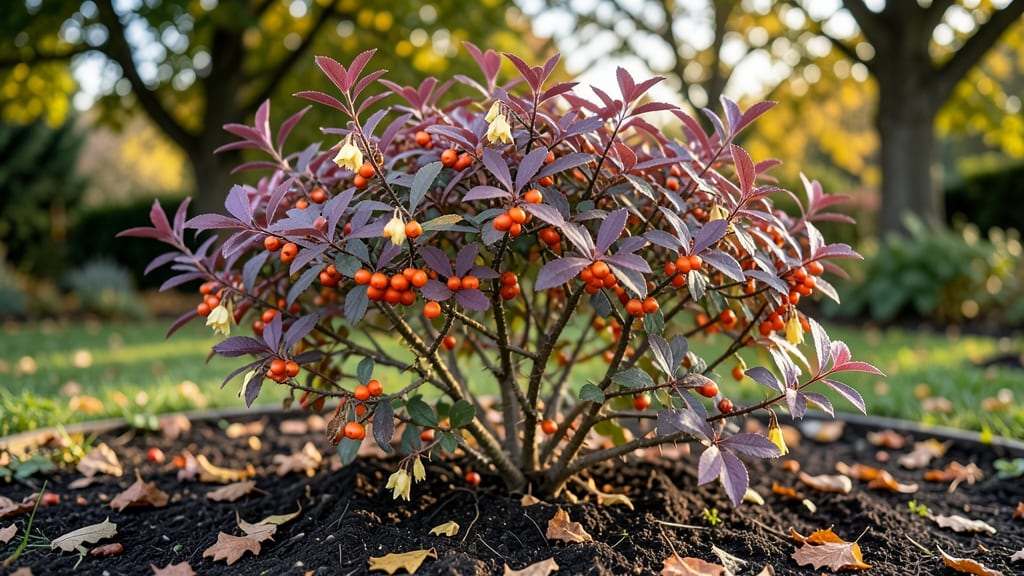
To prune an orange barberry bush effectively, cut back leggy stems in late winter or early spring to maintain shape and encourage lush, vibrant growth, while avoiding excessive trimming that could stress the plant. Always use clean shears and never remove more than one-third of the plant at once.
Pruning your orange barberry bush at the right time is key to keeping it healthy and thriving. 🌿 The late winter or early spring window works best because the plant is dormant, making it more resilient to cutting.
This timing also avoids interfering with the plant's blooming cycle, which typically occurs in late spring or summer. When you prune, focus on removing only the overgrown or leggy stems—this helps the bush stay compact and full, while also improving airflow to prevent disease.
Start by sterilizing your pruning shears with rubbing alcohol to avoid spreading any potential infections. Remove any dead, diseased, or crossing branches first, then thin out crowded areas to let light reach the center of the plant.
I always make my cuts just above a leaf node or bud, which encourages new growth in the right direction. Remember, the goal is to shape the bush without overdoing it—your orange barberry will reward you with vibrant foliage and even more berries if you keep it balanced and healthy.
💡 In This Article
- Best Pruning Timing for Orange Barberry Bushes
- Step-by-Step Orange Barberry Pruning Guide
Best pruning timing for orange barberry bushes
The ideal time to prune your orange barberry bush is during its dormant phase, which occurs in late winter (February-March) or early spring (April) before new growth emerges.
This timing minimizes stress because the plant's energy isn't focused on flowering or fruiting yet. 🌱 During dormancy, the bush's natural defenses are at their strongest, allowing it to recover quickly from cuts.
The goal is to avoid pruning during late spring or summer when the plant is actively blooming or producing berries—this can reduce next year's fruit production and disrupt the bush's natural cycle.
You can identify overgrown stems by looking for branches that are longer than 12-18 inches without foliage or those growing outward at sharp angles, creating a "leggy" appearance. Healthy growth typically shows compact, bushy branches with vibrant orange-red foliage and berries clustered near the ends.
These are signs the plant is thriving and doesn't need aggressive pruning. The key is to make targeted cuts—removing only the stems that disrupt the bush's natural shape or crowd the center, where light and air should circulate freely.
Pruning at the wrong time can have serious consequences. For example, cutting back in late summer or fall forces the plant to produce new growth it can't sustain before winter, weakening it. This is why many gardeners see dieback or stunted growth after improper timing.
The orange barberry's growth cycle is closely tied to temperature shifts—it responds best to the gradual warming of spring, which signals it's safe to focus energy on new shoots and leaves rather than recovery from pruning wounds.
Another critical factor is the plant's age. Younger orange barberry bushes (3-5 years old) need minimal pruning—just removing dead or diseased branches—while mature bushes (5+ years) can handle more shaping.
Mature plants often develop a woody, multi-stemmed structure, so focus on thinning out the oldest stems at the base to encourage younger, more vigorous growth from the center. This rejuvenation technique keeps the bush productive for decades.
What most people don't realize is how the plant's root system responds to pruning timing. When you cut back in dormancy, the roots are already established and can quickly supply the necessary nutrients to new growth.
In contrast, summer pruning forces the roots to work overtime to support both the existing foliage and new shoots, often leading to stress symptoms like yellowing leaves or leaf drop. The root-to-foliage ratio is everything—aim to keep it balanced by pruning when the plant is naturally conserving energy.
For visual cues, watch for the bush's natural growth patterns. Healthy orange barberry branches typically grow at 30-45 degree angles from the main stem, creating a rounded shape. When you see branches growing straight up or outward with sparse leaves, these are prime candidates for removal.
The goal is to maintain that rounded, compact silhouette that makes these bushes so attractive in landscapes. Think of pruning as sculpting—you're not just cutting back, you're guiding the plant's future shape.