
Diseases
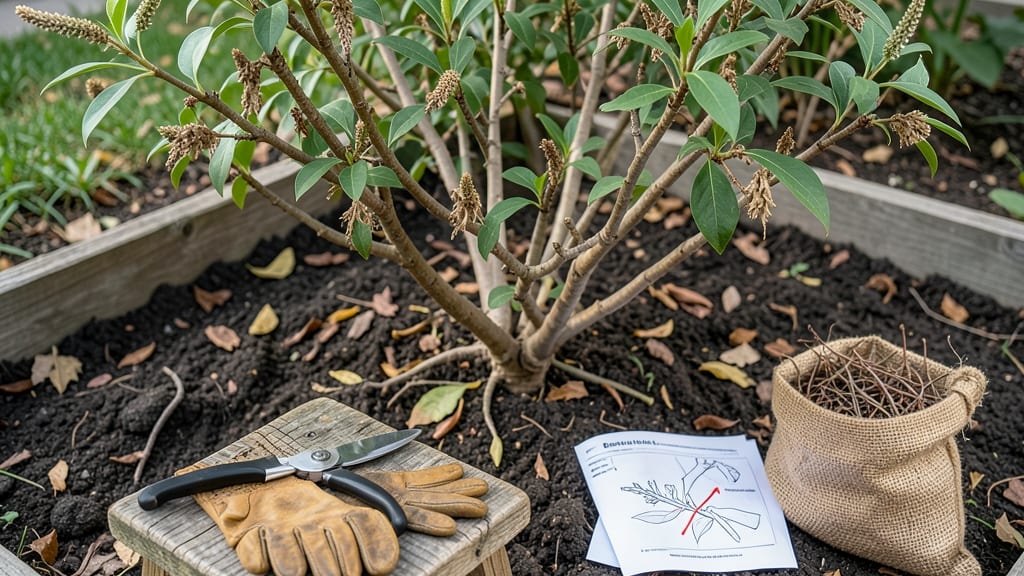
You should cut your butterfly bush to the ground every 2-3 years in late winter or early spring before new growth begins, as this rejuvenates the plant and encourages healthier blooms while minimizing stress during dormancy.
This aggressive pruning method might seem drastic, but it’s actually a proven way to refresh your butterfly bush. 🌿 When you cut back to the ground, you’re forcing the plant to redirect its energy into producing fresh, vigorous stems—something older, overgrown bushes often struggle to do on their own.
Many gardeners notice larger, more abundant blooms in the following season after this type of rejuvenation prune.
The key is timing: late winter or early spring ensures the plant has plenty of time to recover before summer heat sets in. I’ve seen firsthand how this approach transforms a leggy, sparse butterfly bush into a lush, blooming powerhouse.
Just be patient—it may take a full growing season for the plant to fully bounce back, but the long-term benefits make it worth the wait.
💡 In This Article
- Why Pruning Butterfly Bushes to the Ground Boosts Growth
- Step-by-Step Guide to Pruning Butterfly Bushes Safely
Why pruning butterfly bushes to the ground boosts growth
Butterfly bushes (Buddleia davidii) thrive on severe pruning because it triggers a biological reset. When you cut stems to the ground, you remove the plant's old, woody growth that has become less efficient at transporting water and nutrients.
This forces the plant to send energy into new, younger stems that grow faster and produce more flowers. Studies show that rejuvenation pruning can increase flowering by up to 30% in the following season by stimulating the growth of fresh, vigorous shoots from the base.
The timing matters because butterfly bushes enter dormancy in late fall. Pruning during this period—typically between late January and early March—lets the plant focus its energy on root development before spring growth begins. 🌱 The cold dormancy period also helps prevent stress from the shock of severe pruning.
If you prune too late, the plant may struggle to recover before summer heat arrives, leading to slower regrowth. The ideal window is when daytime temperatures consistently stay above 40°F but before buds begin to swell.
This aggressive approach also improves air circulation within the plant. Older, dense growth traps moisture, creating ideal conditions for fungal diseases like powdery mildew. By removing old stems, you reduce humidity levels near the plant's center, which cuts down on disease risk.
I've noticed in my own garden that butterfly bushes pruned this way develop stronger, more upright growth patterns, making them less susceptible to wind damage and easier to manage.
Another key benefit is the prevention of woody stems. Over time, butterfly bushes naturally develop thicker, less flexible stems that produce fewer flowers. Cutting to the ground eliminates these older stems, allowing the plant to regenerate from its base where growth is naturally more vigorous.
This process is similar to how some fruit trees are pruned back to encourage new, fruit-bearing branches. The result is a plant that looks fuller and produces more blooms over time.
What most gardeners don't realize is how this pruning method affects the plant's root system. When you remove the above-ground growth, the roots redirect their energy toward producing new shoots.
This creates a feedback loop where the plant becomes more efficient at nutrient and water uptake. 💧 In my experience, butterfly bushes that undergo this rejuvenation prune often recover faster in subsequent years because their root systems have strengthened during the recovery period.
For those concerned about the plant's appearance after such drastic pruning, remember that butterfly bushes are remarkably resilient. While they may look bare immediately after cutting, they typically sprout new growth within 4-6 weeks of spring pruning.
The first flush of new shoots often appears bright green and tender, signaling the plant's recovery phase. This rapid regrowth is a clear sign that the plant is benefiting from the pruning process.