
Pruning
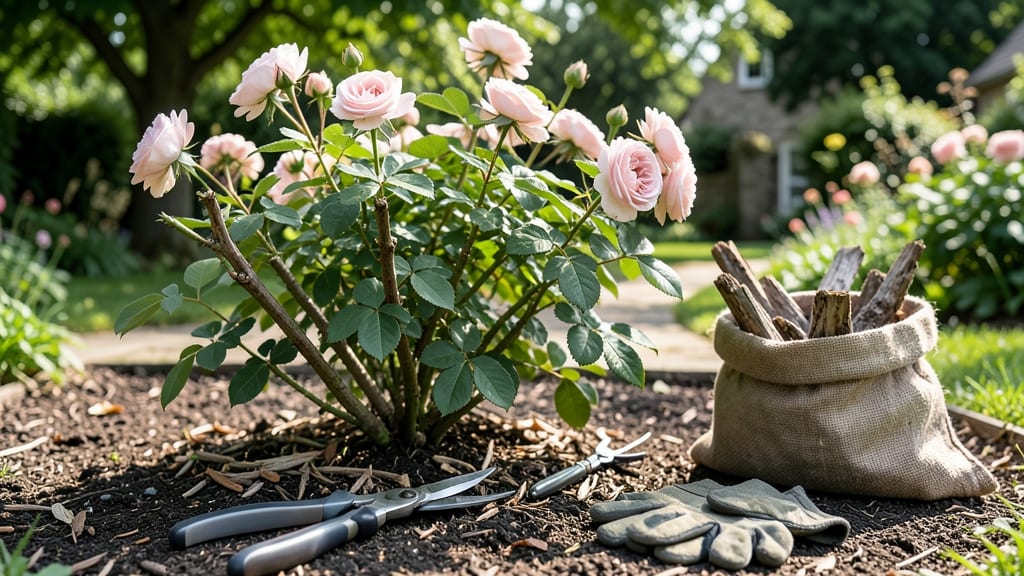
You can cut back rose bushes in spring after the last frost when new growth appears, typically between late March and May depending on your USDA hardiness zone. Trim to an outward-facing bud just above a five-leaflet leaf, avoiding over-pruning to prevent stress or disease.
Spring is the perfect time to refresh your rose bushes, but timing matters. 🌸 The key is waiting until after your area's last frost date—this ensures tender new shoots aren't damaged by cold snaps.
I always check my local USDA zone (I'm in zone 7) and mark my calendar for mid-April, when my hybrid teas start showing fresh growth. The "five-leaflet leaf" rule is crucial: this five-leaf cluster signals where strong stems will emerge, giving your roses the best start.
Over-pruning is a common mistake that weakens roses. Instead of hacking back randomly, aim for a 30-50% reduction of last year's growth—this maintains the bush's structure while encouraging vibrant blooms.
For climbers, I leave 24-36 inches of stem, while hybrid teas benefit from a more aggressive cut to 12-18 inches. Sterilizing your pruners with rubbing alcohol between cuts prevents spreading disease, which is especially important when working with multiple bushes.
The right tools make all the difference. I use bypass pruners for clean cuts and a loppers for thicker stems. Always cut at a 45-degree angle just above the bud to prevent water from pooling—this simple technique reduces fungal risks.
After pruning, I add compost-rich mulch around the base to protect roots and retain moisture during spring's variable weather.
💡 In This Article
- Best Spring Pruning Timeline for Rose Bushes by Zone
- Proper Rose Bush Pruning Height Rules for Healthy Growth
Best spring pruning timeline for rose bushes by zone
Spring pruning timing depends entirely on your USDA hardiness zone and your specific rose variety. In colder zones (3-5), where frost can linger until mid-May, wait until you see 3-4 inches of new growth emerging from the base—this typically happens around late April to early May.
For warmer zones (6-10), you can start as early as February, but avoid pruning before January 31st in southern climates to prevent encouraging early blooms that might get damaged by late frosts.
The science behind this timing involves understanding how roses respond to temperature shifts. Roses enter dormancy when temperatures drop below 40°F, and their growth resumes when soil temperatures reach 55°F.
Pruning too early in cold zones can expose fresh growth to frost damage, while waiting too long risks overgrowth and crowded canes that reduce airflow—critical for preventing fungal diseases like black spot. 🌱 For example, in zone 7, I've found that pruning hybrid teas in mid-April gives them 6-8 weeks of growing season before summer blooming begins.
Different rose types have slightly different ideal windows. Hybrid teas, known for their single blooms on long stems, benefit from early pruning (March-April) to encourage strong stems for their signature showy flowers.
Floribundas, which produce clusters of blooms, can handle pruning 1-2 weeks later since they're more forgiving with their growth patterns. Climbing roses require the most patience—wait until you see 5-6 inches of new growth before pruning, usually late April to May, to maintain their structural integrity.
Local microclimates can shift these timelines by 2-3 weeks. A sheltered garden spot might warm up faster than an exposed one, so monitor your bushes closely. I always test by gently scratching the bark—if green shows beneath, it's safe to prune.
Another trick is to check your local National Weather Service frost predictions; some years, an unexpected late frost can push your pruning window back by 10-14 days. This precision prevents the heartbreak of seeing your carefully pruned roses nipped by frost.
What most gardeners don't realize is that pruning too late can actually reduce your rose's bloom time. For example, if you prune hybrid teas in June instead of spring, you might delay their first blooms until August or September, cutting your flowering season short.
The goal is to strike a balance: give your roses enough time to establish new growth before summer heat arrives, but not so late that you miss the optimal 6-8 week growing window before peak blooming season.
Consider these zone-specific guidelines for reference:
- Zones 3-5: Prune in late April to early May after last frost when new growth appears
- Zones 6-7: Ideal window is mid-April to early May, adjusting for local frost dates
- Zones 8-10: Can prune as early as February but avoid before January 31st
Remember that these are general guidelines—your specific location's microclimate may require adjustments. Always observe your bushes' growth patterns rather than relying solely on calendar dates. 🌿