
How To
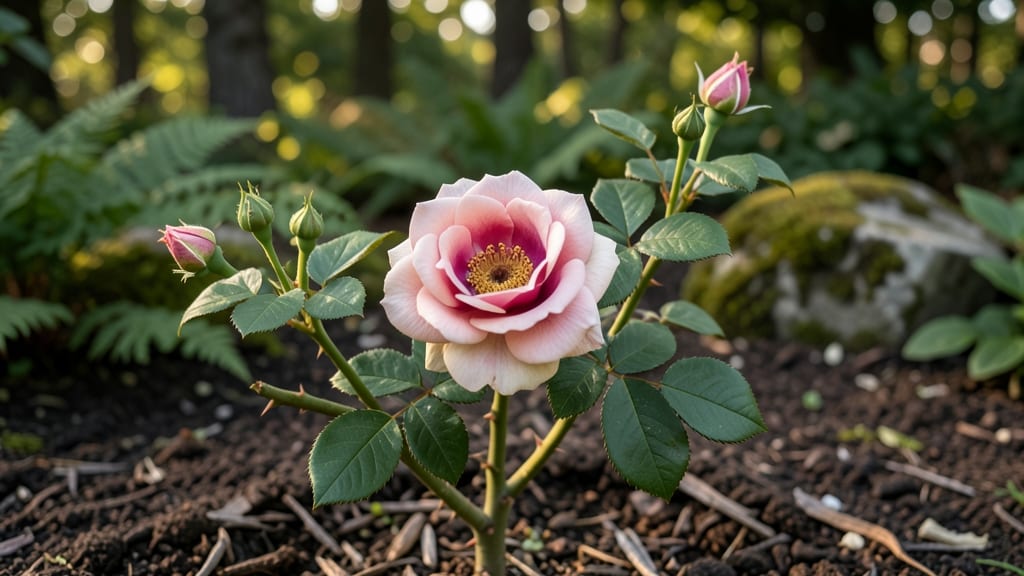
Rose bushes bloom for anywhere from a few weeks to nearly all summer, depending on the variety and care you give them 🌹 — but most gardeners miss the secret to extending that color.
Wondering why your rose bushes seem to fade so quickly? The blooming duration of roses varies dramatically by type—and knowing these timelines can help you plan for year-round color and maximize your garden’s beauty.
Some roses, like hybrid teas, put on a spectacular show for just 2-3 weeks before needing a break, while others, such as floribundas or Knock Out® roses, can keep blooming for months with the right care.
In this guide, I’ll break down exactly how long each type stays in flower, the key factors that cut blooms short, and the simple tricks to keep your roses looking fresh all season.
Rose blooming seasons: how long each variety stays in flower
If you've ever wondered why your rose bushes put on a spectacular show for a few weeks then fade into green foliage, you're not alone.
The truth is, bloom duration varies wildly between rose types—and understanding these differences is key to planning a garden that stays vibrant from spring to frost. Some roses bloom just once a year in a dazzling burst, while others reward you with continuous flowers for months.
Let's break down the blooming seasons of the most popular rose varieties so you can choose plants that align with your garden vision.
The length of bloom depends on whether a rose is a once-blooming variety or a repeat-flowering type. Once-bloomers, like many old garden roses, put all their energy into one spectacular show, often in spring or early summer.
Repeat-flowering roses, on the other hand, produce multiple flushes of blooms throughout the growing season with proper care. Knowing these patterns helps you select roses that will keep your garden colorful for longer periods.
Here’s how different rose types stack up in terms of bloom duration, including their seasonal expectations and reblooming habits:
Hybrid teas are the classic cutting roses many gardeners love, but their bloom duration is typically 4-6 weeks per flush. With proper deadheading and care, they can rebloom 3-5 times per year, making them ideal for gardeners who want a mix of showstopper blooms and extended color. These roses thrive with consistent morning sunlight and regular watering to keep their blooms vibrant.
Floribundas, on the other hand, are the workhorse roses of the garden. Their clustered blooms last 6-8 weeks per flush, and they often produce 4-6 flushes annually with minimal effort. This makes them perfect for borders and mass plantings where you want a longer-lasting display. Their low-maintenance nature is a huge plus for busy gardeners.
If you're dreaming of a vertical garden, climbing roses are a stunning choice, though their bloom duration is slightly shorter—3-5 weeks per flush. However
Why some roses bloom longer than others: key factors affecting duration
If you’ve ever wondered why your hybrid tea roses bloom for weeks while your old garden roses fade quickly, the answer lies in their biology and care. Some roses are genetically programmed for longer bloom cycles, but environmental factors and cultural practices play a huge role too.
Understanding these elements can help you extend your roses’ flowering season naturally.
The sunlight exposure your roses receive directly impacts bloom duration. Most roses thrive with 6-8 hours of direct sunlight daily, but varieties like Knock Out roses can tolerate partial shade while still producing abundant blooms.
Too little light weakens stems and reduces flowering, while excessive heat can cause buds to drop prematurely.
Here’s what science tells us about the key factors influencing bloom length:
One of the most effective ways to extend blooming is through proper pruning. I recommend pruning in early spring to remove dead or crossing branches and shaping the bush for airflow.
For repeat-blooming roses, deadhead faded blooms regularly to redirect energy into new buds. This simple step can add 3-6 weeks to your bloom season.
Soil health is another critical factor. Roses need organic matter-rich soil to thrive. Amend your soil with compost or aged manure before planting, and top-dress annually with balanced fertilizer (10-10-10).
Healthy roots mean more energy for vibrant, long-lasting blooms. In my garden, I’ve seen Earth Song roses bloom nearly continuously when given these conditions.
Finally, choosing the right rose varieties for your climate makes a world of difference. Climbing roses like ‘New Dawn’ often bloom longer than shrub varieties, while disease-resistant hybrids (e.g., ‘Dr. Huey’) handle stress better, prolonging their display.
Pairing the right variety with optimal care can turn a 6-week bloom season into a 5-month spectacle.
With the right balance of sunlight, pruning, soil health, and variety selection, you can transform your rose bushes into year-round bloomers—or at least extend their peak season dramatically. Start with one or two adjustments this season, and watch your roses reward you with longer, more abundant blooms! 🌹