
Pruning
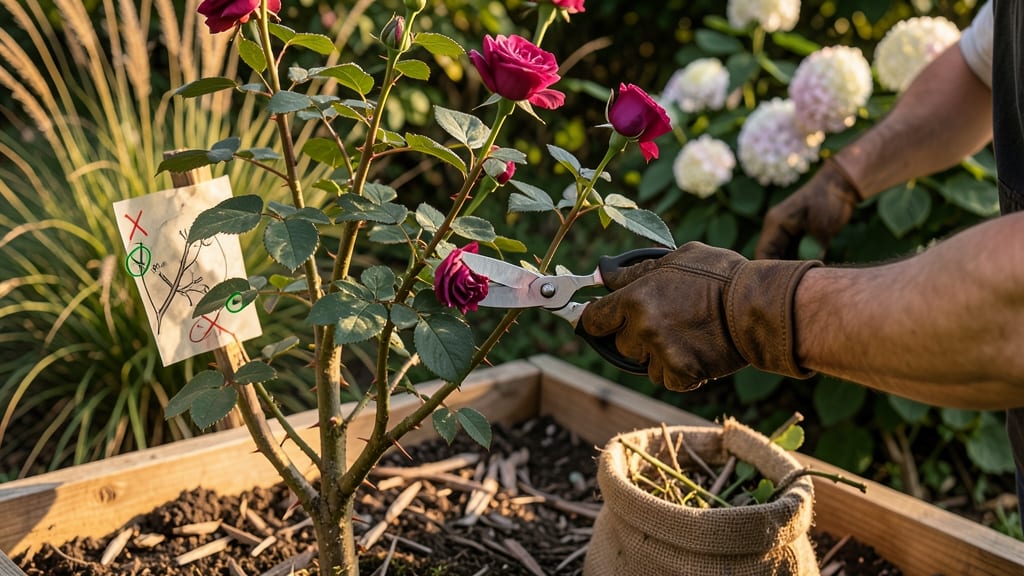
Rose bush pruning tips transform your garden from a tangle of thorns to a fragrant, blooming masterpiece. ✂️ I’ve spent years perfecting my approach—what works (and what doesn’t)—so you can skip the guesswork and get straight to the results: longer blooms, stronger stems, and fewer pests. The key is timing, technique, and knowing which cuts to make (and which to avoid).
Most roses need a late-winter or early-spring trim, right before new growth starts. Grab your pruners, gloves, and a bucket for clippings, then focus on three goals: removing dead wood, opening the center for airflow, and shaping the bush to encourage upward growth.
Skip the "haircut" approach—every cut should have a purpose, not just look neat.
After pruning, your roses will reward you with new shoots within weeks, followed by a flush of blooms that lasts all season. The secret? Cut at a 45-degree angle just above an outward-facing bud, and never leave stubs.
Even black-thumb gardeners can master this—once you know the rules, it’s impossible to mess up.
Works for hybrid teas, floribundas, and climbing roses alike. Let’s get those shears sharp and those canes trimmed—your blooms will thank you.
📚 In This Guide
- What you need
- Instructions
- Tips and common mistakes
- Wrapping up and next steps
What you need
- ● Bypass pruners: A sharp pair (like Felco F-2 or Bypass Pruners by Corona) for clean cuts on stems up to ½ inch thick.
- ● Loppers: For thicker branches (½ to 1½ inches), opt for long-handled loppers (e.g., Fiskars PowerGearLopper) for leverage.
- ● Pruning saw: A curved-tooth pruning saw for stubborn, woody stems over 1½ inches in diameter.
- ● Disinfectant: Rubbing alcohol (70% isopropyl) or a pruning sealant (like Tanglefoot Pruning Seal) to sterilize tools and prevent disease spread.
- ● Garden gloves: Heavy-duty, cut-resistant gloves (e.g., Wolverine Waffle Grip) to protect your hands from thorns and debris.
- ○ Garden twine or zip ties: To secure large branches during pruning (optional but helpful for stability).
- ● Hand lens or magnifying glass: For inspecting buds and small details up close.
- ● Pruning shears for roses: Specialized rose-specific pruners (e.g., Wecker 7800) for precision cuts.
- ● Wheelbarrow or bucket: To collect and dispose of pruned branches easily.
- ● Marking spray or tape: To tag branches for future reference (great for hybrid teas or grafted roses).
- ● Safety glasses: If working with large, heavy branches or in windy conditions.
Step-by-step guide to pruning roses for peak health and blooms
Pruning roses might seem intimidating, but mastering these seasonal cuts transforms your bushes into blooming powerhouses.
✂️ Step 1: Prune in Late Winter for Spring Growth
Wait until your area's last frost date has passed, but before buds swell—typically February or March. This timing balances dormancy and new growth. Start by removing any dead, diseased, or crossing branches first; these compete with healthy growth and invite pests. I always cut back to an outward-facing bud to encourage outward growth rather than inward.
For hybrid teas, cut back 1/3 of last year's growth—look for the first set of five-leaflet leaves from the base. Floribundas and grandifloras need slightly less aggressive pruning, about 1/4 of last year's stems. Make cuts at a 45-degree angle, about 1/4 inch above an outward-facing bud. This angle prevents water from pooling on the cut.
✂️ Step 2: Summer Pruning to Encourage Continuous Blooms
After the first flush of blooms, give your roses a light trim in June or July to promote another round of flowers. Remove spent blooms by cutting just above the first set of five leaves below the bloom—this is where new flower buds form. I never cut more than 1/3 of the plant's height in summer; aggressive pruning now stresses roses and reduces fall blooms.
Watch for suckers—those vigorous shoots growing from the base or below the graft. These sap all energy from your main plant. Snip them off at the base immediately. You'll also spot weak, leggy stems that never bloom; these are candidates for removal. Thin crowded canes to improve air circulation—3-5 inches apart between stems is ideal for most rose varieties.
✂️ Step 3: Light Fall Pruning for Winter Preparation
After your final bloom cycle in September or October, give roses one last light trim. Remove any remaining dead or diseased wood, but avoid heavy pruning now—roses need all their energy to harden off for winter. Cut back any stems that grew too leggy during summer, but leave at least 3-4 buds on each remaining stem.
This late-season pruning clears out debris that could harbor fungal spores over winter. I always clean my pruners with rubbing alcohol between cuts to prevent spreading disease. Leave the pruned stems on the ground—compost them later or burn them if disease was present. Mulch heavily around the base with 2-3 inches of organic mulch to protect roots from freezing temperatures.
✂️ Step 4: Post-Bloom Maintenance for Next Season
Throughout the growing season, keep an eye out for leaf diseases like black spot or powdery mildew. Prune out affected leaves immediately and dispose of them in the trash—not the compost. Healthy roses develop 5-leaflet leaves—if you see more than 7 leaflets on a stem, it's likely a sucker and should be removed.
I always sharpen my pruners before each pruning session—dull blades tear stems and invite infection. Store pruners in a dry place and oil them occasionally to prevent rust. By next winter, you'll have a well-shaped rose bush with strong canes ready for another round of seasonal pruning.
Tips & tricks for perfect rose bush pruning
Here's what nobody tells you about transforming your roses into thriving, blooming beauties—these are the secrets that separate good pruning from great results.
Timing is Everything: The February/March window for late winter pruning is non-negotiable for hybrid teas and floribundas. I learned this the hard way—pruning too early risks frost damage, while waiting too long lets buds swell before you can shape growth. Check your local frost dates and mark your calendar! For summer pruning in June/July, time it right after the first bloom cycle when you can clearly identify spent blooms versus new buds forming.
The 45-Degree Angle Secret: That angled cut you're making isn't just for looks—it's a water management system. The sloped surface prevents water from pooling on the cut, which would otherwise invite rot or fungal infections. I always visualize a smile when making these cuts: the bottom of the "smile" sits just above the outward-facing bud, while the top of the "smile" slopes away from the stem. This simple technique can extend your roses' lifespan by years.
Bud Identification Made Easy: Those five-leaflet leaves aren't just for show—they're your roadmap. When pruning hybrid teas, count up from the base until you find the first set of five leaves, then cut just above that. For floribundas, you'll see the same pattern but with slightly less aggressive pruning. Pro tip: Use a magnifying glass if needed—sometimes the buds are tiny but critical for next season's blooms. I keep a small loupe in my gardening toolkit specifically for this purpose.
Disease Prevention Protocol: Cleaning your pruners with rubbing alcohol between cuts isn't just good practice—it's essential. I carry a small bottle of 70% isopropyl alcohol in my gardening apron and wipe down blades after every 3-5 cuts, especially when dealing with diseased wood. The 2-3 inches of organic mulch you apply in fall isn't just for insulation—it creates a physical barrier that prevents fungal spores from splashing up onto your roses during rain. Think of it as your roses' winter immune system booster.
Pro Tips for Rose Bush Pruning Tips
- Here's what nobody tells you about transforming your roses into thriving, blooming beauties—these are the secrets that separate good pruning from great results.
- Timing is Everything: The February/March window for late winter pruning is non-negotiable for hybrid teas and floribundas.
- The 45-Degree Angle Secret: That angled cut you're making isn't just for looks—it's a water management system.
Frequently asked questions
Got questions about pruning your roses? You’re not alone—even seasoned gardeners need a refresher now and then! Here are some of the most common concerns, answered in plain terms to help you prune like a pro.
When is the best time to prune my rose bushes?
The ideal time depends on your climate and rose type. For most roses, late winter or early spring (just before new growth starts) is best. In warmer regions, you can prune lightly after the first big bloom. Never prune in fall—it invites disease and weakens winter hardiness.
What if I prune at the wrong time?
Pruning too early (like mid-winter) can shock the plant, while late pruning (summer/fall) may encourage tender growth that won’t survive frost. If you’ve already missed the window, focus on removing dead or diseased wood anytime—just avoid heavy cuts.
Can I prune roses in summer?
Yes, but lightly! After the first flush of blooms, trim spent flowers (deadheading) to encourage more blooms. Avoid drastic cuts—stick to removing 1/3 of the plant’s height max. This keeps roses healthy without stressing them.
What if my roses bleed sap after pruning?
That sticky red ooze? It’s called “rose sap” or “rose milk,” and it’s normal! It won’t harm your plant—just wipe it off your tools. To minimize it, prune on a dry day and avoid cutting into wet wood.
How do I prune hybrid tea roses differently?
Hybrid teas need clean, angled cuts just above an outward-facing bud (about ¼ inch above). Remove about ⅓ of the plant’s height, focusing on old wood and crossing branches. Unlike floribundas, avoid heavy heading—they bloom on new growth!
What if my roses look sad after pruning?
Don’t panic! Roses often look bare post-prune but bounce back fast. Water deeply, mulch to retain moisture, and fertilize lightly with rose-specific food. Yellow leaves? Check for over-pruning or pests. Give it 2–3 weeks to recover!
Wrapping up and next steps
Pruning your rose bushes doesn’t have to be intimidating—it’s all about timing, technique, and a little patience! 🌹 By following seasonal guidelines and keeping your tools sharp, you’ll encourage longer blooms, stronger growth, and fewer pests. Remember, healthy roses reward you with stunning flowers year after year.
Ready to transform your garden? Grab your pruners and give it a try—your roses (and your future self) will thank you! For extra confidence, watch a quick video tutorial or join a local gardening group to learn from fellow enthusiasts.