
Pruning
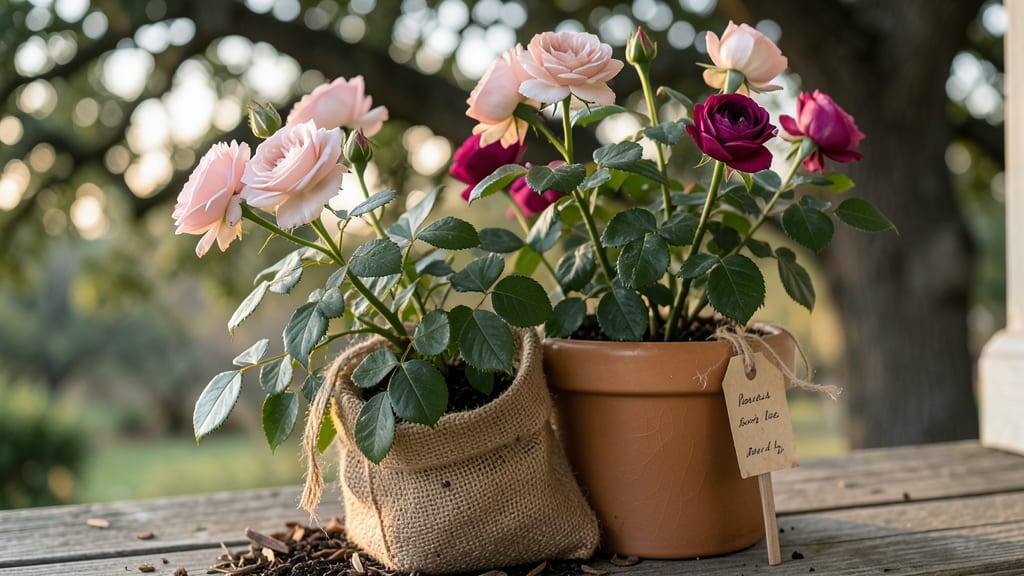
Gifting a pruned rose bush isn’t just about flowers—it’s about giving someone a living masterpiece that keeps blooming all season. 🌹 I’ve learned the hard way that a well-pruned rose isn’t just pretty; it’s the gift that keeps giving, with fewer pests, stronger growth, and bold, repeat blooms for months.
The secret? Prune before gifting—cut back by one-third in early spring, shape the bush, and remove dead wood. Wrap the pot in burlap or kraft paper for rustic charm, and add a handwritten note with care instructions.
Pair it with a small pruning shears set or a packet of rose companion plants (like lavender or thyme) for extra thoughtfulness. What you’re really giving is year-round beauty—imagine the recipient’s delight when their rose bush bursts into color in spring, then again in fall.
The pruned shape stays tidy, the blooms are bigger, and the plant thrives with less fuss. It’s the gift that says, “I thought of you, even in the quiet seasons.” Perfect for Mother’s Day, anniversaries, or just because.
The key is making it feel special—like a tiny, living piece of your garden’s love.
📚 In This Guide
- What you need
- Instructions
- Tips and common mistakes
- Wrapping up and next steps
What you need
- ● Pruning shears or secateurs – Sharp, bypass-style shears (2-3 pairs, depending on bush size) to make clean cuts.
- ● Garden gloves – Heavy-duty, cut-resistant gloves (1 pair) for protection.
- ● Disinfectant (70% isopropyl alcohol or bleach solution) – To sterilize tools between cuts (small bottle or spray).
- ○ Rake or pruning saw – For larger branches (optional but helpful for thick stems).
- ○ Pruning sealant (optional but recommended) – To prevent disease on larger cuts (small tube).
- ● Garden twine or zip ties – For supporting weak stems (small roll).
- ● Hand pruners (for small stems) – A backup pair for precision work.
- ● Loppers – For medium-sized branches (1 pair).
- ● Garden hose or bucket – To clean tools and rinse cuts.
- ● Sharpie or marker – For labeling cuts (if training new growth).
- ● Compost bag – To dispose of pruned branches (1-2 large bags).
- ● Check the rose variety—some (like climbers) need different pruning styles!
- ● Pick a dry, sunny day to minimize stress on the plant.
- ● Have a clear plan—sketch or note where cuts should go.
How to prune a rose bush for year-round gifts of beauty
Give your roses the pruning care they deserve—this method keeps them lush, blooming, and perfect for gifting.
✂️ Step 1: Prune in Late Winter for Strong New Growth
Wait until your last frost date has passed, but before buds swell—usually mid-to-late February in most climates. This is the best time to shape your rose bush for the season ahead. Grab your pruners and start by removing any dead, diseased, or crossing branches. I like to cut these out first because they compete with healthy growth.
Make clean cuts at a 45-degree angle, about ¼ inch above an outward-facing bud. This encourages new growth to spread outward, not inward. You'll see the buds—those little bumps on the stem—clearly marked. Cutting above them ensures the branch grows in the right direction for better airflow and sunlight penetration.
☀️ Step 2: Thin Out Crowded Branches for Better Airflow
Next, focus on thinning the center of the bush. Roses need good airflow to stay healthy and resist diseases like black spot. Look for branches that are rubbing against each other or growing straight into the center. These should be cut back to the base. You're aiming for an open, vase-like shape that lets light and air move freely through the plant.
Don't worry if it looks a little sparse right now—this is actually a good thing. Once you see new growth in spring, you'll notice how much more vibrant and full the bush becomes. I usually thin about 30% of the oldest wood to make room for younger, more productive branches.
🌿 Step 3: Encourage Blooms by Cutting Back Flowering Stems
After the initial shaping, move on to the flowering stems. For hybrid teas and grandifloras, cut back the spent blooms to just above a set of five healthy leaves. This encourages the bush to produce more side shoots, which will turn into new blooms. For floribundas and shrub roses, you can be a bit more aggressive—cut back to just above a strong outward-facing bud.
Here's the thing—if you leave old flower stems, the plant will focus its energy on producing seeds instead of new blooms. You'll see the difference within weeks. I always make sure to sterilize my pruners with rubbing alcohol between cuts to prevent spreading any potential diseases.
⏰ Step 4: Summer Maintenance to Keep Roses Blooming
Throughout the growing season, keep an eye out for any suckers—those shoots that grow from the base of the plant or the graft union. These should be removed immediately to redirect the plant's energy to the main structure. Also, prune back any branches that have finished blooming to encourage a second flush of flowers.
In late summer, give your roses a light trim to remove any deadheading that might have been missed. This is also a good time to check for any branches that are growing too long or leggy. Cut these back by about ⅓ to keep the bush compact and encourage bushier growth. You'll notice the plant responds quickly with new, vigorous shoots.
🪴 Step 5: Fall Cleanup for Winter Preparation
As the temperatures drop and the roses go dormant, do a final cleanup. Remove any remaining dead or diseased branches, and cut back the remaining stems by about half their height. This helps the plant conserve energy over the winter months. Mulch around the base of the plant with about 2-3 inches of organic mulch to protect the roots from freezing temperatures.
This is also a great time to fertilize lightly with a slow-release rose fertilizer. It gives the roots a boost for next year's growth. By the time spring rolls around, you'll have a beautifully shaped rose bush ready to burst into bloom—perfect for gifting to friends and family.
Tips & tricks for perfect rose bush pruning
These simple strategies will help you transform your rose bush into a stunning, year-round gift of beauty with minimal effort.
Timing is Everything: The mid-to-late February window is critical for healthy new growth. Check your local last frost date—pruning too early can expose tender new shoots to frost damage, while waiting too long lets buds swell and makes cuts less effective. I always mark my calendar with my local frost date to stay on schedule.
Cutting Technique Matters: That 45-degree angle isn't just for looks—it helps water run off the cut and prevents rot. When cutting above an outward-facing bud, make sure you can see at least 3-4 healthy buds below your cut point. This ensures you're directing growth outward where it gets maximum sunlight and airflow. I like to practice on a few branches first to get the feel right.
Pruning Tools Tip: Invest in a good pair of bypass pruners—they make clean cuts that heal faster than jagged cuts from anvil pruners. I keep rubbing alcohol handy to sterilize my tools between cuts, especially when dealing with diseased branches. This simple step prevents spreading fungal spores to healthy parts of the plant.
Seasonal Maintenance Strategy: The summer maintenance steps (removing suckers and leggy branches) might seem minor, but they're what keeps your roses blooming continuously. I set a monthly reminder to check for suckers—these little shoots steal energy from your main blooms. Cutting back leggy branches by ⅓ actually triggers bushier growth, so you end up with more flowers overall.
Pro Tips for Rose Bush Gift
- These simple strategies will help you transform your rose bush into a stunning, year-round gift of beauty with minimal effort.
- Timing is Everything: The mid-to-late February window is critical for healthy new growth.
- Cutting Technique Matters: That 45-degree angle isn't just for looks—it helps water run off the cut and prevents rot.
Frequently asked questions
Got questions about giving a rose bush pruning gift? You’re not alone! Here are some of the most common queries—and their simple solutions—to help you make the most of this thoughtful gesture.
When is the best time to prune a rose bush as a gift?
The ideal timing depends on your climate and the rose type. For most roses, late winter or early spring (just before new growth starts) is perfect. If gifting a potted rose, prune lightly in early fall to encourage blooms next season. Avoid pruning in extreme heat or cold.
What if I don’t have pruning tools? Can I still give this gift?
Pair your rose bush with a pruning gift set—include bypass pruners, sharp shears, gloves, and a small bottle of pruning sealant. For a budget-friendly option, add a DIY pruning guide (a printed checklist or video link) to help the recipient get started.
How do I know if the rose bush is healthy enough to prune and gift?
Check for vibrant green leaves, few dead branches, and no signs of pests/disease (like black spots or powdery mildew). If the bush is struggling, skip pruning and focus on reviving it with fertilizer or water first. A healthy rose = a happier recipient!
Can I gift a rose bush that’s already been pruned?
Yes! A pre-pruned rose bush is a great gift—it’s ready for planting and looks neat. Just ensure the cuts are clean (no jagged edges) and seal larger wounds with pruning sealant. Add a care card with tips on repotting or planting for extra thoughtfulness.
What if the recipient lives in a cold climate? How do I protect their rose bush?
For cold-hardy roses, mulch the base with 3–4 inches of organic mulch (like straw or wood chips) after pruning. Wrap the bush in burlap or use a frost cloth for extra protection. Include a note: “Give it a cozy winter hug!”
Still unsure? Drop your question in the comments—we’re happy to help turn your rose bush gift into a thriving success!
Wrapping up and next steps
A rose bush pruning gift isn’t just about trimming—it’s about unlocking a year-round spectacle of blooms and health for your garden. By mastering strategic cuts, you’ll transform a simple task into a lifelong reward, saving time, money, and effort while keeping your roses thriving.
Whether you’re a pruning pro or a curious beginner, every snip is a step toward a more vibrant, low-maintenance garden.
Ready to elevate your gardening game? Grab your shears, dust off that guide, and start pruning like a pro today—your roses (and future self) will thank you! 🌹✂️