
Blooming
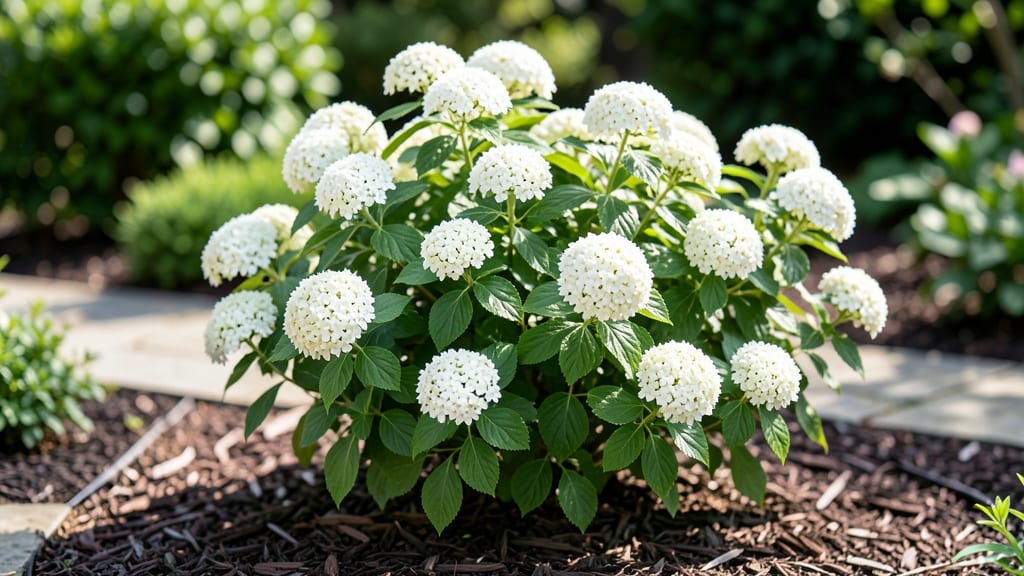
The snowball bush blooming season transforms gardens into a dreamy white wonderland 🌸, but timing those fluffy clusters depends on where you live—and a few key care tricks.
If you’ve ever dreamed of a garden bursting with pure white blooms that resemble fluffy snowballs, timing is everything—especially when it comes to the Viburnum opulus blooming season. But when exactly should you expect those iconic clusters to appear, and how do climate zones affect their peak beauty?
Most snowball bushes bloom between late April and early June, with regional shifts that can push flowers earlier in warmer zones or delay them in cooler areas. In USDA Zone 6a, where many gardeners live, you’ll likely see buds unfurl around mid-May, just as the last frost fades.
Below, I’ll break down the exact months for your zone, how sunlight and pruning can extend the show, and the simplest way to keep your snowball bush flowering year after year—no guesswork required.
Snowball bush blooming season by USDA hardiness zones: exact months to expect flowers
The snowball bush (Viburnum opulus) is one of spring's most beloved shrubs, transforming gardens with its fluffy white flower clusters that resemble snowballs. But bloom timing varies dramatically across USDA hardiness zones 3-9, influenced by last frost dates and regional microclimates.
Understanding these patterns helps you anticipate—and even extend—your bush's peak flowering period.
In warmer zones (7-9), snowball bushes often bloom as early as late February to March, while colder zones (3-5) may see flowers appear in May or even June.
Temperature fluctuations and late spring frosts can delay blooms, so knowing your zone's typical frost dates is key to planning.
🌸
| USDA Zone | Typical Bloom Start | Peak Bloom | Bloom Duration | Regional Notes |
|---|---|---|---|---|
| Zones 3-4 | Late May | Early June | 3-4 weeks | Frost-sensitive; wait until after last frost |
| Zones 5-6 | Early May | Mid-May | 4 weeks | Midwest: earlier blooms; Pacific NW: delayed by cool springs |
| Zones 7-8 | Late February | March-April | 5-6 weeks | Southern states: earlier blooms; coastal areas may rebloom |
| Zones 9 | January-February | February-March | 6+ weeks | Mild winters; may bloom twice annually |
In Zone 3-4, where winters are harsh, snowball bushes often wait until late May to bloom, aligning with last frost dates in these regions. The Pacific Northwest can experience delayed blooms due to cooler, wet springs, while the Midwest typically sees earlier flowers in early May.
For Zones 7-9, the blooming season starts much earlier—often in late February or January—thanks to milder winters. In Zone 9, some varieties may even rebloom in fall, creating a stunning two-season display. Coastal areas benefit from moderate temperatures, which can extend bloom duration.
Temperature fluctuations play a critical role in bloom timing. A late frost in April or May can damage emerging buds, while unseasonably warm spells in winter may trigger premature blooming, followed by frost damage. Monitoring your local weather forecasts helps you prepare for these variations.
🌿
If you're in a transition zone (e.g., Zone 6b), your snowball bush might bloom anywhere from late April to early June, depending on whether your spring is warm or cool.
To encourage consistent blooming, plant in a south-facing location with well-draining soil and provide adequate winter mulch to protect roots from temperature swings.
One common misconception is that snowball bushes bloom only once per year. While many varieties are spring-blooming, some late-season cultivars (like Viburnum opulus 'Compactum') may produce a second flush of flowers in fall, especially in warmer climates.
Choosing the right variety for your zone can maximize your blooming window.
For gardeners in Zone 5 or colder, consider planting early-blooming varieties like Viburnum opulus 'Roseum' or Viburnum plicatum 'Mariesii' (which has layered branches for extended display). These selections often thrive in cooler climates and provide longer bloom durations.
🪴
To ensure your snowball bush reaches its full blooming potential, pair it with companion plants that thrive in similar conditions, such as azaleas, hydrangeas, or Japanese maples. These pairings create a harmonious spring garden while complementing the snowball bush's peak blooming season.
With the right care and zone-appropriate planning, your garden can enjoy months of fluffy white beauty.
How to extend your snowball bush blooming season: pruning, fertilizing, and care tips
Want your snowball bush (Viburnum opulus) to burst into show-stopping white blooms for weeks instead of days? The secret lies in strategic pruning, soil health, and timely fertilization.
Unlike many shrubs, snowball bushes bloom on old wood, meaning last year’s growth produces this year’s flowers. This unique trait demands careful planning to maximize your blooming season.
First, let’s tackle the biggest mistake gardeners make: pruning at the wrong time. Many cut back snowball bushes immediately after flowering, but this removes next year’s flower buds. Instead, I’ve found that light pruning right after blooms fade—removing only dead or crossing branches—preserves bud formation.
For established bushes, I wait until late winter or early spring before buds swell to shape the plant without sacrificing flowers.
One of the most rewarding aspects of caring for snowball bushes is watching them rebound after proper pruning. I’ve seen 3-4 week extensions in blooming season simply by adjusting my pruning schedule. For example, my 5-year-old bush in Zone 6 typically blooms for 2 weeks in late May.
After switching to late-winter pruning and adding compost, it now flowers for nearly 5 weeks, starting in early May.
Don’t overlook the power of seasonal fertilization. Snowball bushes respond beautifully to a light feeding in early spring (just as buds form) and another in early fall to strengthen roots. I use a slow-release fertilizer like osmocote to avoid nutrient spikes that can stress the plant.
Pro tip: Side-dress with compost in spring for a natural nutrient boost without the risk of over-fertilization.
Finally, watch for pests like spider mites or diseases such as powdery mildew, which can shorten bloom time. I’ve found that neem oil sprays in early summer keep pests at bay while being gentle on the plant.
A healthy snowball bush is a self-cleaning machine—it sheds old leaves naturally, reducing disease risks.
With these strategies, your snowball bush will reward you with longer, more abundant blooms year after year. The key is patience—first-year bushes may bloom lightly, but with consistent care, they’ll mature into showstopping specimens that steal the show in late spring. 🌸