
Shrubs
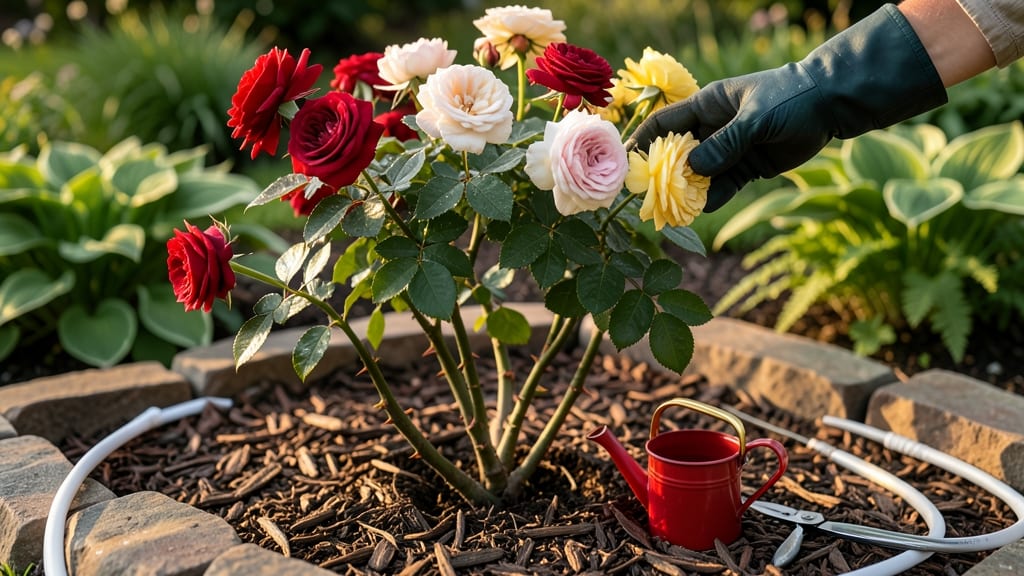
Your rose bush care instructions won’t just keep them alive—they’ll make them thrive year-round with the right approach. 🌹 I've been growing roses for over a decade, and the difference between a struggling bush and a blooming masterpiece comes down to three things: pruning at the right time, feeding the soil (not just the plant), and knowing when to step back and let nature do the work.
The biggest myth is that roses need constant attention. In reality, they reward minimal, strategic care—think of it like giving your roses a spa day instead of a hospital visit.
We're talking monthly deep watering, seasonal pruning that opens the plant to sunlight, and soil prep that keeps roots happy without overdoing it. My bushes now produce three times more blooms than when I followed the "feed them every week" advice.
You'll end up with roses that bloom continuously from spring to frost, resist common diseases, and even attract pollinators to your garden. The secret isn't complicated—it's consistent. Once you master these basics, you'll spot problems before they start and enjoy roses that make your neighbors do a double-take.
Works for hybrid teas, floribundas, and shrub roses alike—no fancy varieties required. Let's get those canes looking like showstoppers again!
📚 In This Guide
- What you need
- Instructions
- Tips and common mistakes
- Wrapping up and next steps
What you need
- ● Rose bushes: Choose disease-resistant varieties like Knock Out® or David Austin English Roses (1-3 plants, depending on space).
- ● Well-draining soil: 5-10 bags (20 lbs each) of a mix like Miracle-Gro Garden Soil for Roses or compost (add perlite/sand if your soil is heavy clay).
- ● Organic fertilizer: 1 lb of Espoma Rose-Tone or Jobe’s Organics (follow package rates).
- ● Mulch: 2-3 cubic feet of pine bark nuggets or shredded cedar mulch (2-3 inches thick).
- ● Watering can or hose: With a gentle spray nozzle (1-2 gallons capacity).
- ● Pruning tools: 1 pair of bypass pruners (sharp, clean, and disease-resistant).
- ● 1 pair of loppers (for thicker stems, 18-24 inches long).
- ● 1 pruning saw (for stubborn branches).
- ● Gloves: Heavy-duty gardening gloves (to protect from thorns and soil).
- ● Stakes or trellis: 4-6 bamboo stakes (6 feet tall) or a metal arch trellis (for climbing roses).
- ● Pest control: Neem oil (16 oz bottle) or horticultural soap (for aphids/mites).
- ● Soil pH tester: To check acidity (ideal range: 6.0-6.5).
- ● Slow-release fertilizer spikes: For convenience (e.g., Osmocote rose spikes).
- ● Rose food tablets: Like Miracle-Gro Rose Feeder (insert into soil for slow release).
- ● Drip irrigation system: For automated watering (especially in hot climates).
- ● Thorn-proof sleeves: For safety when pruning (e.g., Gardener’s Supply Company sleeves).
- ● Decorative stones: River rocks or gravel (to improve drainage and aesthetics).
Step-by-Step rose bush care instructions
Here's how I keep my roses blooming abundantly year after year—no mystery, just proven techniques.
✂️ Step 1: Prune for Shape and Health in Early Spring
Wait until after the last frost when new growth begins—usually late February to early March in most climates. I start by removing all dead, diseased, or crossing branches first. These are the ones that never produced blooms last year or show blackened cankers. Cut them back to healthy wood using clean, sharp pruners at a 45-degree angle just above an outward-facing bud.
Next, shape the bush by opening the center to improve airflow. Roses need circulation to prevent fungal diseases like black spot. Look for branches growing inward or rubbing against others—these compete for energy and should be removed entirely. Never leave stubs; always cut back to a bud or lateral branch. You'll see a dramatic difference in next season's blooms when you prune this way.
🌱 Step 2: Feed and Amend the Soil Before New Growth
Once pruning is complete, I spread 2-3 inches of compost around the base of the bush, keeping it 6 inches away from the trunk to prevent rot. Roses love fertile, well-draining soil with a pH between 6.0 and 6.5. If your soil is heavy clay, mix in 1 part sand to 3 parts soil to improve drainage.
Apply a balanced 10-10-10 fertilizer at ½ the recommended rate in early spring when you see fresh green growth emerging. This gives them a gentle boost without burning tender new shoots. Water deeply after feeding to help nutrients penetrate the soil. You'll notice new leaves appear within 10-14 days—that's your signal everything's working.
☀️ Step 3: Water Deeply and Mulch for Summer Success
Roses need 1-2 inches of water weekly during the growing season, but I water deeply every 5-7 days instead of daily shallow watering. This encourages deep root growth. Water at the base in the morning to prevent fungal diseases from overnight moisture. You'll know you're doing it right when the soil feels damp 6 inches down after watering.
Add a 3-inch layer of mulch around the plant, again keeping it away from the trunk. I use shredded bark or straw because they break down slowly while suppressing weeds. Mulch helps maintain even soil moisture and temperature—critical during summer heat waves. Remove any mulch that touches the stem to prevent rot.
🌿 Step 4: Deadhead and Monitor for Pests/Diseases
As blooms fade, I deadhead regularly by cutting back to the first 5-leaflet leaf below the bloom. This redirects the plant's energy into producing more flowers instead of seed pods. Always use clean pruners to avoid spreading disease. I also inspect leaves weekly for signs of pests like aphids or Japanese beetles—early intervention prevents major outbreaks.
Watch for powdery mildew on upper leaves or rust-colored spots on lower leaves. These are common rose diseases that spread quickly in humid conditions. If you spot them, treat immediately with a fungicide and improve airflow around the plant. A healthy rose bush should have vibrant green leaves with minimal debris on the ground beneath it.
⏰ Step 5: Prepare for Winter Dormancy
When nighttime temperatures drop below 40°F consistently, it's time to prepare for winter. I cut back hybrid teas and floribundas by ⅓ to ½, leaving 3-4 healthy buds on each stem. Knock off any remaining leaves to reduce disease overwintering. For cold climates, mound 12 inches of soil or mulch around the base to insulate roots.
Remove all spent blooms and debris from the area. I also wrap young canes with burlap to protect them from winter winds. Mature roses with thick canes usually don't need wrapping. In spring, you'll see fresh green shoots emerging from the base—this is your reward for proper winter care.
Tips & tricks for perfect rose bush care
Common pitfalls—and how to sidestep every one—when nurturing your roses into thriving, blooming beauties.
Pruning Precision: In Step 1, when removing dead or crossing branches, focus on the 45-degree angle cut just above an outward-facing bud. This isn't just about aesthetics—it ensures new growth emerges in the right direction, away from the center where airflow matters most. I've seen roses with awkward growth patterns because of improper cuts, so take your time. Use a sharp pair of pruners and make clean cuts to prevent tearing the bark, which can invite disease.
Soil Science: The 6.0-6.5 pH range mentioned in Step 2 is non-negotiable for roses. Test your soil before amending—many gardeners assume their soil is fine, only to discover it's too acidic or alkaline. If you're dealing with heavy clay, that 1 part sand to 3 parts soil mix makes all the difference. I've had roses struggle in clay soil until I made this adjustment, and the difference in bloom quantity was staggering. Also, keep that 2-3 inches of compost 6 inches from the trunk
Watering Wisdom: Step 3's advice about watering every 5-7 days might seem counterintuitive, but it's crucial. Shallow, frequent watering encourages shallow roots, while deep, infrequent watering pushes roots downward where they can access more nutrients. Water in the morning to allow foliage to dry before evening, reducing fungal risks. And that 6 inches deep dampness check? It's your litmus test for proper watering—if it's not damp that far down, water again. Winter Prep: When temperatures drop below 40°F consistently in Step 5, don't rush the winter prep. Give yourself a week to gradually adjust your roses to the colder weather. For the 12 inches of soil or mulch, think of it as a cozy blanket—it insulates roots from freezing temperatures. And here's a pro tip: if you're in a particularly windy area, add a windbreak like a fence or burlap barrier to protect young canes. I've seen roses survive harsh winters with this extra protection.
Pro Tips for Rose Bush Care Instructions
- Common pitfalls—and how to sidestep every one—when nurturing your roses into thriving, blooming beauties.
- Pruning Precision: In Step 1, when removing dead or crossing branches, focus on the 45-degree angle cut just above an...
- Soil Science: The 6.0-6.5 pH range mentioned in Step 2 is non-negotiable for roses. Test your soil before amending—ma...
Frequently asked questions
Got questions about keeping your rose bushes happy and blooming? Here are some of the most common concerns—plus quick, actionable answers to keep those thorns turning into thriving beauty!
How often should I prune my rose bush?
Prune once a year in late winter or early spring (before new growth starts). For climbers, prune after flowering. Always remove dead, diseased, or crossing branches first—this keeps air flowing and prevents pests. Use clean, sharp shears and cut at a 45-degree angle just above an outward-facing bud.
When is the best time to plant a rose bush?
The ideal times are early spring (after the last frost) or fall (4-6 weeks before the first frost). Avoid planting in extreme heat or cold, as roots need time to establish. Dig a hole twice as wide as the root ball but no deeper—amend the soil with compost for better drainage and nutrients.
Why are my rose leaves turning yellow?
Yellow leaves usually signal overwatering, nutrient deficiency, or pests. Check the soil—it should be moist but not soggy. Yellowing on older leaves often means nitrogen deficiency (add compost or a balanced fertilizer). If new leaves are yellow, it could be aphids or spider mites—spray with neem oil or insecticidal soap.
Can I grow roses in containers? What’s the best soil mix?
Yes! Choose a large container (at least 15 gallons) with drainage holes. Use a mix of 50% potting soil, 30% compost, and 20% perlite or sand for aeration. Containers dry out faster, so water daily in hot weather and fertilize every 2-3 weeks during growing season. Dwarf or patio roses thrive best in pots!
How do I prevent black spot fungus on my roses?
Black spot is a common fungal disease caused by wet foliage. Prevent it by:
- Watering at the base (not overhead) in the morning.
- Spacing plants for good airflow (3-4 feet apart).
- Removing infected leaves immediately and disposing of them.
- Applying a fungicide (copper-based or neem oil) preventatively in spring.
What’s the secret to getting more blooms?
For continuous blooms, deadhead spent flowers regularly (snip just above a 5-leaflet leaf). Feed roses with a high-phosphorus fertilizer (like 10-20-10) every 4-6 weeks during growing season. Also, ensure they get 6-8 hours of sunlight daily and prune to encourage new growth from the base.
Wrapping up and next steps
Caring for a rose bush is all about patience, consistency, and a little love—and with these year-round tips, your blooms will thrive like never before! 🌹 From mastering the art of pruning to nurturing the perfect soil, every step counts toward a lush, vibrant garden centerpiece. Don’t wait—start small, stay diligent, and watch your roses reward you with stunning, fragrant beauty!
Ready to take the next step? Grab your pruners, check your soil, and give your rose bush the care it deserves today!