
Pruning
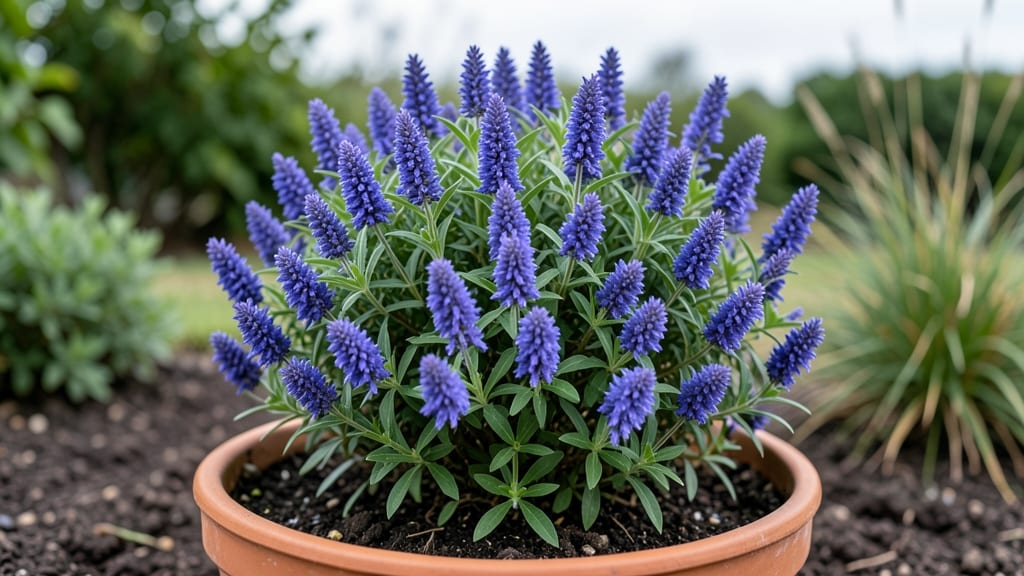
The Pugster Blue Butterfly Bush care is simple but transformative—this compact beauty blooms year-round with the right cuts. 🌿 I've learned the hard way that skipping pruning leads to leggy growth and fewer flowers, but mastering this simple technique turns it into a pollinator magnet.
Start with clean cuts in early spring before new growth appears. Remove dead wood first, then trim back last year's stems by about one-third to encourage fresh blooms. The key is timing: prune after flowers fade to keep the plant compact and bushy.
By summer, you'll see dense foliage packed with tiny blue-purple blooms that attract butterflies like crazy. The plant stays manageable at just 3-4 feet tall, making it perfect for small gardens or containers.
For best results, feed with a balanced fertilizer in spring and water deeply when the top inch of soil dries out. This bush is tough—once established, it handles drought and poor soil surprisingly well.
📚 In This Guide
- What you need
- Instructions
- Tips and common mistakes
- Wrapping up and next steps
What you need
- ● Pugster Blue Butterfly Bush plant – A healthy, established specimen (check for vibrant blue flowers and lush foliage!).
- ● Well-draining potting mix or garden soil – Aim for a mix that’s 60% soil, 30% compost, and 10% perlite or sand for optimal drainage.
- ● Pruning shears or loppers – Sharp, clean tools (sterilized with rubbing alcohol) to prevent disease spread. Choose bypass pruners for clean cuts.
- ● Gloves – Garden or work gloves to protect your hands from thorns and sap.
- ○ Mulch (optional but recommended) – 2–3 inches of organic mulch (like shredded bark or pine straw) to retain moisture and suppress weeds.
- ● Watering can or hose with a gentle spray nozzle – Avoid overwatering; aim for 1–1.5 inches per week (adjust for climate).
- ● Fertilizer (balanced or bloom-boosting) – 10-10-10 or 20-20-20 NPK ratio applied every 4–6 weeks during growing season.
- ● Staking or support (if needed) – For young or top-heavy plants, use bamboo stakes or a small trellis.
- ○ Plant food or compost tea (optional) – For an extra nutrient boost, especially in poor soil conditions.
Instructions for pruning Pugster Blue butterfly bush for year-round blooms
Here's the simple system I use to keep my Pugster Blue blooming nonstop—no complicated schedules, just smart cuts.
✂️ Step 1: Prune for Shape After First Year's Growth
Wait until late winter or early spring, when the plant is still dormant but before new growth begins. You'll know it's time when the buds swell slightly but haven't broken open yet. This timing ensures you're cutting back old growth while encouraging fresh, vibrant stems to emerge.
Use clean, sharp pruners to remove about one-third of the oldest stems at ground level. These are the woody, thicker stems that grew last season. I focus on thinning the center first—this improves airflow and prevents fungal issues. Never cut more than a third in one season, or you'll shock the plant and delay blooming.
☀️ Step 2: Deadhead Spent Blooms During the Growing Season
As soon as flowers fade, snip them off just above the next set of leaves or leaf pair. This encourages the plant to produce new blooms instead of setting seed. I do this every 2-3 weeks throughout the growing season—it's the secret to continuous blooms. Watch for clusters of tiny buds forming after each cut; that's your signal the plant is responding well.
Don't cut into the green wood—always leave a small portion of stem below the faded bloom. This prevents the plant from looking "haircut" and maintains its natural shape while still stimulating new growth. If you notice leggy stems with few leaves, it's a sign you need to prune more aggressively next winter.
⏰ Step 3: Light Pruning in Late Summer for Fall Blooms
Around mid-August, give your Pugster Blue a second light pruning to extend the blooming season into fall. Remove about 10-15% of the oldest stems again, focusing on any that look tired or overcrowded. This isn't as drastic as the spring cut, but it clears out weak growth and makes room for new flowers.
You'll see fresh buds forming within 2-3 weeks after this pruning. The key is to stop cutting by mid-September in most climates—this gives the plant time to harden off before winter. If you live in a warm winter zone, you can extend this slightly, but never prune after the first frost.
✂️ Step 4: Clean Up and Prepare for Winter
After the first hard frost, cut back any remaining stems to about 6-12 inches tall. This tidies up the plant and prevents pests from overwintering in dead growth. I also remove all fallen leaves and debris from around the base—this reduces disease risk and keeps the plant healthy for next season.
Leave the stems standing through winter unless heavy snow or ice threatens to break them. The plant's natural protection comes from its thick bark and dormant buds. In early spring, you'll see fresh green growth pushing through—this is your reward for the careful pruning you've done all year.
Tips & tricks for pruning Pugster Blue butterfly bush
Real talk: Pruning this beauty right takes more than just snipping stems—it's about timing, technique, and knowing when to stop. Here's what I've learned after years of keeping my Pugster Blue blooming like crazy.
Timing is Everything: That late winter/early spring window in Step 1 is your sweet spot. If you prune too early, you'll cut back new growth that's just starting to form. If you wait too long, you miss the chance to shape the plant before it really takes off. I've ruined a few bushes by waiting until buds had already opened—don't make my mistake! Look for those slightly swollen buds that haven't burst open yet.
Tool Prep Makes All the Difference: Before you even touch the plant, sterilize your pruners with rubbing alcohol. I learned this the hard way when fungal spots appeared on my bushes after using the same shears for both roses and butterfly bushes. Sharp tools also make cleaner cuts that heal faster. Never use dull scissors—they crush stems instead of cutting cleanly.
Visual Cues for Perfect Cuts: When deadheading in Step 2, imagine you're making a tiny "V" cut just above the next leaf pair. That small stem stub you leave behind is crucial—it prevents water from pooling and causing rot. I always count the leaf pairs to make sure I'm cutting in the right spot. For the mid-August pruning, focus on stems that are thinner than a pencil—these are the ones that need removing to make room for new growth.
Seasonal Checklist: Mark your calendar for these key dates: late winter/early spring for the major shape-up, every 2-3 weeks during growing season for deadheading, mid-August for fall prep, and after first frost for winter cleanup. I keep a small garden journal where I record when I prune each year—it helps me stay consistent. The 2-3 week deadheading schedule might seem frequent, but trust me, it's what keeps those blooms coming nonstop.
Pro Tips for Pugster Blue Butterfly Bush Care
- Real talk: Pruning this beauty right takes more than just snipping stems—it's about timing, technique, and knowing when to stop.
- Timing is Everything: That late winter/early spring window in Step 1 is your sweet spot.
- Tool Prep Makes All the Difference: Before you even touch the plant, sterilize your pruners with rubbing alcohol.
Frequently asked questions
How often should I prune my Pugster Blue Butterfly Bush?
Prune your Buddleja davidii ‘Pugster Blue’ twice a year: once in early spring (before new growth) to shape the plant and again in late summer (after blooming) to encourage fresh flowers. Avoid heavy pruning in fall—this tender shrub needs time to harden off for winter!
Can I prune my butterfly bush in winter?
Light winter pruning is fine if you need to clean up dead branches, but avoid heavy cuts. Cold snaps can stress the plant, so wait until late winter or early spring (when temps stay above freezing) for major pruning. If you live in a harsh climate, consider wrapping young plants in burlap for extra protection.
Why aren’t there as many butterflies visiting my bush?
Butterflies love Pugster Blue for its nectar-rich blooms, but if visitors are scarce, check these fixes:
- Timing: Prune too late? Delayed blooms mean fewer flowers. Stick to the spring-summer schedule.
- Location: Plant near sunny, open areas (butterflies avoid windy spots).
- Pesticides: Skip harsh chemicals—use neem oil or insecticidal soap only if needed.
What’s the best way to revive an overgrown Pugster Blue?
Don’t panic! If your bush looks like a tangled mess, rejuvenate it in stages:
- Start by cutting back 1/3 of the oldest stems to the ground in early spring.
- Next year, trim another 1/3 of the remaining stems.
- By year three, you’ll have a youthful, bushier plant with fresh blooms!
Are there drought-tolerant alternatives to Butterfly Bush?
Yes! If your Pugster Blue struggles in dry heat, try these low-maintenance, butterfly-friendly swaps:
Plant
Why It Works
Lavender (Lavandula)
Drought-resistant, fragrant, and attracts bees + butterflies.
Butterfly Weed (Asclepias tuberosa)
Native to the U.S., thrives in poor soil, and hosts monarch caterpillars.
Russian Sage (Perovskia atriplicifolia)
Tolerates heat/drought, has silvery foliage, and blooms late summer.
Pro tip: Mix these with your Pugster Blue for a pollinator powerhouse garden!
Wrapping up and next steps
Caring for your Pugster Blue Butterfly Bush is all about striking the right balance—pruning at the right times, providing the perfect growing conditions, and keeping an eye out for pests.
With these tips, you’ll enjoy stunning blue blooms and a buzzing garden teeming with butterflies all year long! 🦋 Now’s the perfect moment to grab those shears and get pruning—your butterfly bush will thank you with vibrant, continuous color.
Next steps:
- 📅 Mark your calendar for spring and fall pruning sessions.
- 🌱 Monitor your plant’s health and adjust care as needed.
- 🎉 Share your progress with fellow gardeners—inspiration spreads!