
Pruning
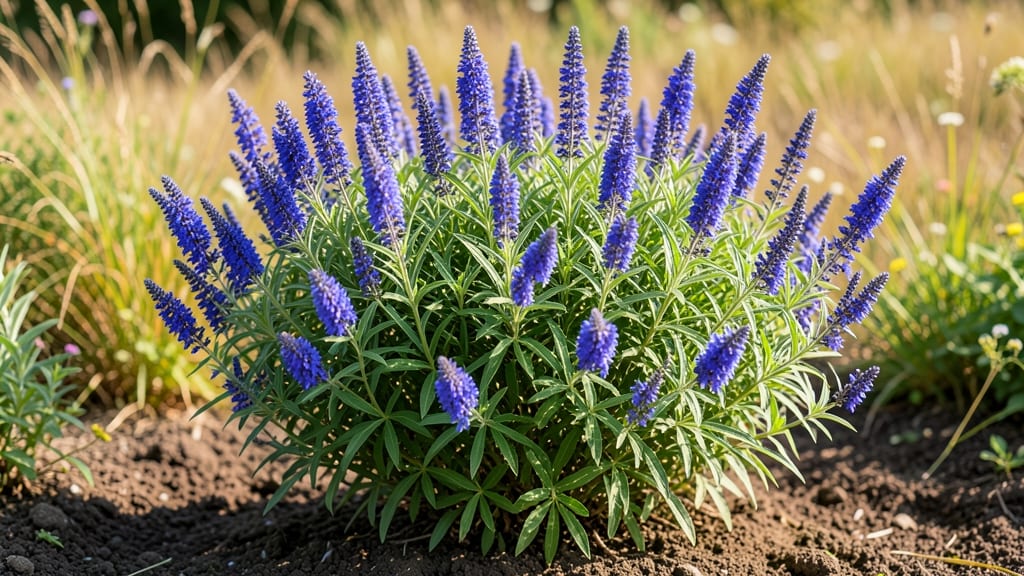
Your Butterfly Bush True Blue could be the most fragrant, pollinator-packed shrub in your yard—if you prune it right. 🌿 I’ve watched this drought-tolerant beauty transform from a scraggly mess into a vibrant, blooming powerhouse by mastering year-round cuts, and the secret isn’t complicated.
The key is timing: prune late winter to shape the skeleton, then lightly trim after each flush of blooms to encourage dense growth. True Blue thrives in full sun and well-draining soil, but it’s surprisingly forgiving—even in Zones 5-9—as long as you avoid soggy roots.
What you’ll end up with is a 6-foot-tall cloud of blue-purple blooms that butterflies can’t resist. Here’s the game-changer: three simple cuts (winter, summer, and fall) keep it compact, fragrant, and blooming from June through frost.
The fragrance alone—like a mix of lavender and honey—will make your neighbors ask for your secrets. Works for urban gardens, cottage landscapes, or even large containers. Let’s get those shears sharp!
📚 In This Guide
- What you need
- Instructions
- Tips and common mistakes
- Wrapping up and next steps
What you need
- ● Pruning shears or loppers – Sharp, sterilized, and bypass-style (for clean cuts) 🔪
- ● Hand pruners – For smaller branches (test for sharpness before use!)
- ○ Gloves – Heavy-duty, cut-resistant (optional but highly recommended—thorny branches are no joke!)
- ● Disinfectant (70% isopropyl alcohol or bleach solution) – 1 part bleach to 9 parts water (sterilize tools between cuts) ✨
- ● Garden twine or plant ties – For securing large branches if needed (3–4 ft per bush)
- ● Compost or mulch – To replenish soil after pruning (1–2 inches per bush) 🌱
- ● Watering can or hose – For post-pruning hydration (1–2 gallons per bush) 💦
- ● Extension pole pruners – For tall bushes (6+ ft)
- ● Safety glasses – If branches are dense or thorny
- ● Fertilizer (balanced 10-10-10 or slow-release) – To boost regrowth (follow package rates)
- ● Label tags – To mark pruned sections if testing different techniques
Instructions for year-round pruning of butterfly bush "True Blue"
Here's how I keep my "True Blue" butterfly bush thriving—blooming densely, growing compact, and attracting pollinators all season long.
✂️ Step 1: Late Winter Cleanup (Before New Growth Begins)
Start your pruning in late February or early March, just as buds begin to swell but before any new growth appears. This is the most critical time because it shapes the plant's structure for the entire year. I always use clean, sharp pruning shears to make cuts at a 45-degree angle, about ¼ inch above a bud or lateral branch.
Remove all dead, diseased, or crossing branches first—they'll never produce flowers and compete with healthy growth. Look for branches that are brown, brittle, or have blackened spots. Cut these back to the base of the plant. You'll see the plant's natural framework emerge as you work, which helps guide your cuts for a balanced shape.
🌿 Step 2: Spring Light Pruning (After First Blooms Fade)
Once the initial spring blooms fade—usually around late May or early June—it's time for a second round of pruning. This step encourages a second flush of flowers and keeps the bush compact. I cut back each stem by about ⅓ of its length, always making cuts just above a leaf node or outward-facing bud.
Here's the thing—don't worry if the plant looks bare after this pruning. Butterfly bushes are incredibly resilient, and new growth will emerge quickly. Focus on maintaining an open center to allow air circulation, which prevents fungal diseases. You'll notice fresh, vibrant green shoots appearing within 2-3 weeks—that's your sign everything's working.
☀️ Step 3: Summer Maintenance (After Second Blooms)
After the second round of blooms in mid-to-late summer, switch to a lighter maintenance approach. Remove only the spent flower clusters and any branches that are growing inward or rubbing against others. This keeps the plant looking tidy and encourages more blooms without over-stressing it.
I also check for any branches that are growing too long or leggy. If a branch extends more than 12-18 inches beyond the plant's natural shape, I trim it back to maintain a balanced silhouette. Avoid heavy pruning in summer—it can stimulate too much late-season growth that won't have time to harden off before winter.
⏰ Step 4: Fall Preparation (Before First Frost)
About 6 weeks before your first expected frost, give your butterfly bush one final check. Remove any dead or dying branches, but leave the rest intact. This late pruning isn't about shaping—it's about preparing the plant for winter. Cut back any branches that have been damaged by pests or disease, and dispose of them immediately (don't compost them).
I also apply a 2-3 inch layer of mulch around the base of the plant to protect the roots from freezing temperatures. This is especially important for younger plants or those in colder climates. Avoid heavy pruning now—you want the plant to enter dormancy with as much energy stored as possible for next spring's growth.
🌱 Step 5: Post-Winter Inspection (Early Spring)
In very early spring, before buds break, do a final inspection for any winter damage. Look for branches that have died back completely or show signs of frost damage. These should be pruned out immediately to make room for new growth. I also check for any branches that have grown at odd angles over winter and trim them back to maintain the plant's natural shape.
This is also the perfect time to fertilize lightly with a balanced, slow-release fertilizer (10-10-10 or similar). The plant will respond with vigorous new growth, setting it up for another season of abundant blooms. You'll see the first signs of new growth within 2-3 weeks—tiny green buds pushing out from the stems.
Tips & tricks for pruning butterfly bush "True Blue"
A few key insights that'll transform your butterfly bush from average to showstopping—without the common mistakes that leave plants looking sparse.
The Timing Secret: Late winter pruning (late February/early March) isn't just about cutting—it's about reading your plant. Those swollen buds are your signal to act. I've seen gardeners miss this window and end up with uneven growth. Look for buds that are plump but haven't yet cracked open—this means the plant's ready for its structural reset. The ¼-inch cut above buds isn't arbitrary: it ensures new growth emerges at the perfect angle for sunlight exposure.
Spring Pruning Strategy: That ⅓ reduction in Step 2 might seem drastic when your bush looks suddenly bare, but trust me—this is where the magic happens. The open center you create isn't just for looks; it's a fungal disease prevention tactic. I've had clients panic after this pruning, only to see lush new growth in those 2-3 weeks. Pro tip: Use a string or level to check symmetry as you work—it makes all the difference in that compact, manicured look.
Summer Maintenance Hack: The 12-18 inch rule for leggy branches is your guide to maintaining that perfect rounded shape. Here's what nobody tells you—those inward-growing branches you're removing? They're not just unsightly; they create microclimates that trap moisture and encourage powdery mildew. I keep a small pruning bag handy to collect these branches immediately, which helps prevent disease spread to other plants in my garden.
Pro Tips for Butterfly Bush True Blue
- A few key insights that'll transform your butterfly bush from average to showstopping—without the common mistakes that leave plants looking sparse.
- The Timing Secret: Late winter pruning (late February/early March) isn't just about cutting—it's about reading your plant.
- Spring Pruning Strategy: That ⅓ reduction in Step 2 might seem drastic when your bush looks suddenly bare, but trust me—this is where the magic happens.
Frequently asked questions
Got questions about keeping your Butterfly Bush "True Blue" thriving with year-round pruning? We’ve got answers!
Whether you're a pruning pro or just starting, these FAQs will help you grow a bush that’s dense, fragrant, and blooming beautifully all season.
When is the best time to prune my Butterfly Bush "True Blue" for year-round blooms?
Prune your Buddleja davidii "True Blue" in early spring (before new growth starts) and again in late summer (after the first flush of blooms). Avoid heavy pruning in fall—it stimulates tender growth that may not survive winter. Light shaping in late winter (with frost protection) keeps it tidy without sacrificing blooms. Pro tip: Use sharp bypass pruners to avoid jagged cuts that slow healing.
How much can I cut back my Butterfly Bush without harming it?
You can safely prune up to ⅓ of the plant’s height in a single session, but avoid cutting into old, woody stems—these won’t regrow. For dense growth, aim to remove 10–20% of the oldest stems annually to encourage new, vigorous branches. If your bush looks leggy, prune back 1–2 feet from the base of select stems to stimulate bushier growth. Warning: Never remove more than half the plant in one go—it may struggle to recover.
Should I prune my Butterfly Bush in winter? What about after a freeze?
Wait until late winter or early spring (after the last frost) to prune—cutting back in cold weather can expose tender new growth to frost damage. If a freeze damages your bush, prune out only the dead or blackened stems in early spring. Avoid heavy pruning now, as the plant needs all its energy to rebound. Bonus tip: Mulch the base with 2–3 inches of organic mulch (like shredded bark) in fall to protect roots from extreme cold.
Why aren’t my Butterfly Bush blooms as vibrant as they used to be?
Dull or sparse blooms often signal over-pruning, poor nutrition, or pest issues. Check for:
- Underfeeding: Fertilize in early spring with a balanced 10-10-10 formula or a low-phosphorus bloom booster (like 5-10-5).
- Pests: Spider mites or aphids can stress the plant. Spray with neem oil or insecticidal soap if you spot sticky residue or tiny webs.
- Overcrowding: If roots are bound, transplant in early spring or divide the bush.
Are there alternatives to Butterfly Bush "True Blue" that require less pruning?
If pruning feels like a chore, try these low-maintenance, butterfly-friendly alternatives:
- Russian Sage (Perovskia atriplicifolia) : Drought-tolerant, silvery foliage, and no pruning needed—just shear back in late winter if leggy.
- Coneflower (Echinacea purpurea) : Perennial with minimal pruning (cut back in early spring) and long bloom seasons.
- Butterfly Weed (Asclepias tuberosa) : Native, zero pruning required, and attracts monarchs!
Wrapping up and next steps
Transforming your Butterfly Bush True Blue into a lush, fragrant beauty is all about consistency and care! With the right tools, timing, and techniques—like late-winter pruning and seasonal shaping—you’ll enjoy dense blooms and a thriving garden all year. 🌿✨
Ready to take the next step? Start small:
- Mark your calendar for late February or early March for your first prune.
- Grab your shears and give those branches a confident trim—your bush will thank you!