
Blooming
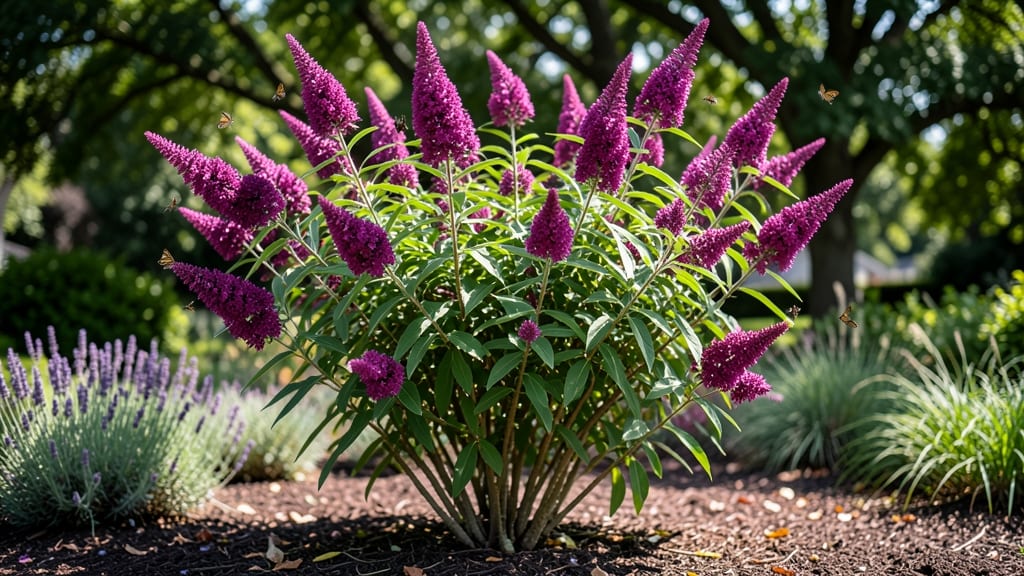
The butterfly bush blooming season turns your garden into a fluttering paradise 🦋 when timed just right.
Want to transform your garden into a vibrant butterfly magnet? Timing the blooming season correctly is the key to attracting hundreds of winged visitors—but getting it wrong means missed opportunities.
In USDA Zone 6a, like where I garden, the show typically starts in July and lasts until the first frost, though early or late bloomers can shift that window by weeks. Warmer zones push blooms even earlier, while cooler climates may delay them until August.
Here’s how to pinpoint your exact bloom window, extend the season with simple care tricks, and choose the best varieties for nonstop color—so your garden stays a butterfly buffet all season long.
Butterfly bush blooming season by USDA hardiness Zone: exact months
Timing your butterfly bush blooming season depends heavily on your USDA hardiness zone. In colder zones, blooms arrive earlier to capitalize on short summers, while warmer climates enjoy extended flowering. Understanding these patterns helps you plan for peak butterfly activity and maximize your garden's pollinator appeal.
Climate plays a huge role—warmer zones like Zone 9-10 often see two bloom cycles, while cooler Zone 5-6 gardens may only get one. Regional microclimates (like urban heat islands or coastal breezes) can shift bloom times by 2-4 weeks. Let’s break down the exact months for each zone.
📌 PRO TIP: Early bloomers (like 'Miss Ruby') often start 2-3 weeks sooner than standard varieties. Late-season types (like 'Lilac Beauty') may bloom until first frost in mild zones.
| USDA Zone | Early Bloomers | Peak Season | Late Bloomers | Notes |
|---|---|---|---|---|
| 5-6 | Late June | July-August | Early Sept | Single bloom cycle; prune hard in late winter |
| 7-8 | Early June | June-Sept | Oct (mild winters) | Possible second bloom with light pruning |
| 9-10 | April-May | May-July | Sept-Nov | Two distinct bloom cycles; minimal pruning needed |
In Zone 5-6, your butterfly bush blooming season typically kicks off in late June and peaks through July-August. This aligns with when monarchs and swallowtails emerge from pupation.
The late bloomers in these zones often fade by early September, so pair them with neighborhood pollinator plants like coneflowers for extended support.
Gardeners in Zone 7-8 enjoy a longer window, with blooms starting as early as June and potentially lasting until October in milder microclimates.
The key difference here is the possibility of a second bloom cycle—especially if you give your bush a light pruning after the first flush of flowers fades.
For Zone 9-10 gardeners, the butterfly bush blooming season is practically year-round in some cases. Early bloomers appear in April-May, while late-season varieties may still flower until November. This extended season means you’ll attract migratory butterflies passing through and resident species alike.
🌡️ CLIMATE TIP: Coastal areas in Zone 8-9 often bloom 2-3 weeks earlier than inland regions due to milder winters. Conversely, inland Zone 7 gardens may see delayed blooms if spring frosts linger.
Regional variations also matter—Southern California bushes might bloom in March, while Florida varieties could start as early as February. Always check your local frost dates and adjust planting times if you’re pushing the zone limits with heat-loving varieties like 'Lo & Behold Red.'
If you’re in a transition zone (like Zone 7b), expect 1-2 week variations from the table above. Monitor your plant’s growth—if buds form but don’t open, it may need more sunlight or balanced fertilizer to trigger blooming.
For container gardeners, bloom times may shift slightly due to root restriction and temperature fluctuations. Potted bushes in Zone 6 might bloom 1 week later than in-ground plants. Use heat-retaining pots to extend the season in cooler climates.
🦋 BONUS: Plant early-blooming varieties near late-season nectar sources (like asters) to create a continuous butterfly buffet from June through October.
How to trigger earlier or longer butterfly bush blooms: pruning and care tips
Your butterfly bush (Buddleia spp.) can bloom for weeks longer than average with the right care. The secret lies in understanding its natural growth cycle and using strategic pruning to encourage reblooming.
Most varieties produce a single flush of flowers on new wood, but with proper techniques, you can coax a second bloom cycle later in the season.
First, let's address the most common misconception: hard pruning in late winter removes next year's flower buds. Instead, we'll focus on selective pruning and seasonal care to extend your blooming window. The key is timing—prune at the right moments to trigger new growth without sacrificing current flowers.
Numbered Highlights for Extended Blooms
- Prune after blooming (late summer) to encourage second flush of flowers
- Use balanced fertilizer (10-10-10) in early spring and mid-summer for sustained blooms
- Water deeply twice weekly during peak bloom to prevent stress
- Deadhead spent blooms to redirect energy to new flower production
- Mulch with 2-3 inches of organic mulch to protect roots and retain moisture
For earlier blooms, start with early spring pruning in March or April (after last frost). Cut back one-third of the oldest stems to encourage vigorous new growth that will flower sooner.
This method works especially well for dwarf varieties like 'Lo & Behold' that naturally bloom earlier than standard types.
To extend the blooming season, focus on late summer pruning (August-September). After your first flush of flowers fades, prune back one-third of the current year's growth.
This stimulates new wood that will produce a second round of blooms in fall. Some varieties like 'Pink Delight' can produce three bloom cycles with this technique!
Don't forget the watering hack that makes all the difference: deep watering twice weekly during bloom season. Most gardeners overwater lightly, but butterfly bushes thrive with 1-2 inches of water per week delivered directly to the root zone. Early morning watering prevents fungal issues and keeps blooms vibrant longer.
With these care techniques, you can transform your butterfly bush from a single-season spectacle to a continuous pollinator magnet from early summer through fall. The key is consistency—prune at the right times, feed strategically, and water deeply to create the perfect conditions for extended blooming. 🦋