
Pruning
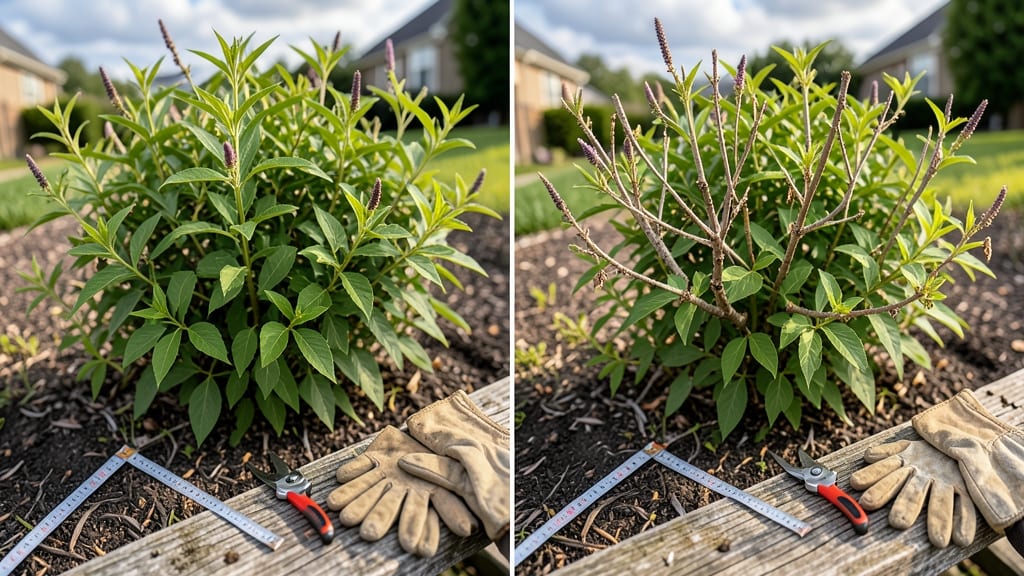
Cutting back butterfly bushes to the right height transforms them from scraggly to spectacular. ✂️ I’ve learned the hard way that pruning too little leaves woody stems and sparse blooms, while over-pruning can kill next year’s flowers.
The key is aggressive trimming in late winter—down to 12-18 inches from the ground—just as new buds swell. This forces fresh, vibrant growth and ensures a summer-long parade of butterflies.
You’ll need sharp pruners, a saw for thicker stems, and a clear day to avoid spreading disease. Start by removing all dead or crossing branches first—these compete for energy. Then, cut the remaining stems at a 45-degree angle just above a leaf node or outward-facing bud.
The goal is to shape a vase-like form, letting sunlight reach the center where blooms form.
What you’ll end up with is a bush that blooms from June to frost instead of just a few weeks. The foliage stays lush and green, and you’ll notice fewer pests since pruning improves airflow.
Even if you’ve neglected it before, butterfly bushes bounce back remarkably well with this method—just don’t wait until spring when the buds are already set.
For older bushes that look woody and tired, you can prune even harder—down to 6 inches—but only every few years. And if you’re in a cold climate, wait until after the last frost to avoid damaging tender new growth.
The payoff? A butterfly magnet that thrives for decades with just this one annual reset.
📚 In This Guide
- What you need
- Instructions
- Tips and common mistakes
- Wrapping up and next steps
What you need
- ● Pruning shears or loppers: Choose sharp, bypass pruners (for small stems) or loppers (for thicker branches). Disinfect blades with rubbing alcohol to prevent disease spread. (1-2 pairs)
- ● Hand pruners (for precision): Ideal for trimming smaller branches or deadheading spent blooms. (1 pair)
- ● Garden gloves: Heavy-duty, cut-resistant gloves to protect your hands from thorns and sharp stems. (1-2 pairs)
- ● Safety glasses: Protect your eyes from debris, especially when working with loppers. (1 pair)
- ● Garden twine or zip ties: For temporarily securing large branches if you’re pruning in stages. (1 roll or pack)
- ● Disposable pruning bags or bucket: To collect and dispose of pruned branches easily. (1-2 bags or 1 bucket)
- ● Hedge shears: Useful if your butterfly bush has grown into a dense hedge and needs a uniform trim. (1 pair)
- ● Ladder or step stool: For reaching taller bushes safely. (1, depending on bush height)
- ● Marking spray or chalk: Helps visualize where to cut if you’re planning a dramatic shape change. (1 bottle or stick)
- ● Compost bin or mulch: To recycle pruned branches into nutrient-rich compost for your garden. (Access to bin or space for mulch)
- ● Knowledge of your butterfly bush’s age and variety—younger bushes (under 3 years) need lighter cuts, while mature ones can handle harder pruning.
- ● Check the weather forecast: Aim for a dry, mild day (50–70°F) to minimize stress on the plant.
- ● Review your bush’s growth habit—some varieties (like ‘Lo & Behold’ or ‘Miss Ruby’) are more compact and may need less aggressive trimming.
Step-by-Step guide to pruning butterfly bushes for year-round blooms
Here’s the method I’ve used to keep my butterfly bushes flowering nonstop—no more sparse stems or missed blooms.
✂️ Step 1: Time Your First Cut in Late Winter or Early Spring
Wait until after the last frost when new growth starts—usually February to March in most climates. This is when the plant begins pushing energy toward fresh shoots. If you cut too early, you’ll remove buds that haven’t opened yet, and if you wait too long, you’ll prune when the plant is already flowering.
Look for swollen buds along the stems—these signal the plant’s readiness. I like to prune on a dry, sunny day when the plant is actively growing but hasn’t yet burst into full bloom. This timing ensures you don’t accidentally remove next year’s flowers.
✂️ Step 2: Cut Back to Healthy Wood or 1/3 of the Plant’s Height
Use clean, sharp pruners to make cuts at a 45-degree angle, about ¼ inch above a leaf node or outward-facing bud. This encourages new growth to sprout from the right spot. For older stems, cut back to healthy wood—you’ll know it’s good because it’s firm and green inside, not hollow or brown.
If your bush is overgrown, aim to reduce it by one-third of its height. This isn’t a hard rule, but it’s a good starting point. You’ll see thick, woody stems—these can be cut back aggressively, while newer, thinner growth should be trimmed more lightly. Avoid cutting into old, bare wood; it won’t regrow.
✂️ Step 3: Remove Dead, Diseased, or Crossing Branches
Scan the bush for dead branches (they’re brittle and snap easily) or diseased wood (look for black spots, mold, or oozing sap). Cut these out first—they drain energy from the plant. Next, remove any branches that cross or rub against each other, as this creates wounds where pests or diseases can enter.
Thin out the center of the bush to improve airflow. Butterfly bushes need good circulation to stay healthy, and crowded centers often lead to fungal issues. If you’re unsure whether a branch is dead, scratch the bark with your fingernail—if it’s green underneath, it’s still alive.
✂️ Step 4: Lightly Trim After Each Flowering Cycle
Butterfly bushes bloom on new wood, so they’ll produce flowers even after they’ve already bloomed once. After the first flush of flowers fades, trim back by about one-third again to encourage a second round of blooms. This keeps the plant bushy and productive throughout the season.
Use the same 45-degree cut technique, but this time focus on shaping rather than drastic reduction. You’ll notice new buds forming along the stems—these will become your next set of flowers. Avoid cutting into old wood again; always prune just above a leaf node or bud.
✂️ Step 5: Clean Up and Fertilize for Next Year
After pruning, remove all clippings from the area to prevent disease from lingering. I like to compost them, but if you notice any signs of disease (like black spots), dispose of them in the trash instead. Once the bush is tidy, apply a balanced fertilizer (like 10-10-10) to give it a nutrient boost for the growing season ahead.
Water deeply after fertilizing to help the roots absorb the nutrients. This is also a great time to mulch around the base with 2-3 inches of organic mulch (like shredded bark or wood chips) to retain moisture and protect the roots. Your butterfly bush will thank you with vibrant, continuous blooms all season long.
Tips & tricks for perfect butterfly bush pruning
These game-changing tips will help you avoid common mistakes and keep your butterfly bushes thriving all season long.
Timing is Everything: I can't stress enough how critical the February-March window is—this is when your bush is preparing for spring growth. If you prune too early, you risk cutting off next year's flower buds before they've even formed. Wait until you see those swollen buds along the stems, and you'll know it's time. Real talk: I once pruned too early and my bush took a full year to recover from the setback.
The 45-Degree Angle Matters: When making those cuts in Step 2 and Step 4, the 45-degree angle isn't just for looks—it helps water run off the cut and prevents rot. I've seen too many gardeners skip this detail, leading to soggy cuts that develop fungal infections. Always cut just above a leaf node or outward-facing bud to encourage healthy new growth in the right direction. Think of it like giving your plant a little "roof" to keep water away from the fresh cut.
Healthy Wood Check: Before you start cutting back those thick woody stems, do the green test—scratch the bark with your fingernail. If it's green underneath, it's still alive and worth keeping. I learned this the hard way after cutting back what I thought was dead wood, only to realize it was actually healthy and my bush looked ragged for months afterward. This simple test saves you from over-pruning and gives your plant the best chance to rebound.
Seasonal Maintenance Strategy: After your initial late-winter pruning, make it a habit to do that one-third trim after each flowering cycle. This keeps your bush compact and encourages continuous blooming. I mark my calendar with reminders every 8-10 weeks during growing season—it's amazing how much more productive my bushes are when I stay on top of this simple maintenance.
Pro Tips for How Far Should You Cut Back Butterfly Bushes
- These game-changing tips will help you avoid common mistakes and keep your butterfly bushes thriving all season long.
- Timing is Everything: I can't stress enough how critical the February-March window is—this is when your bush is preparing for spring growth.
- The 45-Degree Angle Matters: When making those cuts in Step 2 and Step 4, the 45-degree angle isn't just for looks—it helps water run off the cut and prevents rot.
Frequently asked questions
about pruning butterfly bushes can help clarify timing, techniques, and troubleshooting. Here are some common concerns:When is the best time to cut back butterfly bushes?
Prune butterfly bushes in late winter or early spring (before new growth starts) or right after blooming (summer). Avoid heavy pruning in fall—it can stimulate tender growth that may frost damage. For year-round blooms, light trims after each flush of flowers work best!
How much should I trim butterfly bushes?
Cut back one-third to one-half of the plant’s height in late winter. For established bushes, aim to remove old wood (stemmed from the ground) to encourage fresh, vigorous growth. Dead or diseased branches should always be pruned out first!
Will cutting back butterfly bushes reduce flowers?
No—proper pruning actually boosts blooms! Regular trimming removes spent flowers and encourages new growth, which produces more buds. Over-pruning (cutting too aggressively) may temporarily reduce flowers, but a balanced approach keeps them thriving.
What if my butterfly bush isn’t blooming after pruning?
Check these fixes:
- Ensure it gets full sun (6+ hours/day)—shade reduces blooms.
- Fertilize with low-phosphorus, high-potassium feed in early spring.
- Prune after blooming to avoid cutting off next year’s buds.
- Test soil pH—butterfly bushes prefer slightly acidic to neutral (6.0–7.0).
Can I prune butterfly bushes in fall?
Light pruning (removing dead branches) is fine in fall, but avoid heavy cuts—new growth may not harden off before winter. If you must prune, do so at least 6 weeks before frost to allow recovery time.
Wrapping up and next steps
Cutting back your butterfly bushes the right way isn’t just about aesthetics—it’s the secret to vibrant, year-round blooms and healthier plants! Remember, timing (late winter or early spring) and method (1/3 to 1/2 of the plant’s height) are key.
Don’t shy away from this task—your garden will thank you with waves of color and happy butterflies!
Ready to give your butterfly bushes the TLC they deserve? Grab your pruners, mark your calendar, and get pruning! 🌿✂️