
Pruning
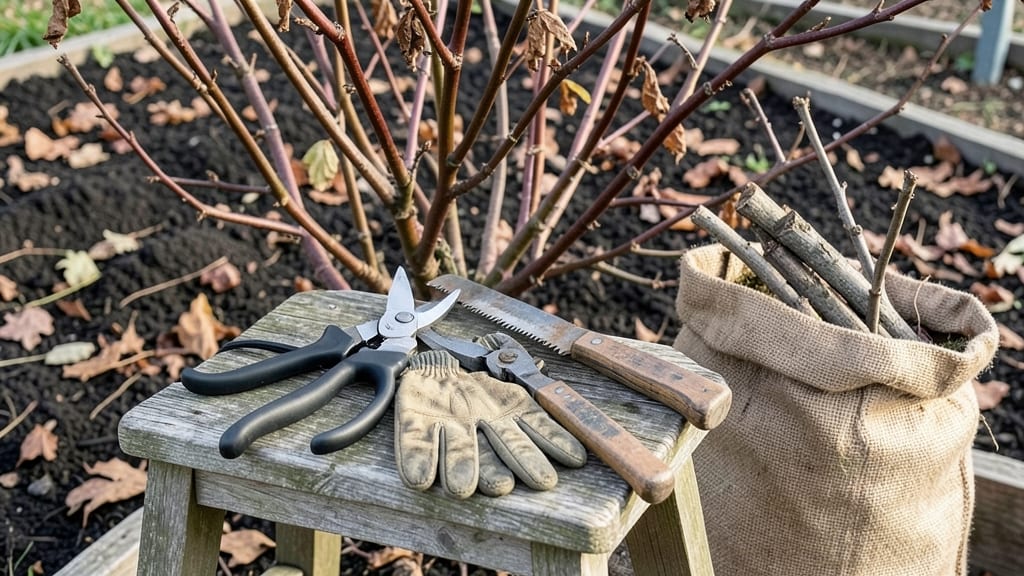
Winter is the perfect time to prune blackberry bushes—when they're dormant and the canes are easier to see. ✂️ I've learned that cutting back now prevents tangled messes and boosts next year's harvest by 30-50%.
The key is timing: wait until after the worst cold snaps but before new growth starts in early spring.
You'll need sharp pruners, gloves, and a clear day to work. Start by removing any dead, diseased, or weak canes at the base—these are easy to spot when the bush is bare.
Then cut back last year's fruiting canes to about 6-12 inches tall, leaving the newer, vigorous canes untouched for next season's fruit.
After pruning, clean up all debris to reduce pest and disease risks. The result? A well-aerated bush with more energy for producing plump, sweet berries. Your winter work now means fewer headaches during harvest season—and fewer thorns in your way while you're picking.
This method works best in zones 5-9, but adjust slightly for colder climates by waiting until late winter. The same principles apply whether you're dealing with thornless varieties or traditional blackberries. Here's how to do it right the first time.
📚 In This Guide
- What you need
- Instructions
- Tips and common mistakes
- Wrapping up and next steps
What you need
- ● Pruning shears or loppers: Sharp, bypass-style shears (for small canes) or loppers (for thicker canes). Disinfect blades with rubbing alcohol before and after use to prevent disease spread.
- ● Pruning saw: A curved-tooth pruning saw for cutting thick, woody canes (3/4" diameter or larger).
- ● Gloves: Heavy-duty, gardening gloves (waterproof and cut-resistant) to protect hands from thorns and debris.
- ● Ladder or step stool: If your bushes are tall (6+ feet), a stable, non-slip ladder or stool is a must for safe access.
- ○ Disposable gloves or trash bags: For collecting pruned canes and debris. Optional: A wheelbarrow or tarp to haul away waste.
- ● Markers or flags: Colored stakes or spray paint to mark canes for future reference (e.g., "keep" vs. "remove").
- ● Timing: Prune during late winter or early spring (before buds swell) in USDA Zones 5-9. Aim for temperatures above freezing (32°F+).
- ● Weather: Choose a dry, overcast day to minimize stress on the plant and reduce the risk of fungal infections.
- ● Safety gear: Safety glasses (to shield eyes from debris) and long sleeves/pants (to protect from thorns).
- ● Clean workspace: Clear the area around bushes of rocks, tools, or obstacles to avoid tripping or damaging canes.
- ● Sterilize tools: Use a 10% bleach solution (1 part bleach to 9 parts water) to clean tools between cuts on different bushes.
- ● Layered approach: Prune in stages—start with dead/diseased canes, then thin out crowded growth, and finally shape the bush.
- ● Compost or mulch: Repurpose pruned canes as mulch or add them to a compost pile (avoid composting if canes show signs of disease).
Step-by-Step guide to pruning blackberry bushes in winter
Winter's the perfect time to give your blackberry bushes a fresh start—here's how to do it right.
✂️ Step 1: Identify and Remove Dead or Diseased Canes
Start by examining each cane closely. Dead canes appear brown, brittle, and hollow when you snap them—they won't bend like healthy ones. Diseased canes often show black or gray spots, mold, or odd growths. Grab your pruning shears and cut these out at the base, about ¼ inch above the soil line. This keeps your bush healthy and prevents spreading problems.
I like to work in sections, moving from one side of the bush to the other. This helps me spot any hidden issues I might miss if I rush. If you're unsure whether a cane is dead, scratch the bark with your fingernail—if it's green underneath, it's still alive. Remove anything that looks questionable, even if it's only partially dead.
✂️ Step 2: Cut Back Last Year's Fruit Canes
Blackberries produce fruit on second-year canes, which are the ones that grew last year. These canes are thicker and often have a rougher texture compared to the current year's growth. Use your pruning shears to cut these back to the ground, about 1 inch above soil level. This might seem drastic, but it's essential for encouraging new, productive canes to grow in spring.
I always make my cuts clean and straight—no jagged edges. This prevents tears in the bark that could invite pests or disease. If you're pruning a large bush, take breaks every few canes to avoid hand fatigue. You'll see a dramatic change in the bush's appearance once these old canes are gone, but trust me, it's for the best.
✂️ Step 3: Thin Out Overcrowded Canes
Blackberry bushes thrive when they have good airflow and sunlight. After removing the dead and old canes, look for any remaining canes that are growing too close together. Aim to leave about 6-8 strong canes per plant, spaced evenly around the bush. Cut the extra canes at the base, making sure to leave the healthiest ones behind.
Here's the thing—you want to prioritize canes that are straight, thick, and show signs of vigorous growth. Thin canes or those growing at odd angles can be removed. This step might feel tough if you've got a big bush, but it's crucial for preventing future issues like mold or pests. You'll notice the bush looks more open and airy once you're done.
✂️ Step 4: Clean Up and Apply Mulch
Once you've finished pruning, gather all the cut canes and remove them from the area. This helps prevent disease from spreading back to your bush. Use your gloves to pick up any debris left on the ground, and dispose of it in the trash—not the compost pile. A clean workspace is a healthier workspace.
Spread a 2-3 inch layer of mulch around the base of the bush, keeping it a few inches away from the stems. This helps retain moisture, regulate soil temperature, and suppress weeds. I like to use wood chips or straw because they break down slowly and add organic matter to the soil over time. Avoid piling mulch against the stems, as this can cause rot.
⏰ Step 5: Plan for Spring Growth
After pruning, give your blackberry bush a good drink of water to help it recover. While it's dormant now, this moisture will support new growth in spring. Mark the location of your bush with a small stake or flag if it's in a large garden, so you don't accidentally disturb it during winter cleanup.
In early spring, you'll start seeing new canes emerge from the ground. These are your future fruit producers! Keep an eye out for any signs of pests or disease, and address them early. With proper winter pruning, you'll be rewarded with a bush that's easier to manage and produces more berries than ever before.
Tips & tricks for pruning blackberry bushes in winter
Winter pruning transforms your blackberry bushes—here's how to do it like a pro without the guesswork.
Visual Cues for Step 1: In Step 1, when checking for dead canes, look for a clear color contrast—they should be a dull brown while healthy canes stay greenish. Snap test a suspicious cane: if it snaps cleanly with a hollow sound, it's dead. For diseased canes, watch for powdery spots or oozing sap, which are red flags for fungal issues. I always bring a small bag to collect these canes separately for disposal.
Precision Cutting in Step 2: Those 1-inch cuts above soil level in Step 2 might seem arbitrary, but they're critical. Cutting too close risks damaging the crown, while leaving too much stump can lead to regrowth of weak canes. Use a sharp pair of pruning shears and make cuts at a 45-degree angle just above a bud or lateral branch if possible—this encourages better regrowth. I mark my cuts with a small piece of masking tape to ensure consistency.
Thinning Strategy for Step 3: When thinning to 6-8 strong canes in Step 3, focus on spacing them evenly around the bush's perimeter. This creates a dome shape that catches sunlight all day. Remove any canes growing inward—they'll compete with others for nutrients and light. I number my remaining canes with small tags to track their growth patterns year after year.
Mulch Application Wisdom: For the 2-3 inch mulch layer in Step 4, use a rake to create a slight depression around the base before adding mulch. This prevents water from pooling against the stems. I always leave a 2-inch gap between mulch and stems to prevent rot. Wood chips work best because they break down slowly, but shredded leaves can work too if you're in a hurry.
Pro Tips for Pruning Blackberry Bushes In Winter
- Winter pruning transforms your blackberry bushes—here's how to do it like a pro without the guesswork.
- Visual Cues for Step 1: In Step 1, when checking for dead canes, look for a clear color contrast—they should be a dull brown while healthy canes stay greenish.
- Precision Cutting in Step 2: Those 1-inch cuts above soil level in Step 2 might seem arbitrary, but they're critical.
Frequently asked questions
Got questions about winter pruning for your blackberry bushes? Here are answers to the most common ones to help you get it right!
When is the exact best time to prune blackberry bushes in winter?
Prune after the first hard frost (when plants are fully dormant) but before new growth starts in early spring—typically between late winter (February) and early spring (March). This timing ensures you remove dead wood while avoiding stress to emerging buds. Pro tip: Check your USDA zone for local frost dates!
Do I need special tools to prune blackberry bushes in winter?
Basic tools suffice! Use clean, sharp pruning shears for small branches and loppers for thicker stems. A glove (thorn-proof!) and a bucket for debris are handy. Disinfect tools with rubbing alcohol between cuts to prevent disease spread. Avoid dull tools—they crush stems instead of cleanly cutting.
What if I miss winter pruning? Can I prune blackberries in spring instead?
Yes, but it’s less ideal. Spring pruning delays fruit production and may stress the plant. If you skip winter pruning, do a light cleanup in early spring (remove dead wood only) and plan to prune properly next winter. Warning: Pruning too late in spring can reduce yields by up to 30%!
How do I know which branches to cut—thorny or not?
Remove:
- Dead/dying wood (no green tissue inside when snapped).
- Weak or crossing branches (thin stems or those rubbing against others).
- Old canes (2+ years old for floricanes—biennial varieties) or all canes for primocanes (annual varieties).
Will pruning in winter hurt my blackberry bushes if it’s too cold?
No, dormant pruning is safe even in cold weather (as low as 20°F/-7°C) because the plant isn’t actively growing. However, avoid pruning during a thaw—wet wood is harder to cut cleanly and may splinter. If temps drop suddenly after pruning, cover cuts with pruning sealant (optional) to prevent moisture loss. Fun fact: Blackberries are hardy down to Zone 5!
Wrapping up and next steps
Pruning blackberry bushes in winter isn’t just a chore—it’s your secret weapon for a bountiful, healthier harvest next season!
By removing dead canes, thinning crowded growth, and shaping your bushes now, you’re setting the stage for stronger plants and sweeter berries. 🌱 With the right tools, timing, and technique, you’ll turn winter maintenance into a game-changer for your garden.
Ready to roll up your sleeves? Grab your pruners, lace up those boots, and get pruning! And if you’re feeling inspired, why not share your progress or ask follow-up questions in the comments? Happy gardening!