
Pruning
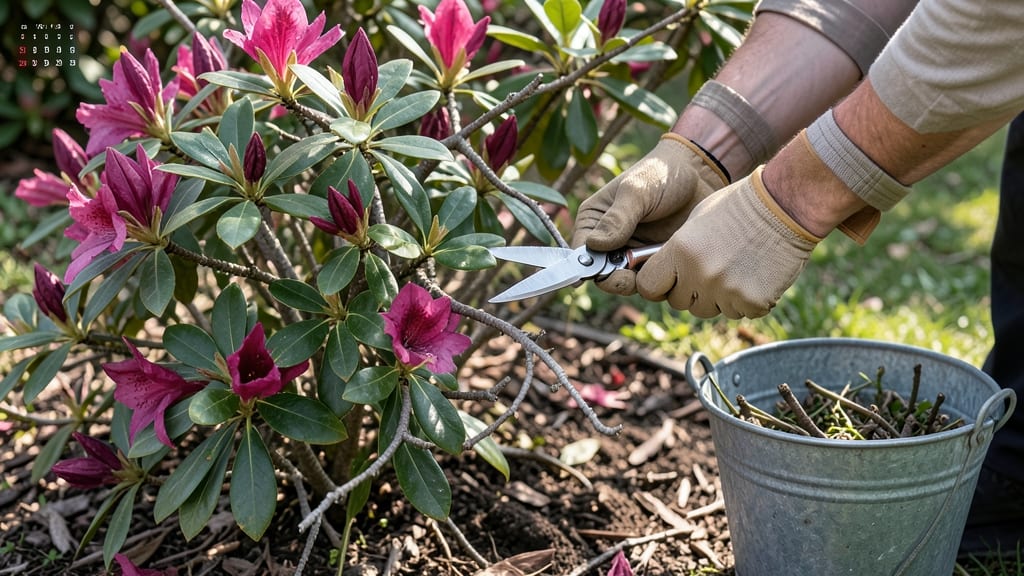
The best time to prune azalea bushes is late winter, just as the buds begin to swell but before they bloom 🌸 — a window that ensures vibrant flowers and healthy growth.
If you’ve ever watched your azaleas struggle to recover after a summer trim, you know timing is everything. Pruning at the wrong moment can strip away next year’s blooms or invite pests, turning a simple task into a costly mistake.
Late winter pruning taps into the plant’s natural cycle: after the coldest months, azaleas are dormant but ready to burst into growth. This is when you shape them without risking damage to their delicate buds or stressing the roots.
In this guide, I’ll walk you through the exact steps—from choosing the right tools to recognizing the signs of over-pruning—and how to adjust your schedule based on your climate zone.
Why late winter dormancy is the optimal time to prune azalea bushes
Azaleas are stunning spring bloomers, but their pruning timing directly impacts next year’s flowers. Most gardeners make one critical mistake: pruning after blooms appear. This disrupts the post-bloom growth cycle, leaving your shrubs with fewer—or no—flowers the following season.
The secret lies in late winter’s dormant season, when azaleas are at their most resilient.
During dormancy, azaleas conserve energy, making them less vulnerable to disease and stress from pruning. Cutting back in late winter stimulates fresh growth from new wood, which produces the next season’s blooms.
This timing also avoids the risk of late frost damage to freshly pruned branches, a common issue when pruning too early in spring.
Here’s the science: Azaleas bloom on last year’s wood, meaning flowers form on branches that grew the previous season. Pruning too late—after blooms appear—removes next year’s flower buds before they develop. Late winter pruning, however, targets overgrown or dead branches while preserving the framework for new growth.
| Season | Pruning Window | Why It Works | Risk of Wrong Timing |
|---|---|---|---|
| Late Winter (USDA Zones 5-7) | February–March (after last frost) | Dormant season; minimizes stress | Frost damage to new cuts |
| Late Winter (USDA Zones 8-10) | January–February | Mild climates; avoids summer heat stress | Over-pruning weakens growth |
| Spring (After Blooms) | April–May | N/A (Removes flower buds) | No blooms next year |
| Summer/Fall | June–October | N/A (Encourages weak growth) | Increased disease risk |
If you prune azaleas in late spring or summer, you’ll likely see a dramatic drop in blooms. This is because summer pruning encourages rapid, non-flowering growth while removing potential flower buds.
The plant redirects energy toward leafy stems instead of preparing for next year’s spring display. Even worse, summer cuts create entry points for fungal infections, especially in humid climates.
For fall-blooming azaleas (like Enkianthus or Rhododendron hybrids), the rule shifts slightly. These varieties bloom on current season’s wood, so prune immediately after flowering—typically in late spring or early summer.
However, most common azaleas (e.g., Rhododendron spp.) follow the late winter rule. Always check your variety’s bloom cycle to avoid mistakes.
Late winter pruning also reduces the spread of pests and diseases. Removing dead or diseased branches during dormancy prevents pathogens from spreading to healthy tissue when the plant is active.
Think of it as a reset button—clearing out last year’s debris and weak growth sets the stage for a stronger, more vibrant shrub.
To maximize results, prune azaleas on a dry, calm day in late winter. Avoid cutting into old wood (wood older than 3 years), as it rarely produces new blooms. Instead, focus on shaping the shrub by thinning out crowded branches and removing any that cross or rub against each other.
This improves airflow and sunlight penetration, both critical for healthy foliage and blooms.
One final tip: If you missed the late winter window, don’t panic. You can lightly prune azaleas in early spring (just before buds swell) to remove only the most overgrown branches.
However, avoid heavy pruning—this can delay blooming or reduce flower production. The key is patience and precision, not urgency.
By pruning azaleas in late winter, you’re not just tidying up your garden—you’re investing in next year’s spectacular blooms. This timing aligns with the plant’s natural growth cycle, ensuring your azaleas thrive for decades with minimal stress. 🌸✂️🌿
Step-by-step late winter pruning guide for azaleas: tools, techniques, and mistakes to avoid
Pruning your azalea bushes in late winter is the key to encouraging lush growth and stunning spring blooms. This is when these evergreen shrubs are dormant, making it the safest time to trim without stressing the plant.
With the right tools and techniques, you can reshape your azaleas while avoiding common mistakes that can harm their health.
Start by gathering your pruning essentials, including sharp bypass pruners for clean cuts and loppers for thicker branches. Disinfect your tools with rubbing alcohol to prevent spreading disease between cuts.
Identify dead or diseased branches first—they should snap easily when bent or appear brown and brittle compared to healthy green wood.
⚠️ WARNING: Pruning at the Wrong Time Can Kill Azaleas!
Use the open-center pruning method for older azaleas to improve airflow and sunlight penetration. Remove up to one-third of the oldest wood from the center, cutting just above a bud or outward-facing leaf.
For younger shrubs, opt for layered pruning, trimming back 20-30% of the total growth to maintain a natural, rounded shape while encouraging new growth at the base.
When shaping, always make cuts at a 45-degree angle, about ¼ inch above a bud or outward-facing branch. Avoid topping or shearing—this creates dense, weak growth and reduces flowering.
Instead, focus on removing crossing branches and those growing inward to open up the shrub’s center for better air circulation and light exposure.
Common pruning mistakes include cutting into old wood (which won’t regrow) and over-pruning (removing too much at once). Limit yourself to no more than 30% of the plant’s total growth in a single session.
Also, avoid pruning on windy or rainy days, as this can stress the plant and increase disease risk.
After pruning, apply a 2-3 inch layer of mulch around the base to retain moisture and regulate soil temperature. Water deeply to help the plant recover, and consider applying a balanced, acid-loving fertilizer in early spring to support new growth.
With proper care, your azaleas will reward you with vibrant blooms and a healthier structure for years to come. 🌸