
How To
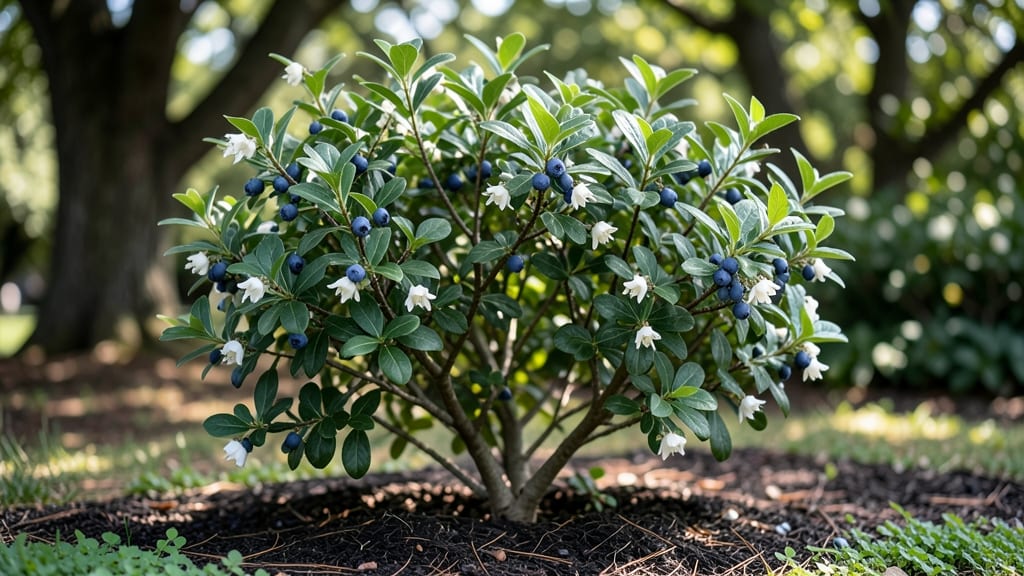
My blueberry bush tips went from scraggly to bursting with fruit after mastering just three pruning secrets—timing, technique, and patience. 🌿 The key isn’t cutting back blindly; it’s shaping the plant to focus energy where it matters most, and I’ll show you exactly how to do it without sacrificing next year’s harvest.
Start by pruning in late winter or early spring before buds swell, removing dead wood first, then thinning crowded branches to improve airflow. What you’ll end up with is a bush that produces larger, sweeter berries while staying healthy and disease-free—no more struggling with tiny, tart fruit or leaf spots.
📚 In This Guide
- What you need
- Instructions
- Tips and common mistakes
- Wrapping up and next steps
What you need
- ● Pruning shears: Sharp, bypass pruners (4–6-inch blades) for clean cuts on small branches.
- ● Loppers: For thicker branches (8–10-inch blades), only if your bush has woody stems over ½ inch thick.
- ● Disinfectant: 70% isopropyl alcohol or a 10% bleach solution (1 part bleach to 9 parts water) to sterilize tools between cuts.
- ● Gloves: Heavy-duty gardening gloves to protect hands from thorns and sap.
- ○ Pruning saw: Optional for very thick, mature branches (avoid if your bush is young).
- ○ Markers or flags: Optional colored twine or plant tags to mark branches for removal.
- ● Best time to prune: Late winter or early spring (before buds swell), or right after harvest for summer-bearing varieties.
- ● Weather check: Prune on a dry, calm day to avoid spreading disease or damaging cuts.
- ● Bush age: Young bushes (under 3 years) need minimal pruning—focus on shaping and removing dead wood.
- ● Know your variety: Southern highbush vs. northern highbush vs. rabbiteye—each has slightly different pruning needs!
Instructions: pruning blueberry bushes for maximum yield
Here’s my go-to method for pruning blueberry bushes that keeps them productive and healthy for years.
✂️ Step 1: Prune in Late Winter or Early Spring
Wait until after the worst winter frost has passed but before buds begin to swell—typically February to March in most climates. Pruning too early risks damaging new growth from late frosts, while waiting too long removes flower buds needed for harvest. I always prune on a dry, sunny day to reduce stress on the plant.
Start by removing any dead, diseased, or crossing branches first. These compete for energy and can spread problems. Use clean, sharp pruners to make cuts at a 45-degree angle just above a bud or branch junction. This prevents water from pooling and causing rot.
✂️ Step 2: Thin Out Overcrowded Branches
Look for branches that are rubbing against each other or growing inward toward the center of the bush. These will eventually break or block sunlight from reaching inner stems. Remove one-third of the oldest wood each year to encourage new growth while maintaining the bush’s shape.
Focus on thin, weak stems—they rarely produce fruit and drain energy from stronger branches. Aim to leave 6-8 strong, outward-facing branches per bush. You’ll see a noticeable difference in fruit production within a season.
☀️ Step 3: Shape for Sunlight and Airflow
Open the center of the bush to let sunlight reach all branches, which is critical for fruit development. I like to create an open vase shape by cutting back any branches that grow straight up or block the middle. This also improves airflow, reducing humidity-related diseases like botrytis.
Step back occasionally to check your progress. The goal is a bush with well-spaced branches that allow light to penetrate to the center. Avoid heavy pruning in the first few years—young bushes need all their energy for root and branch development.
🌿 Step 4: Post-Pruning Care
After pruning, apply a 2-3 inch layer of mulch around the base of the bush (but keep it 6 inches away from the trunk to prevent rot). This retains moisture and regulates soil temperature. Water deeply once a week for the first month to help the bush recover, especially if you’ve removed a lot of foliage.
I also recommend a balanced fertilizer (like 10-10-10) in early spring to replenish nutrients lost during pruning. Avoid high-nitrogen fertilizers—they encourage leafy growth at the expense of fruit production. Watch for new growth within 4-6 weeks as a sign your pruning was successful.
Tips & tricks for pruning blueberry bushes
Real talk: I've pruned my share of blueberry bushes that ended up looking like tangled vines instead of productive plants. Here's what I've learned to make every cut count.
Timing is Everything: That February to March window is non-negotiable for most zones. I check my local frost dates and mark my calendar—pruning too early risks frost damage to new growth, while waiting too long removes next year's flower buds. Pro tip: If you're in a warmer climate, aim for late winter when buds are still dormant but before they swell. The goal is to catch the bush in its sleep but before it wakes up.
The 45-Degree Angle Secret: When making cuts in Step 1, that angled cut just above a bud isn't just about looks—it's about directing water away from the wound. I use my pruners to make a clean cut that slopes downward from the bud. This simple technique prevents water from pooling and causing rot, which can turn your pruning day into a disease management nightmare. Think of it as creating a tiny roof that keeps water flowing away from the cut.
Visual Pruning Guide: Step back frequently during Steps 2 and 3 to check your progress. You should see sunlight streaming through the center of the bush like sunlight through a window. If you can't see light reaching the middle, you're still blocking too much. I imagine I'm creating a lacy, open structure where air can circulate freely. This isn't about making the bush look pretty—it's about maximizing fruit production by ensuring every branch gets equal sunlight and airflow.
Post-Pruning Recovery: That first week after pruning is critical. I water deeply once a week for the full month, giving the bush time to recover from the shock of losing so many branches. The mulch layer acts like a cozy blanket—it regulates soil temperature and keeps moisture where it belongs. I've seen bushes that looked like they'd given up after heavy pruning bounce back beautifully when given this recovery time. It's like giving your bush a spa day after a major haircut.
Pro Tips for Blueberry Bush Tips
- Real talk: I've pruned my share of blueberry bushes that ended up looking like tangled vines instead of productive pl...
- Timing is Everything: That February to March window is non-negotiable for most zones. I check my local frost dates an...
- The 45-Degree Angle Secret: When making cuts in Step 1, that angled cut just above a bud isn't just about looks—it's ...
Frequently asked questions
Got questions about keeping your blueberry bushes thriving? Here are some of the most common ones—plus quick, actionable answers to help you grow like a pro!
When is the best time to prune my blueberry bush?
Prune late winter or early spring (before buds swell) for best results. This removes dead wood, opens the canopy for sunlight, and encourages new growth. Avoid pruning in fall—it can stimulate tender new shoots that may freeze in winter. Pro tip: If you missed the window, a light prune in summer (after harvest) is better than nothing!
How much should I cut back my blueberry bush each year?
Remove 10-25% of the oldest canes annually to maintain vigor. These are the thick, woody stems (usually 3–5 years old) at the center of the bush. Younger canes (1–2 years old) produce berries, so leave them! Over-pruning reduces fruit next year—think of it as a gentle reset, not a haircut.
My blueberry bush has brown leaves—what’s wrong?
Brown leaves can mean overwatering, underwatering, or fungal issues (like botrytis). Check soil moisture—blueberries love acidic, consistently moist (but not soggy) soil. If fungal spots appear, prune affected areas, improve airflow, and consider a copper fungicide. Pro tip: Mulch with pine needles to keep roots happy and acidic!
Can I prune my blueberry bush too much?
Yes! Pruning more than 30% of the bush in one year can stress it, reducing fruit production. Focus on removing dead/diseased wood and thinning crowded canes. If you’ve overdone it, don’t panic—your bush will bounce back! Just feed with compost or a balanced fertilizer and water deeply to support recovery.
What if I don’t prune my blueberry bush at all?
Your bush won’t die, but it’ll become crowded, produce fewer berries, and be more prone to disease. Unpruned bushes also cast too much shade, leading to poor fruit quality. Think of pruning as a health spa for your plant—it’s the secret to bigger harvests and easier maintenance!
Still stumped? Drop your question in the comments—we’re happy to help!
Wrapping up and next steps
Mastering blueberry bush tips like pruning is your secret weapon for a thriving garden! 🌱 With the right tools, timing, and techniques, you’ll enjoy bigger, healthier harvests and stronger plants year after year. Whether you’re a beginner or a seasoned gardener, these insights will help you grow like a pro.
Ready to put your new skills into action? Grab your pruners, mark your calendar, and start pruning this season—your blueberries (and future breakfasts!) will thank you. 🍇