
Shrubs
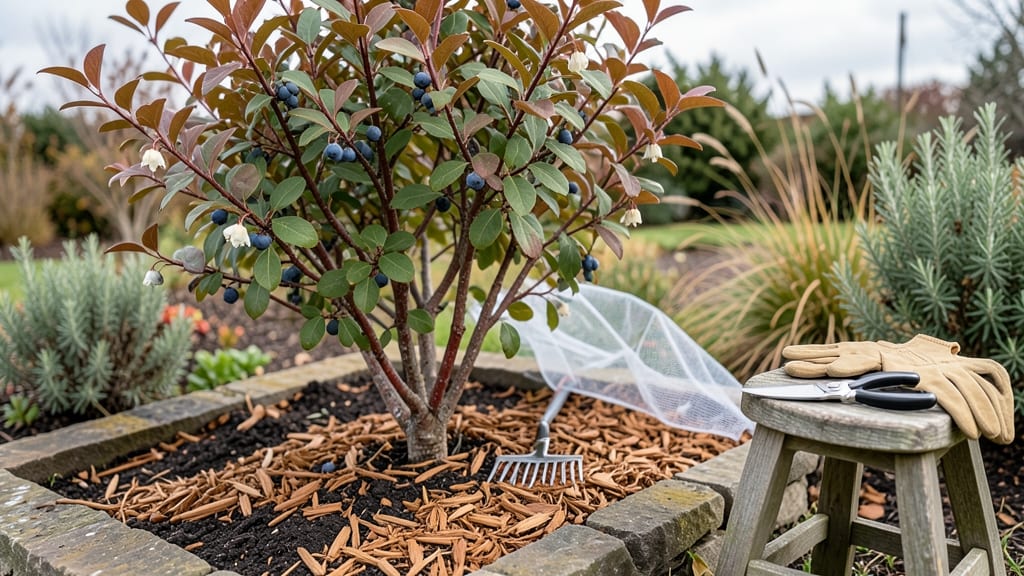
Preparing blueberry bushes for winter isn’t just about survival—it's about setting them up for shockingly lush harvests next summer. 🌱 I learned the hard way that skipping this step means weak canes, fewer berries, and plants struggling to bounce back from frost. The right prep transforms your bushes from frost-sensitive to frost-proof. Start with late-winter pruning (after the worst cold passes) to remove dead wood and shape the plant. Then add 3-4 inches of mulch around the base—this insulates roots and keeps moisture where it belongs. For young bushes, wrap the canes in burlap if your zone dips below 10°F. The payoff? Bushes that push out stronger growth in spring, resist disease better, and produce more berries than unprotected plants. Even in cold climates, these steps make the difference between a decent harvest and a jaw-dropping one. Here's where it gets interesting—cold-hardy varieties (like 'Patriot' or 'Jersey') need less fuss than tender types. And avoid these mistakes: over-mulching (which suffocates roots) or pruning too late (which invites pests). Let's get those bushes winter-ready!
📚 In This Guide
- What you need
- Instructions
- Tips and common mistakes
- Wrapping up and next steps
What you need
- ● Pruning shears or loppers – Sharp, clean, and sterilized (1 pair). Opt for bypass pruners for precision cuts.
- ● Garden gloves – Heavy-duty, cut-resistant (1 pair) to protect your hands from thorns and debris.
- ● Mulch – 3–4 inches of organic mulch (e.g., straw, pine needles, or shredded leaves) per bush. Avoid fresh wood chips, as they can compact and harm roots.
- ○ Fertilizer (optional but helpful) – A low-nitrogen, high-potassium fertilizer (e.g., 5-10-10 or 0-0-50) to boost winter resilience. Apply 1–2 tablespoons per bush in early fall.
- ● Watering can or hose – For deep watering before the first frost (aim for 1–2 inches of water per week until the ground freezes).
- ● Row cover or frost cloth – 5x7 ft or larger, breathable fabric (e.g., frost blanket) to protect young or tender bushes in harsh climates.
- ○ Stakes or small rocks – To secure row covers in windy areas (optional but handy).
- ● Antitranspirant spray – A protective coating (e.g., Wilt-Pruf) to shield leaves from winter burn in Zone 5 or colder.
- ● Soil thermometer – To monitor ground temps and time mulching/covering just before freezing.
- ● Compost or aged manure – A 1–2 inch layer mixed into the soil in early spring to replenish nutrients.
- ● Bird netting – If local wildlife (e.g., raccoons, deer) raids your bushes in winter.
Instructions: preparing blueberry bushes for winter
Here's how to protect your bushes through frost while keeping next year's harvest strong.
✂️ Step 1: Prune for Airflow and Shape
Start pruning 6-8 weeks before your first frost when temperatures stay above 40°F for the day. Remove any dead, diseased, or crossing branches first—these compete with healthy growth and invite pests. I always start with the largest canes, cutting them back to the base if they're completely dead or damaged. This opens the center of the bush for better airflow and sunlight penetration.
Next, thin out crowded branches to improve light exposure. Aim to keep the bush open and vase-shaped, with no branches touching. Cut back any suckers growing from the base—they drain energy from fruit production. Use clean, sharp pruners to make cuts at a 45-degree angle just above a bud that faces outward. This ensures new growth will fill the center rather than sprawl outward.
🌿 Step 2: Apply Organic Mulch to Insulate Roots
Spread a 3-4 inch layer of organic mulch—like shredded bark or pine needles—around the base of the bush, keeping it 6 inches away from the trunk. I use what I have on hand: pine straw in the South, wood chips in the North, or even a thick layer of fallen leaves. The goal is to insulate roots from extreme temperature swings while retaining moisture.
Mulch breaks down over winter, adding nutrients to the soil. Avoid using fresh sawdust or wood chips that haven't aged—these can rob nitrogen as they decompose. If your soil is acidic (blueberries need 4.5-5.5 pH
Give your bushes a thorough watering 2-3 weeks before the first frost, soaking the soil to a depth of 12-18 inches. You'll know it's enough when water runs out the drainage holes if your bushes are in containers, or when the soil feels damp down to your forearm if planted in the ground. This deep watering helps the plant store moisture for winter and prevents early spring drought stress. I like to water in the late afternoon so the foliage has time to dry before evening. Wet leaves left overnight invite fungal diseases like botrytis, which can overwinter and attack new growth in spring. After watering, let the surface dry slightly—this creates a natural barrier against some soil-borne pathogens. If your area gets heavy snow, the moisture will help buffer roots from extreme cold. If you've planted blueberries in the last 1-2 years, they need extra winter protection. Wrap the entire bush in burlap or frost cloth, securing it loosely with twine or stakes. For container-grown bushes, move them to a sheltered spot against a south-facing wall or under an overhang. This blocks harsh winds while still allowing sunlight to penetrate. I've seen young bushes completely desiccated by winter winds—it's heartbreaking. A simple frame covered with clear plastic (like a mini greenhouse) works too, but remove it on warm days to prevent overheating. For established bushes in harsh climates (Zone 4 or colder), mound an extra 6-8 inches of mulch around the base. This creates an insulating blanket that can make a 10°F difference in root zone temperatures. Check your bushes monthly during winter, especially after heavy snowfall or ice storms. Shake off accumulated snow gently—too much weight can break branches. If you see signs of rodent activity (chewed bark or nests in the mulch), scatter gravel or hardware cloth around the base. Mice and voles love gnawing on blueberry bark, and a single winter's damage can kill a young bush. In late winter (4-6 weeks before last frost), inspect for winter burn—brown, crispy edges on leaves or tips. This happens when bushes dry out too much in cold winds. If you see it, give the roots a drink of water mixed with a 1/4 cup of Epsom salt per gallon (magnesium helps with cold stress). This is your cue to start planning spring fertilization—blueberries are hungry after winter and need nutrients to push new growth.💧 Step 3: Deep Water Before Ground Freezes
☀️ Step 4: Protect Young Bushes and New Plantings
⏰ Step 5: Monitor and Adjust Through Winter
Tips & tricks for winterizing blueberry bushes
Here's what nobody tells you about prepping blueberries for frost—these details make all the difference between a bush that thrives and one that struggles.
Pruning Precision: When you're 6-8 weeks out from frost and temperatures stay above 40°F, take your time with the pruning. I've learned the hard way that rushing leads to uneven cuts—always make those 45-degree angles just above outward-facing buds. This isn't just about aesthetics; it's about directing next year's growth pattern. Use a sharp pair of pruners and make clean cuts to prevent tearing that can invite disease. The goal is to create a vase shape that catches sunlight from all angles.
Mulch Layering Strategy: That 3-4 inch layer of organic mulch isn't just for show—it's your bush's winter blanket. I've found that pine straw works beautifully in southern climates because it breaks down slowly, while wood chips are better for northern areas where they insulate better against freezing. The key is keeping it 6 inches away from the trunk to prevent rot. For extra protection in Zone 4 and colder, add that additional 6-8 inches of mulch—it can mean the difference between survival and winter burn.
Watering Wisdom: The deep watering 2-3 weeks before frost is critical, but timing matters just as much. I always water in the late afternoon so foliage has time to dry overnight. This prevents fungal diseases that can overwinter and attack new growth in spring. A good test is to water until it runs out drainage holes (for containers) or until your forearm feels damp when buried in the soil. This ensures the roots have plenty of moisture stored for winter while preventing waterlogged conditions that can cause root rot.
Winter Monitoring: Don't just set it and forget it! Monthly winter checks are your best defense against winter damage. After heavy snowfall, gently shake off accumulation to prevent branch breakage. I keep an eye out for rodent activity too—scattering gravel around the base has saved several young bushes from vole damage. And that late winter inspection for winter burn? It's your early warning system for spring planning. If you see those crispy edges, it's time to give the roots a magnesium boost with Epsom salt solution.
Pro Tips for Preparing Blueberry Bushes For Winter
- Here's what nobody tells you about prepping blueberries for frost—these details make all the difference between a bush that thrives and one that struggles.
- Pruning Precision: When you're 6-8 weeks out from frost and temperatures stay above 40°F, take your time with the pruning.
- Mulch Layering Strategy: That 3-4 inch layer of organic mulch isn't just for show—it's your bush's winter blanket.
Frequently asked questions
Got questions about winterizing your blueberry bushes? You’re not alone! Here are some of the most common concerns—and straightforward answers—to help you prep like a pro.
When is the best time to start preparing blueberry bushes for winter?
Start 4–6 weeks before the first hard frost in your area (typically late fall). This gives your bushes time to harden off naturally. Focus on pruning, mulching, and protecting young plants first. If you’re in a mild climate, wait until temperatures dip consistently below freezing.
Do I need to cover my blueberry bushes for winter?
It depends! Mature bushes (3+ years old) usually handle winter well, but young plants, newly planted bushes, or varieties sensitive to cold (like rabbiteye) benefit from protection. Use burlap, frost cloth, or straw loosely around the base—avoid plastic, which traps moisture and causes rot.
What’s the difference between winterizing highbush vs. lowbush blueberries?
| Highbush Blueberries | Lowbush Blueberries |
|---|---|
| More cold-hardy (zones 4–7); focus on mulching deeply (4–6 inches) and pruning to improve airflow. | Hardier (zones 3–6); prioritize covering with evergreen boughs or straw to shield from windburn and frost heave. |
| Prune in late winter/early spring to avoid stressing the plant before dormancy. | Prune after harvest (summer) to encourage next year’s crop. |
Can I fertilize my blueberry bushes in the fall?
No—avoid fertilizing after mid-summer. Fall feeding encourages tender new growth that won’t survive frost. Instead, side-dress with compost or aged manure in early spring (when soil is workable). Blueberries thrive with acidic soil (pH 4.5–5.5), so test your soil in fall and amend with sulfur if needed.
What do I do if my blueberry bush leaves turn brown or crispy before winter?
Brown, crispy leaves are often a sign of drought stress, fungal issues (like mummy berry), or late-season heat. Before winterizing:
- Remove all dead leaves (but leave some healthy foliage for protection).
- Water deeply 1–2 weeks before frost to hydrate roots.
- Apply a 2–3 inch layer of mulch to insulate roots and retain moisture.
- Check for pests (like spider mites) and treat with neem oil if needed.
Most bushes bounce back in spring—just give them a little TLC!
Still stumped? Drop your question below—we’re happy to help your blueberries survive (and thrive!) through winter.
Wrapping up and next steps
Preparing your blueberry bushes for winter is a small effort that pays off big time with healthier plants and bigger harvests next season! By pruning, mulching, protecting young plants, and ensuring proper hydration, you’re setting your bushes up for success—even when frost rolls in. 🌟
Now that you’re armed with these five key steps, take action before the first freeze! Grab your tools, check your garden, and give your blueberries the cozy winter prep they deserve. Your future self (and your taste buds) will thank you!