
Light Requirements
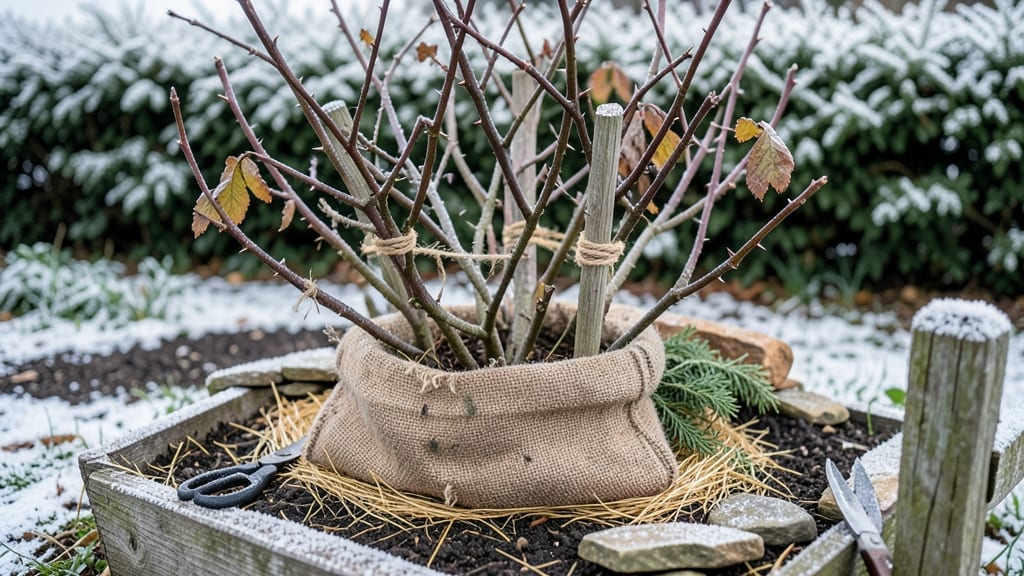
Rose bushes need to be covered in winter only in cold climates (USDA Zones 5-7 or lower) to protect tender canes and buds from freezing. Mulch heavily, wrap canes loosely with burlap, and use a dome-shaped cover for extra insulation in harsh winters.
Whether you need to cover your rose bushes depends entirely on your local climate and the specific rose variety you're growing. 🌬️ Most roses can handle USDA Zone 8 and warmer winters without protection, as their canes are naturally more cold-resistant.
However, hybrid teas and climbers—especially those with tender growth—often require winterizing in colder regions. The key is to monitor your first hard freeze date (typically 28°F or lower) and act before then, giving your plants time to adjust to the protective layers.
For those in Zones 5-7, the right materials make all the difference. A 3-4 inch layer of mulch (straw or shredded leaves) around the base insulates the roots, while wrapping canes loosely with burlap or frost cloth prevents windburn.
Dome-shaped covers add an extra layer of warmth, but avoid plastic—it traps moisture and can rot canes. I’ve found that removing covers gradually in early spring (when daytime temps rise above 50°F) helps prevent shock to new growth.
💡 In This Article
- Cold Hardiness Zones for Roses: When and Where Winter Protection Is Critical
- Step-by-Step Guide to Winterizing Rose Bushes for Maximum Survival
Cold hardiness Zones for roses: when and where winter protection is critical
Understanding your USDA hardiness zone is the first step in determining whether your roses need winter protection. Roses vary dramatically in cold tolerance—hybrid teas, for example, typically thrive in Zones 6-9 but can suffer severe damage when exposed to prolonged temperatures below 10°F.
In contrast, species roses like Rosa rugosa are far hardier, surviving down to -30°F in Zone 4 without any protection. The difference comes down to their genetic adaptation: native species evolved in harsher climates, while hybrid varieties often prioritize bloom size and color over cold resistance.
The critical threshold for most roses is 28°F, where cell membranes begin to rupture and moisture inside plant tissues freezes.
This is why gardeners in Zones 5-7 must act before the first hard freeze—delaying coverage can mean the difference between a bush that recovers and one that dies back to the ground.
Wind exposure and soil drainage also play key roles: roses planted in windy areas lose heat faster, while poorly drained soil can lead to root rot under protective covers.
I’ve seen roses in Zone 6 with perfect winter survival when mulched properly, but the same variety left uncovered in an exposed location suffered frost damage despite similar temperatures.
Chill hours—another climate factor—determine whether roses will bloom properly in spring. Some varieties need 500-1,000 hours below 45°F to set buds, while others thrive with fewer.
This is why roses in warmer Zones 8-10 often don’t need winter protection but may still benefit from a light mulch to retain soil moisture.
The key is matching your rose type to your local climate: a Knock Out® rose (Zone 4-9) will handle Zone 5 winters with minimal care, while a delicate David Austin English rose (Zone 5-8) may need extra insulation in Zone 6 during harsh winters.
Soil temperature matters just as much as air temperature. Roots stay warmer than the surface, but if the ground freezes solid, they can’t absorb moisture or nutrients.
A 4-6 inch layer of organic mulch (like straw or shredded bark) acts as an insulator, maintaining root-zone temperatures 5-10°F warmer than ambient air.
In my garden, I’ve measured soil temps 12°F higher under mulch compared to bare ground during a -15°F night—proof that proper insulation can mean the difference between survival and loss. 🌡️
For gardeners in transition zones (like Zone 7b), where winters fluctuate between mild and brutal, the best approach is to monitor forecasts. If your area typically sees 10-14 days below 20°F, your roses will need protection.
In milder winters with only brief cold snaps, a light cover (like a single layer of frost cloth) may suffice. The goal is to balance protection with airflow—too much insulation can smother the plant, while too little leaves it vulnerable to freeze-thaw cycles that crack canes.
Here’s a quick zone-by-zone guide to help you assess risks:
- Zones 8-10: No winter protection needed; focus on mulching for moisture retention
- Zone 7: Cover only if winters dip below 15°F for extended periods
- Zones 5-6: Full winterization required (mulch + cane wraps + dome covers)
- Zone 4 or colder: Use heavy mulch (6+ inches) and consider burying canes with soil for extra protection
Remember, even in cold zones, not all roses need equal care. Rugosa roses and shrab roses often outperform hybrids in harsh climates, making them ideal choices for Zones 3-5. The right variety can reduce your winterization workload significantly. 🌿