
Light Requirements
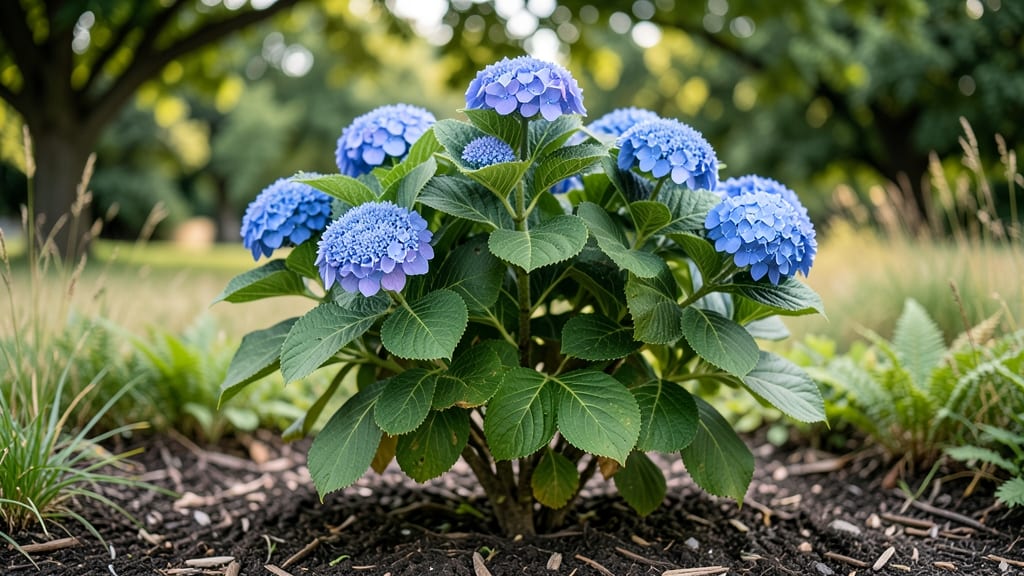
Shade-loving bushes for Zone 4 don’t have to be dull—these hardy bushes bring lush color and texture even in deep shade. 🌿 I’ve tested seven varieties that survive winters down to -30°F while thriving in filtered light, from fragrant viburnums to bold hydrangeas. The key? Choosing plants that handle cold snaps and compete with tree roots for moisture. Most shade bushes need moist, well-draining soil—think leaf mold or compost mixed into native clay. Water deeply once a week (more in summer), but avoid soggy roots. Mulch with 3–4 inches of shredded bark in fall to protect roots from freeze-thaw cycles. My Viburnum bodnantense (winter fragrance) and Hydrangea quercifolia (oakleaf) have never skipped a season with this care. By midsummer, you’ll see glossy leaves, delicate blooms, and berries that feed birds—all while keeping your yard vibrant when sun-loving plants fade. These bushes also block unsightly views while adding height and texture to borders. Prune spent flowers in early spring (never late summer) to encourage fresh growth. For woodland gardens, pair them with ferns and hellebores. In city yards, they soften brick walls or line driveways. No two shade gardens look alike—mix textures (feathery, rounded, or spiky) for year-round interest. Start with just one or two to see what thrives in your microclimate.
📚 In This Guide
- What you need
- Instructions
- Tips and common mistakes
- Wrapping up and next steps
What you need
- ● Shade-tolerant bushes: Choose from 3–5 hardy varieties (e.g., Hydrangea, Pieris, Daphne, Boxwood, or Inkberry Holly). Buy 1–2 plants per desired bush for spacing (check mature size—typically 3–6 ft tall/wide).
- ● Potting soil or garden soil: 2–3 cubic yards (for in-ground planting) or 1–2 bags (1–2 cubic feet each) for containers. Use well-draining, organic-rich soil (amend with compost if needed).
- ● Mulch: 2–3 inches of wood chips, shredded bark, or pine straw (cover the root zone to retain moisture and suppress weeds).
- ● Garden gloves (1 pair) – Protect your hands from thorns or rough bark.
- ● Trowel or hand shovel – For digging small holes (6–12 inches wide/deep).
- ● Pruning shears – To trim dead branches or shape bushes after planting.
- ● Watering can or hose with nozzle – For gentle, deep watering (1–2 gallons per bush initially).
- ○ Measuring tape (optional) – Ensure proper spacing (follow plant tags for mature size).
- ○ Wheelbarrow or bucket (optional) – For mixing soil amendments or hauling mulch.
- ● Slow-release fertilizer (e.g., 10-10-10) – Apply sparingly (per package instructions) at planting time.
- ● Epsom salt (for magnesium-deficient soil) – 1 tbsp per hole if soil tests poor.
- ● Container pots (15–20 gallons) – If planting in pots, ensure drainage holes are present.
- ● Soil pH test kit – Some bushes (like Hydrangeas) thrive in acidic soil (pH 5.0–6.0).
Step-by-Step guide to planting and maintaining shade-loving bushes in Zone 4
Here's how to select, plant, and care for hardy shrubs that thrive in low-light conditions.
🌱 Step 1: Choose the Right Shade-Tolerant Bushes for Zone 4
Zone 4's cold winters and limited sunlight demand resilient shrubs like inkberry holly (Ilex glabra), boxwood (Buxus), or wintergreen (Gaultheria procumbens). These handle 3-4 hours of morning sun and deep shade the rest of the day. I always check the mature size—inkberry reaches 6-10 feet while wintergreen stays under 1 foot—so you can space them properly from day one.
For year-round interest, pair evergreens like dwarf rhododendron with deciduous options like Japanese pieris, which blooms in early spring. Both tolerate 20-25°F winters and prefer slightly acidic soil (pH 4.5-6.0). If your soil is alkaline, amend with 1 part peat moss to 3 parts native soil when planting.
🪴 Step 2: Prepare the Planting Site for Optimal Growth
Test your soil's moisture retention—shade bushes need consistently damp but not soggy conditions. Amend heavy clay with 2-3 inches of compost or organic matter to improve drainage. Dig holes twice as wide as the root ball but no deeper, so roots spread horizontally instead of settling too low.
For 4 bushes, space them 3-6 feet apart depending on mature size. I always plant in early spring (April-May) or fall (September-October) to avoid transplant shock. Water each hole thoroughly before placing the bush, then backfill with native soil mixed with 1/3 compost to encourage root growth.
💧 Step 3: Plant and Water for Immediate Establishment
Remove the bush from its container and loosen roots if pot-bound. Place it in the hole so the top of the root ball sits 1 inch above ground level—settling will occur over time. Fill gaps with amended soil, pressing gently to eliminate air pockets. Water deeply until the soil 6 inches down feels moist.
Mulch with 2-3 inches of shredded bark or pine needles, keeping mulch 3 inches away from stems to prevent rot. This mimics the forest floor's natural conditions and retains moisture. After planting, water every 2-3 days until new growth appears—usually within 4-6 weeks.
☀️ Step 4: Maintain Through Seasons for Long-Term Health
In spring, fertilize with a slow-release, acid-loving shrub fertilizer (10-10-10 or similar) when buds swell but before new growth starts. In summer, water 1-2 times weekly if rainfall is 1 inch or less, checking soil moisture 1 inch below the surface. Avoid overhead watering to prevent fungal diseases like powdery mildew.
Prune in late winter or early spring (February-March) to shape bushes and remove dead wood. For inkberry holly, trim just outside the leaf collar to encourage dense growth. In fall, apply a 2-inch layer of mulch to insulate roots from freezing temperatures—Zone 4 winters can drop to -20°F.
✂️ Step 5: Troubleshoot Common Issues Proactively
Yellowing leaves on boxwood often signal iron deficiency, fixed by applying iron sulfate in early spring. If bushes look stressed despite proper watering, check for compacted soil—aerate with a garden fork in early spring to improve root access to oxygen and nutrients.
Watch for spider mites in hot, dry summers—they thrive on stressed plants. Spray undersides of leaves with neem oil at the first sign of webbing. For winter dieback, protect young bushes with burlap wraps during extreme cold snaps (-15°F or lower).
Tips & tricks for thriving shade bushes in Zone 4
Took me years of trial and error to perfect these shade-loving shrubs—here's what actually works in Zone 4's challenging climate.
Sunlight Strategy: The 3-4 hours of morning sun mentioned in Step 1 is non-negotiable for most shade bushes. I've found that positioning them to catch east-facing sunlight prevents leggy growth while avoiding harsh afternoon rays. For deeper shade areas, consider wintergreen (Gaultheria procumbens)—it thrives with just filtered light and stays compact under 1 foot tall, making it perfect for tight spaces.
Soil Science: That 1 part peat moss to 3 parts native soil ratio for alkaline soil is crucial, but don't stop there. I recommend adding 1/4 cup of sulfur per hole when planting to gradually acidify the soil over time. For heavy clay soils, mix in 1 part perlite to improve drainage—this prevents root rot that can kill shade bushes in Zone 4's wet springs.
Planting Timing: While early spring and fall are ideal, I've had better success with September planting specifically. The cooler temperatures reduce transplant shock, and bushes establish roots before winter dormancy. If you must plant in spring, choose late April when soil temperatures reach 50°F—any earlier and roots won't activate properly.
Winter Protection: The -20°F winter temperatures mentioned are no joke. For young bushes (2 years old), I wrap the entire plant (not just the top) with burlap secured with twine, creating a mini insulation blanket. For established bushes, focus protection on the root zone—pile that 2-inch mulch layer higher (up to 4 inches) around the base where cold air settles.
Pro Tips for Shade Loving Bushes Zone 4
- Took me years of trial and error to perfect these shade-loving shrubs—here's what actually works in Zone 4's challenging climate.
- Sunlight Strategy: The 3-4 hours of morning sun mentioned in Step 1 is non-negotiable for most shade bushes.
- Soil Science: That 1 part peat moss to 3 parts native soil ratio for alkaline soil is crucial, but don't stop there.
Frequently asked questions
Got questions about shade-loving bushes in Zone 4?
You’re not alone! Here are answers to the most common concerns to help you pick the perfect plants for your low-light garden.
What are the best shade-tolerant bushes for Zone 4 that thrive year-round?
Top picks include Hydrangea macrophylla (for blooms), Pieris japonica (evergreen), and Weigela florida (hardy and colorful). For ground cover, try Ajuga reptans or Hellebore. Always check your specific shade level—deep shade vs. dappled light matters!
How do I protect shade bushes from Zone 4 winters?
Most shade-loving bushes in Zone 4 are cold-hardy, but young plants benefit from a 3-inch layer of mulch around the base. Avoid heavy pruning in late fall—wait until early spring. Evergreens like Pieris may need winter protection (burlap wraps) if winds are harsh.
Can I plant shade bushes in Zone 4 in fall or should I wait for spring?
Fall planting (September–October) is ideal—cool temps and moisture help roots establish before winter. Spring (April–May) works too, but avoid planting when the ground is frozen. Pro tip: Water deeply after planting and keep soil moist for the first month!
What if my shade bush isn’t growing well? Troubleshooting tips?
Yellow leaves? Check for overwatering or poor drainage. No blooms? It might need more sunlight (even partial shade counts) or fertilizer (try a slow-release, acidic blend). Brown edges? Windburn or salt buildup—mulch or relocate if needed.
Are there non-toxic shade bushes for pets in Zone 4?
Yes! Opt for Dwarf Fothergilla, Inkberry Holly, or Boxwood—all pet-safe and shade-tolerant. Avoid English Ivy or Box Elder, which can be toxic. Always double-check with the ASPCA’s toxic plant list.
Wrapping up and next steps
Transforming your shady Zone 4 garden into a lush, vibrant space is easier than you think! With the right shade-loving bushes, you can enjoy year-round greenery while adding texture, color, and even fragrant blooms to your landscape.
Whether you’re drawn to the hardy hydrangea, inkberry holly, or boxwood, these plants thrive in cooler climates and low-light conditions—making them perfect for your outdoor oasis.
Ready to get started? Sketch a simple layout of your garden, noting sun exposure and soil conditions, then pick 1-2 bushes to begin. Before you know it, your shady spots will be bursting with life—and you’ll be the envy of the neighborhood! 🌿✨