
Shrubs
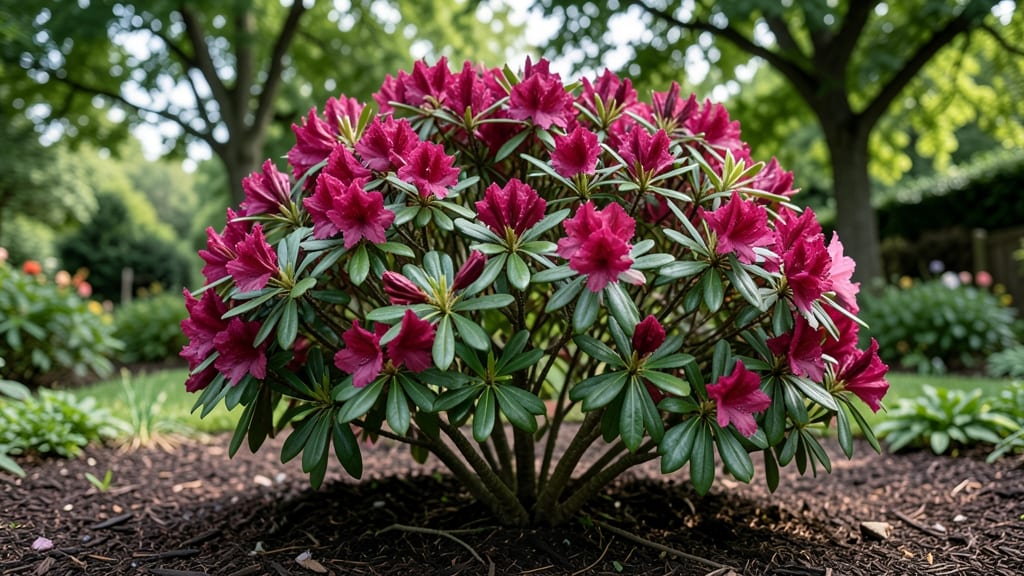
Outdoor azalea bushes bring vibrant spring blooms with almost no fuss—just the right spot and a little seasonal TLC. 🌸 I planted mine last spring, and now they’re the star of my shade garden, thriving where hostas would struggle. The key?
Acidic soil, morning sun, and a watering routine that mimics nature’s rhythm. Most varieties bloom for 4-6 weeks in spring, but some rebloom in fall with proper care. My ‘Girard’s Pink’ azaleas put on a second show in September, and the fragrance lingers for hours.
The secret is feeding them in early spring and avoiding heavy pruning—just shape them after blooms fade to encourage next year’s flowers. You’ll love how these shrubs stay lush and green all summer, then burst into color again when others are dormant.
They handle partial shade better than full sun, and their evergreen foliage adds winter interest too. Perfect for foundation plantings, woodland gardens, or as a low-maintenance hedge. Here’s the game-changer: they’re drought-tolerant once established, so once you get them settled, you’ll barely need to think about them.
Let’s get yours growing!
📚 In This Guide
- What you need
- Instructions
- Tips and common mistakes
- Wrapping up and next steps
What you need
- ● Azalea plants: 3–5 healthy nursery-grown Rhododendron (azalea) bushes, sized 1–3 gallons (mature height: 3–6 ft, depending on variety).
- ● Well-draining soil: 2–3 bags of acidic potting mix (pH 4.5–6.0) or peat moss (1–2 cubic yards for in-ground planting).
- ● Organic mulch: 2–3 bags of pine bark fines or pine straw (preserves soil acidity and moisture).
- ● Slow-release fertilizer: 1 bag of azalea-specific fertilizer (e.g., 10-10-10 or 8-3-9 with micronutrients).
- ● Garden tools: Trowel or hand shovel
- ● Pruning shears (sterilized)
- ● Garden gloves
- ● Watering can or hose with a gentle spray nozzle
- ● Location: Partially shaded spot (3–6 hours of morning sun; avoid harsh afternoon rays).
- ● Soil pH test kit – Ensures your soil stays in the ideal acidic range.
- ● Epsom salt – Boosts magnesium for vibrant blooms (1 tbsp per plant, monthly during growing season).
- ● Drip irrigation system – Automates watering for consistent moisture.
- ● Decorative rocks or bark – Enhances mulch aesthetics and deters weeds.
- ● Fungicide (copper-based) – Prevents powdery mildew in humid climates.
Step-by-step guide to planting and caring for outdoor azalea bushes
Here’s how to establish healthy, vibrant azaleas that reward you with seasonal blooms for years.
🪴 Step 1: Choose the Perfect Planting Location
Azaleas thrive in partial shade, with morning sun and afternoon shade ideal for most varieties. Avoid harsh afternoon sun, which can scorch delicate leaves. I always test the spot by observing how much light it gets—if the area stays dry and sunny past noon, it’s too intense. A location with acidic, well-draining soil (pH 4.5-6.0) is critical; azaleas refuse to grow in alkaline soil.
Dig a hole twice as wide as the root ball but only as deep. Loosen the sides of the hole to encourage root spread. If your soil isn’t naturally acidic, mix in 2-3 inches of peat moss or pine needles into the bottom of the hole—this mimics their native woodland habitat. Place the azalea so the top of the root ball sits 1 inch above ground level to prevent rot.
🌱 Step 2: Plant and Water for Immediate Root Establishment
Gently remove the azalea from its container and tease the roots outward if they’re circling. Place it in the hole and backfill with the amended soil, pressing lightly to eliminate air pockets. Water deeply right after planting—this settles the soil and removes air gaps that can strangle roots. Use 1-2 gallons of water per bush, enough to soak the root zone to a depth of 12 inches.
Mulch around the base with 2-3 inches of pine bark or wood chips, keeping it 6 inches away from the trunk to prevent rot. Azaleas hate competition, so remove any weeds or grass within a 2-foot radius. Over the next 2 weeks, water every other day to help roots establish. You’ll know they’re settling in when new growth appears in 3-4 weeks.
☀️ Step 3: Feed and Maintain for Seasonal Blooms
Feed azaleas twice a year with an acid-loving plant fertilizer (look for high phosphorus for blooms). Apply the first dose in early spring as buds form, and the second in late summer after flowering. I use a slow-release granular fertilizer to avoid burning roots—follow the package rate for 4 bushes. Water deeply before and after feeding to help nutrients reach the roots.
Azaleas need consistent moisture but hate soggy soil. Water 1-2 times per week during dry spells, aiming for 1 inch of water per week. Check soil moisture by sticking your finger 2 inches deep—if it’s dry, water thoroughly. In winter, reduce watering unless temperatures drop below 20°F, then give a light drink to prevent desiccation.
✂️ Step 4: Prune for Shape and Health (With Minimal Effort)
Prune azaleas right after flowering (late spring) to shape the bush and encourage next year’s blooms. Remove dead, crossing, or weak branches first—these compete with healthy growth. Cut back overly long branches by ⅓ to maintain a natural shape. I avoid heavy pruning; azaleas bloom on old wood, so drastic cuts reduce flowers.
Use clean, sharp pruners to make cuts at a 45-degree angle just above a leaf node. Sterilize tools with rubbing alcohol between cuts to prevent disease spread. If your azalea gets leggy, prune selectively—never shear into a ball shape, as this stresses the plant. After pruning, apply a light mulch to retain moisture and suppress weeds.
Tips & tricks for perfect outdoor azalea bushes
These simple strategies will help your azaleas thrive with minimal effort and maximum beauty.
Soil Test First: Before planting, test your soil's pH using a simple kit from your local garden center. Azaleas are fussy about acidity—aim for that 4.5-6.0 range. If your soil tests higher, mix in 2-3 inches of sulfur into the planting hole and retest in 2-3 months. I've seen azaleas struggle in alkaline soil even when planted with peat moss, so don't skip this step. The right pH makes all the difference for those vibrant blooms we're after.
Root Establishment Hack: After planting, create a small watering well around the base of the bush by pressing your finger into the soil to create grooves. This directs water straight to the roots where it's needed most during those critical 2 weeks of root establishment. I've found this simple trick prevents water runoff and keeps the root zone consistently moist, which is exactly what young roots need to spread out properly.
Winter Watering Wisdom: When temperatures drop below 20°F, give your azaleas a light drink to prevent desiccation. Use a hose with a gentle spray nozzle to water slowly—this mimics natural snowfall and prevents soil from freezing. I've learned the hard way that frozen roots can't absorb water, so this small effort in winter pays off with healthier plants come spring.
Pro Tips for Outdoor Azalea Bushes
- These simple strategies will help your azaleas thrive with minimal effort and maximum beauty.
- Soil Test First: Before planting, test your soil's pH using a simple kit from your local garden center.
- Root Establishment Hack: After planting, create a small watering well around the base of the bush by pressing your finger into the soil to create grooves.
Frequently asked questions
Got questions about growing and maintaining outdoor azalea bushes? You’re not alone! Here are answers to the most common queries to help you keep your azaleas thriving with ease.
How often should I water my azalea bushes?
Azaleas prefer consistently moist—but not soggy—soil. Water deeply 1-2 times per week, depending on your climate. Newly planted bushes may need more frequent watering (every 3-4 days) until established. Mulch around the base to retain moisture and protect roots from extreme heat.
When is the best time to prune azalea bushes?
Prune azaleas right after flowering (late spring to early summer) to avoid cutting off next year’s blooms. Use clean, sharp shears to shape lightly—never trim more than 1/3 of the plant. Skip heavy pruning; azaleas bloom on old wood, so minimal trimming keeps them healthy and colorful.
Why aren’t my azalea bushes blooming?
Lack of blooms often stems from over-fertilizing with high-nitrogen (which promotes leaves over flowers) or poor sunlight. Azaleas thrive in partial shade (3–6 hours of sun). Also, check soil pH—azaleas need acidic soil (pH 4.5–6.0). A slow-release azalea-specific fertilizer in early spring can help.
What pests or diseases should I watch for?
Common issues include lace bugs (tiny pests causing yellow spots), powdery mildew (white fungal growth), and root rot (from overwatering). Neem oil or insecticidal soap tackles pests, while improving airflow and avoiding overhead watering prevents mildew. Drainage is key—amend heavy soil with peat moss or pine bark.
Can I grow azaleas in containers? How?
Yes! Choose a large container (at least 18 inches wide) with drainage holes and use acidic potting mix. Water regularly and fertilize monthly during growing season. Move containers to a sheltered spot in winter if temps drop below 10°F. Dwarf varieties like ‘Girard’s Pink’ are perfect for pots!
Wrapping up and next steps
Outdoor azalea bushes bring year-round beauty and low-maintenance joy to your landscape—whether you’re a seasoned gardener or just starting out. With the right location, soil care, and minimal pruning, these vibrant shrubs thrive with minimal effort while delivering stunning blooms and lush foliage.
Now that you’re equipped with the know-how, why not plant one today and enjoy the rewards of nature’s colorful masterpiece?
🌸 Next step: Pick your favorite azalea variety, grab your gardening gloves, and get ready to transform your outdoor space into a blooming paradise! 🌿