
Pruning
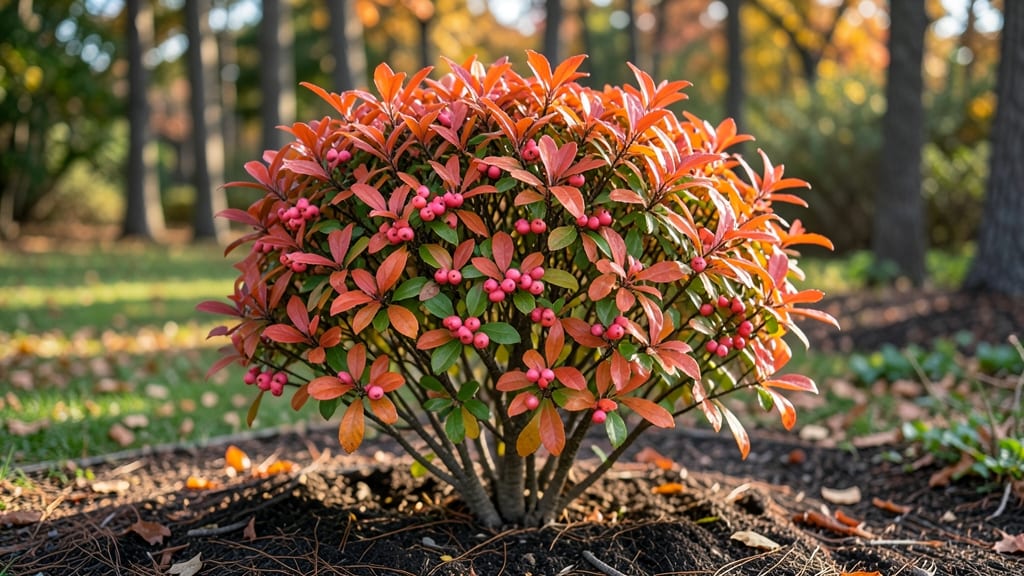
Pruning your burning bush compacta reveals its year-round color with less effort than you'd expect. 🌿 I've trimmed mine every season for years, and the secret isn't aggressive cuts—it's strategic timing and light shaping that keeps those fiery fall hues vibrant all year.
The plant practically rewards you for showing up. This compact shrub thrives on minimal maintenance, making it perfect for busy gardeners. It handles partial shade, tolerates most soils, and grows just 3-4 feet tall—ideal for small gardens or foundation plantings.
The key is pruning right after flowering to encourage fresh growth without sacrificing next year's color. What you'll end up with is a neat, colorful hedge that stays lush through winter. No shearing required—just a few strategic cuts to maintain shape and encourage those signature red stems.
The best part? It's disease-resistant and deer rarely bother it. Works in zones 4-8, making it versatile for most climates. Here's how to keep yours looking its best with almost no effort.
📚 In This Guide
- What you need
- Instructions
- Tips and common mistakes
- Wrapping up and next steps
What you need
- ● Hand pruners: Sharp, bypass-style pruners (for clean cuts on small branches). Recommended: Felco F-2 or similar.
- ● Loppers: For thicker branches (up to 1.5 inches in diameter). Look for: Ratcheting or bypass loppers with a 10-12 inch reach.
- ○ Gloves: Heavy-duty gardening gloves (protect against thorns and sap). Optional: Nitrile-coated for extra grip.
- ● Disinfectant: 70% isopropyl alcohol or a 10% bleach solution (to sterilize tools between cuts and prevent disease).
- ● Rake or leaf blower: For clearing fallen leaves/debris from the base (prevents fungal growth).
- ● Pruning saw: Only if needed for stubborn, thick branches (avoid if possible—this shrub thrives with light pruning!).
- ● Pruning sealant: For large cuts (e.g., Tree Seal Tape), though Burning Bush Compacta rarely needs it.
- ● Ladder: If your shrub is over 6 feet tall (this cultivar stays compact, but older plants may need reach).
- ● Trash bags: For collecting pruned branches (check local regulations—some areas ban yard waste in bins!).
- ● Plant food: Balanced 10-10-10 fertilizer (apply after pruning for a post-trimming boost).
- ● Choose a dry, calm day to prune (avoid rainy or windy conditions to reduce stress on the plant).
- ● Wear long sleeves and pants—Burning Bush Compacta has mild thorns!
- ● Identify dead, diseased, or crossing branches before starting (mark them with a flagging tape if unsure).
Step-by-step guide to pruning burning bush Compacta for vibrant year-round foliage
This is how I keep my Euonymus alatus 'Compacta' looking lush and colorful with minimal effort—no heavy-handed cuts required.
✂️ Step 1: Time Your First Prune for Late Winter or Early Spring
Prune your Compacta in late February to early March when new growth begins but before buds swell. This timing ensures you remove last year's dead stems while encouraging fresh, vibrant foliage for spring. I always check for leaf buds—they look like tiny green beads along the stems—and wait until they're clearly visible before cutting.
Use clean, sharp pruners to make 45-degree cuts just above a leaf node or outward-facing bud. Avoid cutting into old wood—you'll see this as smooth, brown stems without buds. If you accidentally cut too far, don't worry; Compacta is forgiving and will still produce color, just with slightly delayed growth.
✂️ Step 2: Remove Dead or Weak Stems First
Scan your bush for dead, diseased, or crossing branches—these are your first targets. Dead stems snap easily when dry and won’t bend; diseased ones may have black spots or ooze. Crossing branches rub against each other, creating wounds that invite pests. I like to remove up to 25% of the plant's total volume in this step, focusing on stems that are thinner than a pencil or growing inward.
Cut these stems back to healthy wood—look for green tissue just beneath the bark. If you’re unsure, make a small nick in the stem with your pruner; if green shows, it’s alive. Never leave stubs longer than ¼ inch, as they can rot and attract fungal issues. After removing these, your bush will look more open, which improves airflow and reduces future disease risk.
✂️ Step 3: Shape Lightly for Balance and Airflow
Now, step back and assess the bush’s natural shape. Compacta grows in a mounded, multi-stemmed form, so I avoid heavy shaping—just lightly trim to maintain its rounded silhouette. Focus on thinning out the center by removing a few of the oldest, woodiest stems at the base. This prevents the bush from becoming too dense and ensures sunlight reaches the inner branches.
For height control, I never cut more than ⅓ of the plant’s height in one season. If your Compacta is leggy, you can shorten the longest stems by up to half their length, but only if they’re over 3 feet tall. Always cut just above a leaf node or bud, and avoid "heading back" (cutting into old wood)—this can leave your bush looking bare for months.
🌿 Step 4: Light Maintenance Prunes Mid-Season
After the initial spring prune, your Compacta will need minimal touch-ups throughout the year. In late summer (August), I remove any spent flowers or seed pods—these drain energy from the plant. Use your fingers or small pruners to pinch off these growths at the base. This encourages the bush to redirect its energy into fall color production rather than seed development.
If you notice sparse or pale foliage on certain branches, trim those stems back by ⅓ to stimulate new growth. The goal here is selective pruning—only remove what’s necessary to keep the bush looking full and vibrant. Avoid pruning in fall or winter, as new growth won’t harden off before cold weather, leaving it vulnerable to frost damage.
✂️ Step 5: Clean Up and Prep for Next Year
After the growing season winds down, late October to early November is the time to do a final cleanup. Rake up any fallen leaves or debris around the base of the plant—this prevents fungal diseases like powdery mildew from overwintering. I also sterilize my pruners with rubbing alcohol to kill any lingering pathogens before storing them.
If your Compacta has overly long or floppy branches, you can give them a light trim now, but avoid heavy cuts. The bush enters dormancy soon after, and pruning too late can stimulate weak growth that won’t survive winter. Instead, mark any problem areas with twine or flags so you can address them in the next spring prune. This small step saves time and keeps your bush looking intentional year-round.
Tips & tricks for perfect burning bush Compacta pruning
Here's how to elevate your pruning game and ensure your Compacta stays vibrant all year—these are the secrets I've learned after years of trial and error.
Timing is Everything: The late February to early March window is non-negotiable for that first prune. I've made the mistake of waiting too late and ended up with leggy growth that never recovered its compact shape. Look for those tiny green leaf buds—when they're clearly visible, that's your cue. If you miss this window, don't panic; just wait until buds begin to swell before pruning. The key is to catch it before new growth starts in earnest.
Tool Prep Makes All the Difference: Sterilizing your pruners with rubbing alcohol isn't just for show—it's a disease prevention game-changer. I sterilize after every cut when dealing with multiple plants, and especially after the final cleanup in late fall. Sharp tools are equally critical: dull pruners crush stems instead of making clean cuts, which invites infection. I keep a small file in my gardening toolkit to sharpen blades between uses. That ¼-inch stub limit isn't arbitrary—it prevents water from pooling and rotting the wound.
Visual Cues Over Guesswork: When assessing stems, trust your eyes more than your memory. Healthy wood shows green tissue when you make a small nick—this is your confirmation that the stem is alive. Diseased stems often have black spots or ooze, while dead ones snap easily. For crossing branches, imagine your bush's natural shape: any stems growing inward are creating congestion. I've found that removing just 25% of the plant's volume in Step 2 opens up the center dramatically, allowing sunlight to reach all those hidden branches that would otherwise remain pale and sparse.
Seasonal Maintenance Strategy: That August maintenance prune isn't just about tidiness—it's about color production. When you remove spent flowers and seed pods, you're telling the plant to focus its energy on fall foliage rather than seed development. I mark my calendar with a bright sticker for late October because that final cleanup prevents fungal issues that could ruin next year's display. The twine-and-flag system for marking problem areas has saved me countless hours of decision-making during the next spring prune.
Pro Tips for Burning Bush Compacta
- Here's how to elevate your pruning game and ensure your Compacta stays vibrant all year—these are the secrets I've learned after years of trial and error.
- Timing is Everything: The late February to early March window is non-negotiable for that first prune.
- Tool Prep Makes All the Difference: Sterilizing your pruners with rubbing alcohol isn't just for show—it's a disease prevention game-changer.
Frequently asked questions
Got questions about keeping your Burning Bush Compacta vibrant with minimal pruning? We’ve got answers! Here are some of the most common concerns—plus quick fixes to keep your shrub thriving year-round.
When is the best time to prune Burning Bush Compacta?
The ideal time is late winter or early spring (before new growth starts). This ensures you’re not cutting into next year’s blooms. Avoid pruning in fall—it can stimulate tender new growth that won’t survive winter. For light shaping, you can trim lightly after flowering in late summer, but keep it minimal!
How much can I trim without harming the plant?
You can safely remove up to one-third of the plant’s height or width in a single pruning session. For Burning Bush Compacta, this usually means trimming back 6–12 inches from the top or sides. Avoid over-pruning—this shrub thrives with a natural, layered look. Pro tip: Use sharp, clean shears to prevent jagged cuts that invite disease!
Why isn’t my Burning Bush Compacta turning red like it should?
Color intensity depends on sunlight, soil, and pruning timing. If your shrub is pale or green, it may need:
- More full sun (at least 6 hours daily).
- Well-draining, slightly acidic soil (pH 6.0–7.0).
- Avoiding heavy nitrogen fertilizers, which promote leafy growth over color.
Can I prune Burning Bush Compacta in winter?
It’s not recommended—winter pruning can expose tender new growth to cold damage or frost. However, if you must (e.g., for storm cleanup), prune only dead or broken branches and avoid heavy cuts. Wait until late winter (when temperatures stay above freezing) for full pruning. Pro tip: Cover cuts with pruning sealant if your climate is harsh!
Are there alternatives to Burning Bush Compacta for low-maintenance color?
Yes! If you love the Burning Bush Compacta’s compact size and fall color, consider these easy-care alternatives:
- Dwarf Fothergilla – Fragrant spring blooms + fiery fall foliage.
- Smokebush (Cotinus) – Silvery foliage and smoky plumes.
- Ninebark (Compacta varieties) – Tough, multi-season interest.
How often should I fertilize my Burning Bush Compacta?
Feed once a year in early spring with a balanced, slow-release fertilizer (like 10-10-10). Avoid high-nitrogen fertilizers—they encourage leafy growth at the expense of vibrant fall color. Pro tip: Mulch around the base (2–3 inches) to retain moisture and improve soil health!
Wrapping up and next steps
With the Burning Bush Compacta, you’ve got a low-maintenance powerhouse that rewards you with stunning color year-round—and minimal pruning effort! Remember, the key is timing (late winter or early spring) and precision (targeting dead or overgrown branches).
This shrub isn’t just beautiful—it’s a confidence booster for any gardener, proving that vibrant landscapes don’t require endless upkeep.
Ready to level up your garden game? Start by reviewing your tools (or grabbing a few new ones!) and bookmarking this guide for your next pruning session. Your Burning Bush Compacta will thank you with bold, fiery foliage all season long! 🌿✨