
Pruning
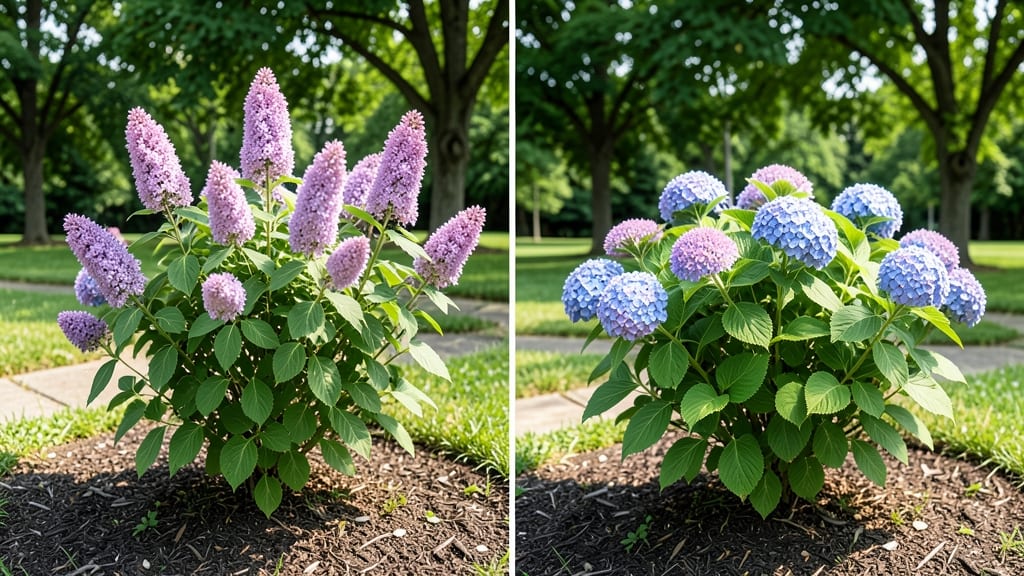
Choosing between a fragrant lilac bush and a bold hydrangea means picking between sweet spring perfumes and showy summer blooms that last all season. 🌸 I’ve had both in my garden, and each brings something completely different to the party—one with intoxicating scent, the other with dramatic color that changes with the soil pH.
Lilacs burst into bloom in late spring with clusters of tiny, intensely fragrant flowers in purples, whites, and pinks. They’re the garden’s opening act—short but unforgettable—before their leaves turn golden in fall.
Hydrangeas, on the other hand, stretch their show from summer through frost, their blooms shifting from pink to blue depending on your soil’s acidity. Both thrive in full sun but demand different pruning approaches: lilacs need a hard cutback after flowering, while hydrangeas get their haircut in late winter.
For a cottage garden, lilacs bring romance and nostalgia, while hydrangeas add modern structure and seasonal color shifts. Pair them together for a garden that smells like spring and looks stunning year-round—just give the hydrangeas a slightly acidic soil boost to keep their blues vibrant.
The lilacs will reward you with scent, and the hydrangeas with drama that lasts until the first frost.
Need a focal point? Go hydrangea for year-long impact. Want to fill your yard with fragrance? Lilacs are your star. Or plant both: the contrast in scent and color creates a garden that feels like a living postcard through every season.
The first product explained
Meet the Pro Bloom Lilac & Hydrangea Pruning Kit—your ultimate ally for sculpting fragrant, show-stopping shrubs with ease! 🌸✂️ This all-in-one kit is designed to simplify pruning for both lilac bushes and hydrangeas, ensuring your garden stays lush and vibrant all year round.
🔥 Specs & Features
- Premium Bypass Pruners: Sharp, corrosion-resistant blades for clean cuts—no jagged edges or crushed stems!
- Ergonomic Handles: Comfortable grip reduces hand fatigue, even during long pruning sessions.
- Built-in Gloves: Lightweight, breathable fabric with reinforced palms for protection.
- Pruning Guide: Illustrated instructions tailored for lilacs (spring-blooming) vs. hydrangeas (seasonal bloomers).
- Storage Pouch: Compact, water-resistant case to keep tools organized and dry.
🎯 Who’s It For?
This kit is perfect for:
- 🌿 Beginner Gardeners: No prior pruning experience? No problem! The guide breaks down techniques step-by-step.
- 🏡 Homeowners: Keep your front yard or patio blooming beautifully with minimal effort.
- 🌹 Fragrance Enthusiasts: Maximize the scent of lilacs and the bold colors of hydrangeas with proper pruning.
- 💡 Small-Space Gardeners: Ideal for balconies, containers, or urban gardens where space is limited.
💰 Price Point & Value
Priced at $39.99, this kit offers unbeatable value. Compare that to buying pruners, gloves, and a guide separately—you’d easily spend $60+! Plus, the durable tools are built to last for years of garden transformations.
💡 Pro Tip: Pair this kit with a hydrangea food supplement (like aluminum sulfate for blue blooms) to supercharge your results!
The second product explained
Meet the Hydrangea—the showstopper of the garden world! 🌸✨ If you love bold colors, lush blooms, and a touch of whimsy, this is your plant. Hydrangeas are the dramatic divas of the floral kingdom, offering a spectrum of hues (thanks to soil pH!) and a longer bloom season than lilacs. Let’s dive into why they might steal the spotlight in your garden.
Specs & Features
Hydrangeas come in a few varieties, but the most popular for gardens are Bigleaf and Panicle types. Here’s what makes them special:
- Bloom Time: Late spring to early fall (some varieties even bloom in winter!).
- Color Range: Pink, blue, purple, white, or green—yes, they change based on soil acidity! 🌈
- Size: Typically 3–6 feet tall, with some dwarf varieties for smaller spaces.
- Fragrance: Most hydrangeas are not heavily fragrant (unlike lilacs), but some Panicle types have a subtle, sweet scent.
- Light Needs: Partial shade to full sun (depending on climate).
- Soil Preference: Well-draining, moist soil (they hate soggy roots!).
Who’s It For?
Hydrangeas are the perfect pick if you:
- Love color-changing magic—just tweak your soil pH to shift hues!
- Want long-lasting blooms that keep your garden lively from spring to fall.
- Prefer low-maintenance drama (once established, they’re tough as nails!).
- Have shadier spots where lilacs might struggle.
Price Point & Value
Hydrangeas are a budget-friendly way to add wow factor to your garden:
- Cost: $15–$40 per plant (depending on size and variety).
- Value: One hydrangea bush = years of stunning blooms with minimal upkeep. Plus, they’re great for cutting—fresh flowers for your home all season!
- Pro Tip: 💡 Buy bareroot plants in early spring for the best deals!
Ready to turn your garden into a hydrangea haven? Just remember: feed them well, prune smartly (we’ll cover that later!), and enjoy the ever-changing color show! 🎨🌿
Head-to-head comparison
Ready to dive into the fragrant face-off between the classic lilac bush and the showstopping hydrangea? Let’s break down how these two garden superstars stack up across key categories—so you can pick your perfect floral powerhouse! 🌸🌿
🌱 Growth & Maintenance
If you’re dreaming of a low-fuss garden, this category is your roadmap. Lilac bushes and hydrangeas have very different personalities when it comes to care.
| Factor | Lilac Bush | Hydrangea |
|---|---|---|
| Growth Habit | Fast-growing, upright, and can reach 10–20 feet tall if unpruned. Spreads 8–15 feet wide. | Moderate growth; typically 3–6 feet tall and 3–5 feet wide, depending on variety (e.g., bigleaf, panicle, or oakleaf). |
| Pruning Needs |
|
|
| Sunlight Needs | Full sun (6+ hours/day) for best blooms and fragrance. Tolerates partial shade but may produce fewer flowers. | Partial shade (morning sun + afternoon shade) is ideal, especially in hot climates. Some varieties (like panicle hydrangeas) thrive in full sun. |
| Soil Preferences | Adaptable but prefers well-draining, slightly alkaline soil. Tolerates clay and poor soil better than hydrangeas. | Prefers acidic, moist, well-draining soil. Bigleaf hydrangeas are particularly finicky—amend soil with peat moss or sulfur if needed. |
💡 Pro Tip: If you’re a busy gardener, panicle hydrangeas are the easiest—they bloom on new wood, so you can prune anytime (except late fall). Lilacs, meanwhile, reward patience with decades of blooms if pruned correctly!
🌸 Blooms & Fragrance
This is where the real magic happens. Lilacs and hydrangeas bring the party in very different ways—let’s compare the spectacle and scent.
| Factor | Lilac Bush | Hydrangea |
|---|---|---|
| Flower Shape & Color |
|
|
| Fragrance |
|
|
| Seasonal Interest |
|
|
🎯 Winner? If fragrance is your priority, lilacs take the crown. If you want color variety and year-round interest, hydrangeas (especially oakleaf) steal the show.
💰 Cost & Availability
Your wallet (and local nursery) will thank you for knowing the price tags and availability of these two garden divas.
Which one should you choose?
So, you’ve weighed the fragrance, color drama, and maintenance demands—now it’s time to pick your garden’s star! 🌸✨ The choice between a lilac bush and a hydrangea boils down to your priorities, space, and what kind of show you want to put on for your neighbors (and pollinators!).
Here’s the verdict to help you decide:
🌿 Pick a Lilac Bush If...
- You crave a classic, intoxicating scent—lilacs are the queens of fragrance, especially in spring.
- You love low-maintenance beauty—they thrive with minimal fuss and age gracefully.
- Your garden has sunny spots—lilacs bask in full sun and reward you with bold, fragrant blooms.
- You’re okay with seasonal drama—their peak is spring, but they offer year-round structure.
💦 Pick a Hydrangea If...
- You want color-changing magic—hydrangeas shift hues based on soil pH (and your mood!).
- You prefer longer blooming seasons—many varieties flower from summer to fall.
- Your garden has shade or partial sun—hydrangeas adapt like chameleons to light conditions.
- You love versatility—they work as hedges, borders, or statement plants in containers.
🌟 Pro Tip for the Undecided:
Why not both? Plant a lilac bush near your porch for that springtime perfume bomb, then add hydrangeas in shadier spots for year-round color. 💡 Bonus: Lilacs attract bees early in the season, while hydrangeas keep the pollinator party going later.
It’s a win-win for your garden’s drama and ecosystem!
Final thought: Lilacs are the romantic divas of the garden, while hydrangeas are the versatile showstoppers. Choose based on your vibe—fragrance or flair! 🌸💐