
Pruning
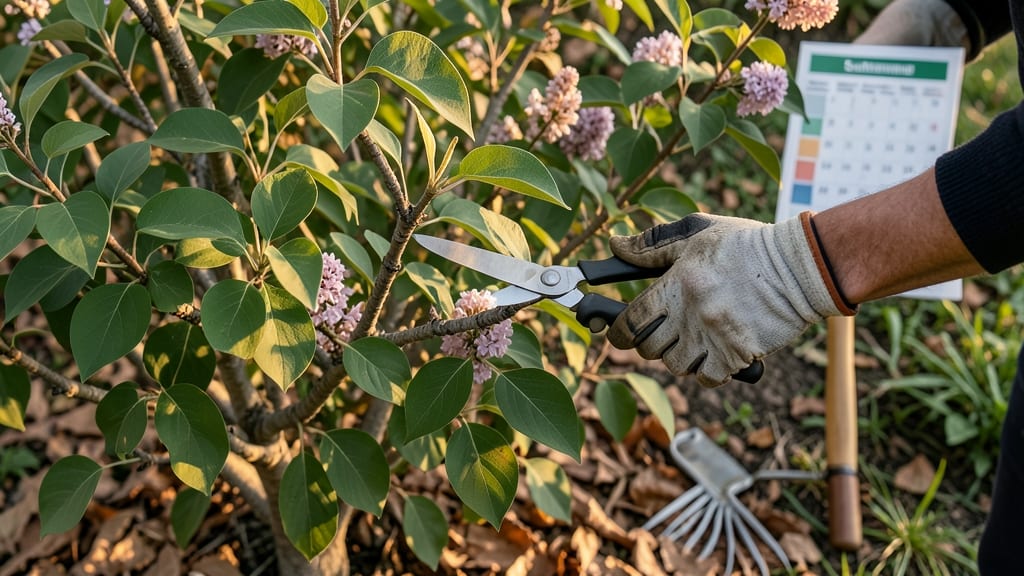
The best time of year to cut back lilac bushes is right after they finish blooming in late summer 🌸 — a move that sets up next year’s flowers while avoiding frost damage.
Struggling to decide when to prune your lilac bushes without sacrificing next year’s stunning blooms? Timing is everything—and late summer is the perfect window for revival without risking frost damage.
Most gardeners wait until fall or spring, but those cuts can accidentally remove next year’s flower buds, leaving you with bare branches. Late summer pruning, however, lets you shape the plant while it’s still active, encouraging fuller growth for a more abundant spring display.
Below, I’ll break down the exact steps for late summer pruning, why this timing works best, and how to avoid common mistakes that can stunt your lilac’s growth or even kill it.
Why late summer is the Ideal Time to Prune Lilac Bushes
If you’ve ever hesitated to prune your lilac bushes for fear of ruining next year’s spring blooms, you’re not alone. The best time of year to cut back lilacs is a common gardening question—and the answer is late summer, right after flowering.
This timing aligns perfectly with the plant’s natural growth cycle, ensuring healthier stems and more vibrant flowers in spring.
Lilacs are late-winter bloomers, meaning their flower buds form in late summer and early fall.
Pruning too early removes these buds, while pruning too late can stress the plant before winter. Late summer (typically August or early September) strikes the balance, allowing the plant to recover before dormancy while preserving next year’s blooms.
Here’s the science behind it: Lilacs produce flower buds on old wood (last year’s growth).
Cutting back too aggressively in spring or fall risks removing these buds, leaving you with sparse or no blooms. Late summer pruning targets dead, weak, or crossing branches while leaving the bud-bearing stems intact for spring.
Another key reason is disease prevention. Late summer pruning removes damaged foliage and improves air circulation, reducing the risk of fungal infections like powdery mildew, which thrives in humid summer conditions.
Plus, the plant has 6-8 weeks of growing season left to heal, ensuring a stronger start in spring.
Let’s address the biggest myth: “Pruning in late summer stunts growth.” This isn’t true for lilacs! In fact, strategic pruning encourages fuller growth by redirecting energy to healthier stems and new shoots.
The key is to never remove more than 1/3 of the plant in a single session, and always cut just above a leaf node (the bump where leaves or branches grow).
Regional climates play a role too. In warmer zones (USDA 8-10), late summer pruning can extend into early September, while cooler zones (USDA 3-6) should prune by mid-August to avoid early frost damage.
Even in colder areas, late summer pruning gives lilacs enough time to harden off before winter.
What about over-pruning? This is where many gardeners go wrong. Lilacs are hardy shrubs, but they don’t regenerate quickly like annuals. Avoid the temptation to shear into a perfect shape—lilacs thrive with a natural, layered look.
Instead, focus on thinning out crowded branches and shaping the outer edges for a balanced silhouette.
Pro tip: Disinfect your pruners with rubbing alcohol or a 10% bleach solution between cuts to prevent spreading disease. And always prune on a dry, sunny day to minimize stress on the plant. The goal is to revitalize, not overwhelm, your lilac bushes.
Here’s what happens if you prune at the wrong time: Spring pruning removes current season’s blooms and next year’s buds; fall pruning stresses the plant before winter; and winter pruning risks frost damage and dormant disease. Late summer is the only safe window for rejuvenation without sacrifice.
Ready to transform your lilacs? The late summer window is your chance to shape, revive, and protect these classic shrubs for years of fragrant, abundant blooms. With the right technique, your lilacs will reward you with fuller growth, stronger stems, and showstopping spring flowers.
🌸 Best Time to Prune Lilac Bushes
Now that you know the ideal timing, let’s dive into the step-by-step process for late summer pruning—including how to identify healthy growth and avoid costly mistakes. Your lilacs will thank you with lush, vibrant blooms next spring!
Step-by-step late summer lilac pruning guide for beginners
Late summer is the perfect time to prune lilacs because it allows your shrubs to recover before winter while preserving next year’s blooms. Cutting now removes dead wood, encourages fuller growth, and prevents overcrowding—key steps for healthier lilacs.
But timing matters: prune too early, and you risk removing next year’s flower buds; too late, and frost damage can occur. Let’s tackle this step-by-step to transform your lilacs into lush, vibrant shrubs.
Before you begin, gather your tools: clean, sharp pruners, hand pruners for smaller branches, and disinfectant (like rubbing alcohol) to prevent disease spread. Wear gloves—lilac branches can be prickly! The goal is to shape your lilac while promoting airflow and sunlight penetration.
Start by removing any dead, diseased, or crossing branches first. These are the easiest cuts and won’t affect next year’s blooms.
- Step 1: Locate the leaf nodes—the small bumps where leaves and branches meet. These are your cutting guides. Make your cuts just above a leaf node at a 45-degree angle to prevent water from pooling.
- Step 2: Remove 1/3 of the oldest wood first. Look for thin, gray branches—these are the oldest and should be cut back to the base. This opens up the center for better airflow and sunlight.
- Step 3: Thin out overcrowded branches by cutting back to the main stem. Aim for a rounded shape rather than a flat-topped look. This encourages new growth at the base for a fuller shrub.
- Step 4: Use your hand pruners for smaller branches and loppers for thicker stems. Always cut just outside the branch collar (the swollen area where the branch meets the stem) to promote faster healing.
- Step 5: Disinfect your tools between cuts if moving from diseased to healthy branches. This prevents the spread of fungal infections or bacterial diseases like powdery mildew.
- Step 6: Step back and assess your lilac. The goal is a balanced, open center with no crossing branches. If you’re unsure, take photos before and after for reference next year.
- Step 7: Clean up by removing all clippings from the base of the plant. Spread them out to dry or compost them (unless diseased). Water your lilac deeply after pruning to help it recover.
One common mistake beginners make is over-pruning or cutting into old wood that hasn’t bloomed yet. Lilacs bloom on last year’s growth, so avoid heavy cuts in late summer that remove next year’s flower buds. Instead, focus on shaping and thinning to encourage new, vigorous growth from the base.
After pruning, your lilac will need a little extra care to bounce back. Apply a 2-inch layer of mulch around the base (but not touching the stem) to retain moisture and regulate soil temperature. Water deeply once a week for the next month, and avoid fertilizing until early spring.
This gives your lilac time to establish new roots before winter.
With these steps, your lilacs will thank you next spring with even more abundant blooms and a neater, healthier shape. The key is patience and precision—late summer pruning sets the stage for a show-stopping spring display. Happy pruning! 🌸✂️