
Pruning
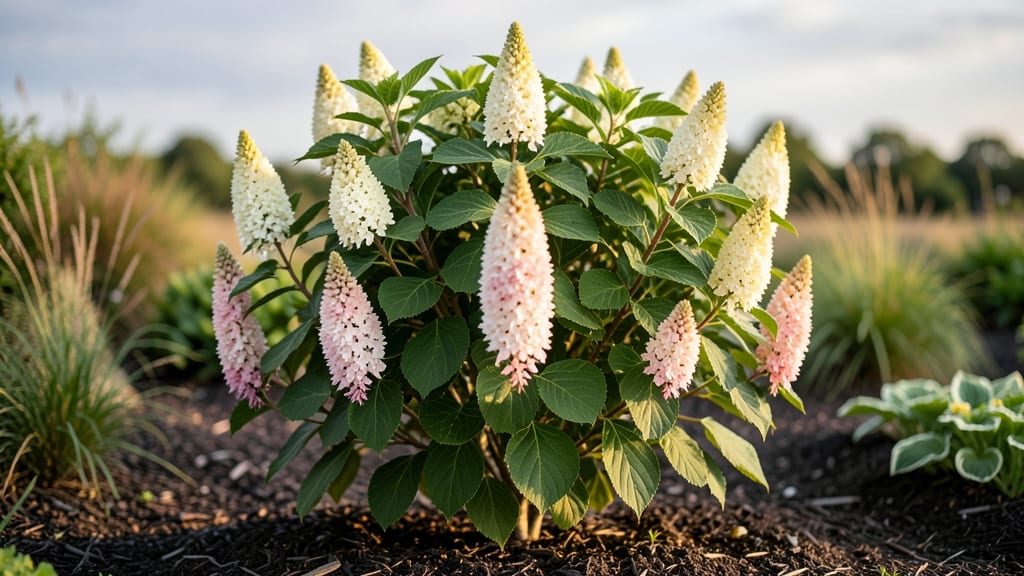
The PeeGee hydrangea bush (Hydrangea paniculata) delivers bold, cone-shaped blooms that last from summer through frost—with almost no pruning required. 🌿 I’ve watched mine transform from bare branches in winter to a showstopping display by July, and the secret isn’t complicated: it’s all about timing, sunlight, and a little seasonal TLC.
This hardy shrub thrives in full sun to partial shade, tolerates a range of soils (even clay), and handles drought once established. The real magic happens in late winter or early spring when you trim back the previous year’s growth—30 minutes max—to encourage fresh, vibrant blooms.
No deadheading, no fuss, just months of effortless color.
By midsummer, you’ll have football-sized flower clusters that shift from green to white to pink as temperatures drop. The foliage stays lush, the stems are sturdy, and deer and rabbits typically leave it alone. Even in cold zones (down to -20°F), it rebounds with vigor.
Perfect for hedges, borders, or standalone statement plants. Here’s how to keep yours thriving year after year—without the pruning headaches.
📚 In This Guide
- What you need
- Instructions
- Tips and common mistakes
- Wrapping up and next steps
What you need
- ● Pruning shears: Sharp, bypass-style shears (avoid anvil shears to prevent crushing stems). Recommended: Felco F2 or similar (6–8" blades).
- ● Gloves: Heavy-duty gardening gloves (thorn-resistant if your bush has them!).
- ● Disinfectant: 1 part bleach to 9 parts water (or 70% isopropyl alcohol) to sterilize tools between cuts.
- ○ Pruning sealant (optional): For large cuts (½" or thicker), use a tree wound pruning paste to prevent disease.
- ● Mulch: 2–3 inches of organic mulch (shredded bark or pine straw) to retain moisture and regulate soil temp.
- ● Watering can or hose: With a gentle spray nozzle for post-pruning hydration.
- ● Timing: Prune late winter or early spring (before new growth starts) for best results.
- ● Weather: Choose a dry, overcast day to reduce stress on the plant.
- ● Location: Ensure the bush is in partial shade to full sun (6+ hours of light daily).
- ● Soil prep: Well-draining, slightly acidic soil (pH 5.5–6.2)—amend with compost if needed.
- ● Loppers: For thicker stems (up to 2" diameter).
- ● Pruning saw: For stubborn, woody branches.
- ● Plant food: Balanced 10-10-10 fertilizer after pruning to boost growth.
- ● Stakes or ties: If your bush is leggy, use them to support new growth.
How to plant and maintain a thriving Pee Gee hydrangea bush
This hardy, low-maintenance beauty delivers stunning blooms with just a few key steps—here's how I keep mine vibrant year after year.
🌱 Step 1: Choose the Perfect Planting Spot
Pee Gee hydrangeas thrive in partial shade—think 4-6 hours of morning sun with afternoon shade protection. I plant mine near my east-facing patio where they get gentle morning light but escape the harsh afternoon sun that can scorch leaves. The key is avoiding full sun in hot climates, which causes leaf burn and reduces flowering.
Test your spot by observing how sunlight moves across the area throughout the day. Look for dappled shade from nearby trees or a north-facing wall. The soil should drain well but retain moisture—amend heavy clay with organic compost to improve aeration. I always dig a hole twice as wide as the root ball but only as deep, ensuring the top of the root ball sits 1 inch above ground level for proper drainage.
💧 Step 2: Plant and Water for Strong Root Establishment
Remove the hydrangea from its container and gently loosen the roots if they're circling. Place it in the hole, backfill with native soil mixed with 2 inches of compost, and water deeply to settle the soil around the roots. I press firmly but not aggressively—you want the soil to compact just enough to eliminate air pockets without crushing roots.
After planting, water once daily for 2 weeks to encourage root growth. You'll know you're doing it right when the soil stays evenly moist but not soggy. Overwatering at this stage leads to root rot, while underwatering causes stress. Mulch with 3 inches of wood chips around the base (keep mulch 3 inches away from the trunk) to retain moisture and regulate soil temperature.
☀️ Step 3: Prune Strategically for Year-Round Blooms
Pee Gee hydrangeas bloom on old and new wood, so timing matters. In late winter or early spring (before buds swell), remove dead or crossing branches at the base. Cut back any stems that died over winter to 1 inch above healthy growth. I avoid heavy pruning—just shape lightly to maintain an open center for airflow.
In mid-summer, after the first flush of blooms, you can trim back one-third of the oldest stems to encourage new growth. Look for stems that are thicker and woody—these are the oldest. Prune just above a leaf node or outward-facing bud to promote bushier growth. Never prune into the center of the plant, as this reduces airflow and invites disease.
✂️ Step 4: Feed and Protect for Long-Term Health
Feed your Pee Gee hydrangea in early spring with a balanced 10-10-10 fertilizer (follow package rates). I also add 1 cup of bone meal to the soil around the base for extra phosphorus, which boosts flowering. In late summer, switch to a low-nitrogen, high-phosphorus fertilizer (like 5-10-10) to support new bloom development for next season.
Watch for hydrangea gall midge (tiny white larvae that cause leaf curl). If you spot distorted leaves, spray with neem oil in early summer. I also monitor for powdery mildew—if white powder appears on leaves, improve airflow by pruning and apply baking soda spray (1 tsp baking soda + 1 quart water + a drop of dish soap) every 2 weeks until it clears.
🌿 Step 5: Winterize for Next Year's Blooms
In late fall, cut back any remaining spent blooms but leave the foliage intact until early spring. The leaves protect the plant from temperature fluctuations and insulate the roots. I add 4-6 inches of mulch around the base after the first hard frost to shield roots from freezing temperatures.
Water moderately throughout winter if rainfall is scarce—soil should stay slightly moist but not saturated. Avoid overwatering, which can lead to root rot in cold soil. In early spring, remove old mulch and replace with fresh 2-3 inches to feed the soil as it warms up. This simple step jumpstarts growth and ensures vibrant blooms by summer.
Tips & tricks for perfect Pee Gee hydrangea care
Here's what I've learned after years of growing these stunning bushes—simple tricks that make all the difference for vibrant blooms.
Sunlight Strategy: In Step 1, if you're unsure about your spot's sunlight exposure, use a simple test: place a white plate where you plan to plant and observe it throughout the day. If it gets more than 6 hours of direct sun, move your hydrangea to a shadier location. I've seen leaf burn develop within weeks on plants getting too much afternoon sun—trust me, it's worth the extra 10 minutes of observation.
Root Establishment Hack: When planting in Step 2, don't rush the watering. After backfilling with soil mixed with 2 inches of compost, let the water soak in completely before adding more. I've found that hydrangeas establish roots faster when they get a good deep drink rather than frequent shallow watering. This 2-week daily watering period is crucial—it's when your plant builds its root system for the entire growing season.
Pruning Precision: In Step 3, when trimming back one-third of the oldest stems in mid-summer, look for stems that are clearly thicker and have more bark than the newer growth. These are your oldest stems. I use clean pruning shears and make cuts at a 45-degree angle just above a leaf node. This technique promotes bushier growth and prevents disease from entering through jagged cuts.
Seasonal Soil Boost: The instructions mention adding bone meal in early spring, but here's an extra tip: mix it directly into the soil around the base rather than scattering it on top. This ensures the phosphorus gets right where the roots can access it. I also add a handful of Espoma Holly-Tone fertilizer in late summer for an extra phosphorus kick—it's made specifically for acid-loving plants like hydrangeas.
Pro Tips for Pee Gee Hydrangea Bush
- Here's what I've learned after years of growing these stunning bushes—simple tricks that make all the difference for vibrant blooms.
- Sunlight Strategy: In Step 1, if you're unsure about your spot's sunlight exposure, use a simple test: place a white plate where you plan to plant and observe it throughout the day.
- Root Establishment Hack: When planting in Step 2, don't rush the watering.
Frequently asked questions
Got questions about your Pee Gee hydrangea? You’re not alone!
Here are some of the most common queries—and their easy answers—to help you keep your bush thriving with confidence.
When is the best time to prune a Pee Gee hydrangea?
The ideal time is late winter or early spring (before new growth starts). Since Pee Gee hydrangeas bloom on new wood, pruning too late can reduce summer blooms. Aim for February or March in most climates for best results.
How much should I trim back my Pee Gee hydrangea?
Cut back 1/3 to 1/2 of the plant each year to encourage bushier growth and more flowers. Focus on removing dead, weak, or crossing branches first. Avoid over-pruning—this hardy bush can handle it, but drastic cuts may delay blooming.
Do Pee Gee hydrangeas need special care after pruning?
After pruning, water deeply to help the plant recover. Mulch around the base (2–3 inches) to retain moisture and protect roots. Fertilize lightly in early spring with a balanced, slow-release formula for vibrant blooms.
Why aren’t my Pee Gee hydrangeas blooming as much as they used to?
Common culprits include over-pruning (cutting into old wood), poor soil (they love acidic, well-draining soil), or lack of sunlight (6+ hours daily). Check for pests like aphids or spider mites, which can stress the plant. Adjust care and monitor for improvements!
Can I grow Pee Gee hydrangeas in containers or small gardens?
Pee Gee hydrangeas thrive in containers (15+ gallon pots) with proper drainage. Use a balanced pH soil mix (4.5–6.0) and prune regularly to control size. Just ensure they get enough sunlight and water—containers dry out faster than garden beds!
Pro Tip:
For year-round color, deadhead faded blooms in early fall (but leave some for winter interest!). This encourages fresh growth and keeps your bush looking tidy without sacrificing next year’s flowers.
Wrapping up and next steps
The Pee Gee hydrangea is a dream for gardeners who love low-maintenance beauty with big rewards! 🌸 Its vibrant blooms, adaptability, and forgiving nature make it a standout choice for year-round interest—whether you’re a pruning pro or just starting out.
With the right tools and a little seasonal care, you’ll enjoy lush, colorful shrubs that thrive with minimal fuss.
Ready to transform your garden? Grab your pruners, mark your calendar for late winter/early spring, and give your Pee Gee hydrangea the love it deserves! 🌿✨ Happy pruning—and happy gardening!