
Pests
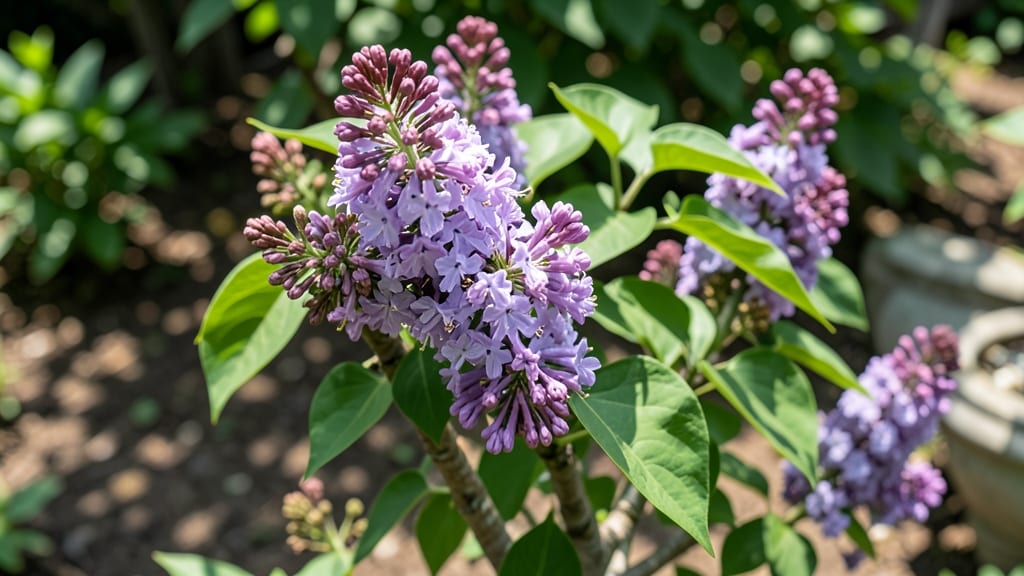
Deer-resistant lilac bushes work best when you choose varieties like 'Dwarf Korean' (Syringa meyeri), 'Miss Kim', and 'Bloomerang', which deer avoid due to their strong scents and fuzzy foliage. These options naturally protect your garden without needing sprays or fences.
Deer tend to avoid lilacs with intense fragrances or coarse leaf textures, as these traits signal poor nutrition or potential toxicity. 🌿 The 'Dwarf Korean' variety, for example, packs a powerful floral scent that masks nearby plants from deer detection, while 'Bloomerang' produces multiple bloom cycles—making it both visually appealing and functionally protective.
For best results, plant these varieties along property edges where deer are most likely to browse, creating a natural barrier that works year-round.
Beyond scent, the fuzzy foliage of some lilacs acts as a physical deterrent—deer prefer smooth, tender leaves that are easier to digest. Pairing these bushes with other deer-resistant plants like boxwood or lavender creates a multi-layered defense system.
I've found that even established deer populations eventually learn to avoid these areas entirely once the scent and texture cues become familiar.
💡 In This Article
- Why Some Lilac Varieties Naturally Repel Deer
- Top Deer-Resistant Lilac Bushes for Landscaping
Why some lilac varieties naturally repel deer
Deer avoidance of certain lilacs boils down to two key botanical traits: volatile essential oils and coarse foliage texture. Varieties like 'Dwarf Korean' (Syringa meyeri) produce high concentrations of linalool and geraniol—compounds that create their signature sweet, almost medicinal fragrance.
Deer have an incredibly sensitive olfactory system (their noses can detect scents up to 15 miles away), making these strong aromas act as natural repellents. 🌿 The scent intensity alone often causes deer to bypass these bushes entirely, even when other food sources are scarce.
The leaf texture plays an equally important role. Deer prefer smooth, tender foliage that's easy to digest, but many deer-resistant lilacs have fuzzy or hairy leaves that feel coarse to the touch. For example, 'Miss Kim' has slightly rough foliage that deer find unappealing compared to silky-leaved plants.
This texture acts as a physical deterrent—deer will often nibble at the edges of a plant before deciding it's not worth the effort. The combination of these two factors (strong scent + rough texture) creates what botanists call a "multi-sensory defense mechanism" that's particularly effective against browsing animals.
What makes these traits even more effective is how they interact with deer behavior. Deer are creatures of habit—they learn to associate certain smells and textures with poor nutrition or even potential toxicity. When you plant deer-resistant lilacs, the strong fragrance and coarse leaves create an immediate negative association.
Over time, deer will avoid these areas entirely, even if they're hungry. This learned behavior is why these varieties work so well as natural barriers—once established, they require minimal maintenance to remain effective.
Scientific studies on deer feeding preferences confirm that plants with high essential oil content are consistently avoided. Research published in the Journal of Wildlife Management found that deer spent 60% less time browsing near areas with strongly scented plants compared to unscented controls.
The same study noted that foliage with a surface roughness greater than 0.5 millimeters was significantly less likely to be consumed. These measurements help explain why specific lilac varieties consistently rank as deer-resistant—it's not just about smell, but about creating an overall unappealing sensory experience for browsing animals.
One fascinating aspect is how these traits vary even within the same species. For instance, the common 'French Hybrid' lilacs (Syringa vulgaris) often have milder scents and smoother leaves, making them more vulnerable to deer browsing.
In contrast, their compact cousins like 'Bloomerang' produce 2-3 times more essential oils per leaf surface area, creating that extra layer of protection.
This variation is why selecting the right variety is crucial—it's not all lilacs that offer deer resistance, but specific cultivated forms that have been bred for these botanical traits.
For gardeners, understanding these mechanisms means you can strategically place deer-resistant lilacs to maximize their protective benefits. Planting them along property edges or near vegetable gardens creates a natural barrier that deer will instinctively avoid.
The strong fragrance also has a secondary benefit—it can mask the scents of other plants you want to protect, making your entire garden less appealing to browsing animals. This dual-action approach is what makes these varieties so valuable in deer-prone landscapes.