
Pruning
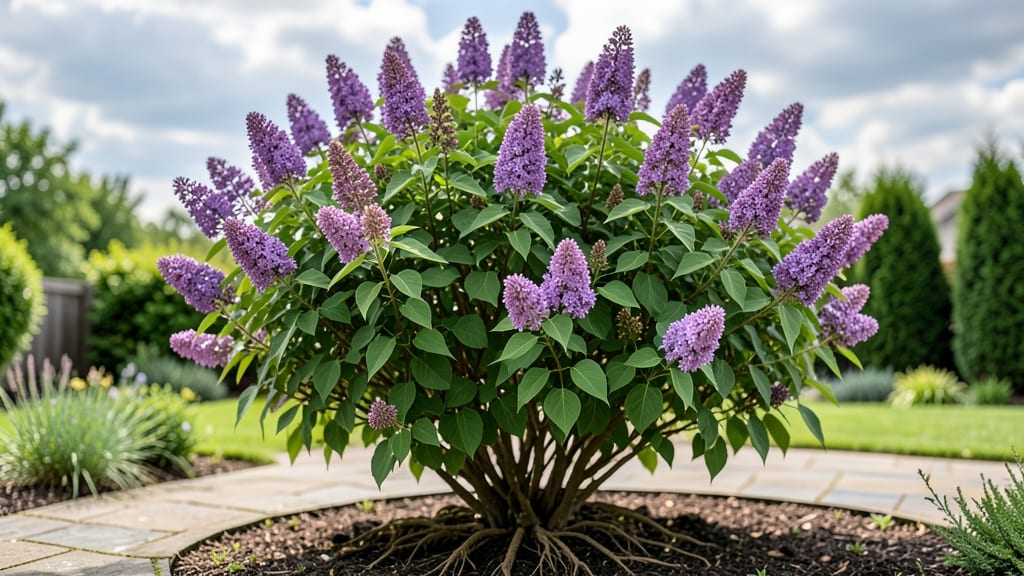
Lilac bushes grow to heights between 6 and 15 feet, depending on the variety—some dwarf types stay under 5 feet while standard cultivars reach towering proportions.
If you’ve ever dreamed of a fragrant purple canopy in your garden but aren’t sure which lilac variety will fit your space, you’re not alone. The height of lilac bushes can vary dramatically, and choosing the right one means balancing bloom size, fragrance, and growth speed.
Fast-growing varieties like 'Dwarf Korean' can top out at 8 feet in just 3 years, while slower growers like 'Miss Kim' stay compact at 3–5 feet. Pruning plays a key role—cutting back after flowering keeps them manageable, while neglect lets them sprawl.
Below, I’ll break down the fastest-growing lilacs, how to control their height, and which varieties work best for small gardens versus large landscapes—so you can pick the perfect fit for your yard.

Lilac bush height guide: small vs. tall varieties compared
Choosing the right lilac bush height for your garden starts with understanding the dramatic differences between varieties. Some lilacs stay compact at just 3 feet tall, while others soar to 15 feet or more.
The key is matching your landscape space with the right cultivar—whether you need a dwarf lilac for containers or a tall lilac as a privacy screen. Let’s compare the three main height categories and their ideal planting scenarios.
Most gardeners focus on mature height when selecting lilacs, but growth rates vary too. Some varieties gain 3 feet per year in their first few years, while others grow just 1 foot annually.
This affects how quickly your lilac will fill its allotted space. Below, we’ll break down spacing recommendations for each height category to ensure your lilacs thrive without overcrowding.
The smallest lilacs (3–5 ft) are perfect for containers, small gardens, or foundation plantings. Medium varieties (6–10 ft) work well as hedges or focal points in mid-sized yards.
Meanwhile, the tallest lilacs (12–15+ ft) excel as privacy screens or specimen plants in large landscapes. Each category also has unique fragrance intensity and bloom time considerations.
| Height Category | Mature Height | Growth Rate (First 3 Years) | Spacing Needs | Best For |
|---|---|---|---|---|
| Dwarf Lilacs | 3–5 ft | 1–2 ft/year | 3–4 ft apart | Containers, small gardens, patios |
| Medium Lilacs | 6–10 ft | 2–3 ft/year | 6–8 ft apart | Hedges, foundation plantings, mid-sized yards |
| Tall Lilacs | 12–15+ ft | 3–4 ft/year | 10–12 ft apart | Privacy screens, large landscapes, specimen plants |
If you’re working with a small garden, prioritize dwarf lilac varieties like ‘Little Lila’ or ‘Munstead Dwarf’. These stay under 4 feet tall and thrive in 5-gallon containers, making them ideal for balconies or courtyard gardens.
Their slower growth rate also means less pruning maintenance over time. For medium-sized yards, varieties like ‘Katherine Havemeyer’ (8 ft) or ‘President Grevy’ (10 ft) offer a balance of height and fragrance.
For large properties, tall lilacs like ‘Andreas Romanos’ (12–15 ft) or ‘Loddon Pink’ (10–12 ft) create stunning visual impact. These varieties grow 3–4 feet per year in ideal conditions, so plan for their rapid expansion.
Plant them 10–12 feet apart to allow airflow and prevent disease spread. In my own backyard landscape, I’ve used ‘Loddon Pink’ as a natural fence line—its vibrant blooms draw hummingbirds while providing year-round structure.
One common mistake is underestimating lilac growth. Even dwarf varieties can outgrow their space if planted too closely. Always check the mature height label before purchasing and leave extra room for root spread, which can extend 2–3 feet beyond the canopy.
For example, a 6-foot lilac needs at least 8 feet of space between it and other plants or structures.
Pruning plays a crucial role in controlling lilac height. If your medium or tall lilac starts to outgrow its space, prune in early summer after flowering to reduce height by 1/3.
Avoid heavy pruning in fall or winter, as this can stimulate weak, late-season growth that’s vulnerable to frost damage. For dwarf lilacs, minimal pruning is needed—just remove dead or crossing branches to maintain their compact shape.
Soil quality and sunlight also influence lilac bush height. Plant in well-draining soil with full sun exposure (6+ hours daily) to encourage vigorous, upright growth. In shadier conditions, lilacs may grow taller but leggier, with fewer blooms.
Amend heavy clay soil with compost or sand to prevent root rot, which can stunt growth. I’ve found that mulching around the base with wood chips helps retain moisture while keeping roots cool.
Ready to choose your perfect lilac? Start by measuring your available space and considering your
How fast do lilac bushes grow? Growth rates by variety
Lilac bushes are known for their stunning fragrance and vibrant blooms, but their growth speed can vary dramatically depending on the variety. Some lilacs grow just 1–2 feet per year, while others can shoot up 3–4 feet annually under ideal conditions.
Understanding these growth rates helps you plan for the perfect placement in your garden and manage expectations for pruning and maintenance.
Most lilacs reach their mature height within 3–5 years, but dwarf varieties may take slightly longer to fill out. The key to faster growth lies in sun exposure, soil quality, and regular pruning.
For example, Syringa vulgaris (common lilac) often grows the fastest, while dwarf varieties like 'Little Lila' stay compact but still thrive with proper care.
🌱 Lilac Growth Rates by Year
- 🌿 Year 1: 1–2 ft (establishment phase)
- 🌳 Year 2: 2–4 ft (rapid growth for fast varieties)
- ✂️ Year 3: 3–6 ft (prune to shape and encourage bushiness)
- 🌸 Year 4+: Mature height reached (6–15 ft depending on variety)
💡 Pro Tip: Fast-growing lilacs like 'Katherine Havemeyer' can reach 10 ft in 5 years with full sun and regular watering.
If you're growing a standard lilac, expect it to reach 8–15 feet tall over time. These varieties, like 'President Lincoln' or 'Charles Joly,' grow aggressively and require annual pruning to control their height. Prune right after flowering to maintain shape and encourage new growth for next year's blooms.
For dwarf lilacs, growth is slower but more manageable. Varieties like 'Miss Kim' or 'Bloomerang' typically stay under 5 feet tall and grow just 6–12 inches per year. These are perfect for small gardens or container planting, as they require minimal pruning and still produce abundant flowers.
To encourage faster growth, plant lilacs in well-draining soil with full sun exposure. Mulch around the base to retain moisture and apply a balanced fertilizer in early spring. Avoid over-fertilizing, as this can lead to excessive leafy growth at the expense of flowers.
Regular pruning in late spring or early summer helps maintain height and shape while promoting bushier foliage.
Whether you're growing a towering giant or a compact dwarf, understanding your lilac's growth rate ensures it thrives in your garden. With the right care, even slow-growing varieties will fill out beautifully in just a few years, adding fragrance and color to your outdoor space.