
Pruning
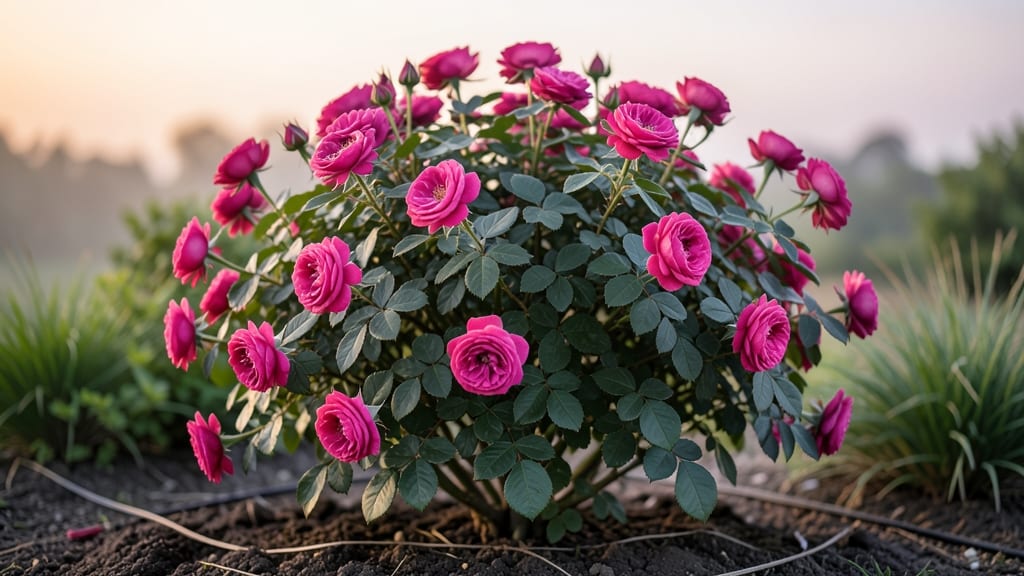
The knockout rose bush colors bring year-round color to your garden with their nonstop blooms—no deadheading required. 🌹 I’ve grown them for years, and the way they transform a space with bold hues like deep red, blush pink, or sunny yellow never fails to impress.
These roses aren’t just pretty; they’re tough, thriving in full sun or partial shade, and their petals stay vibrant even in heatwaves. The secret to their staying power lies in their disease-resistant roots and repeat-flowering habit.
Unlike traditional roses, they don’t need winter protection in most zones, making them the ultimate low-maintenance star. Pair a vibrant red with silver foliage like lamb’s ear, or let a soft pink blend into a cottage garden with peonies and delphiniums.
The color palette is your playground—just match their boldness with complementary textures. What you’ll love most is how they anchor your design. Use them as a privacy hedge, a striking border, or a focal point near your patio.
Their glossy leaves add structure, while the blooms create movement in any season. Even in winter, their canes hold interest with their arching habit and occasional frost-kissed blooms. For best results, plant them in well-draining soil and water deeply once established.
A light pruning in early spring keeps them bushy, and they’ll reward you with nonstop color from spring until frost. No other shrub delivers this much drama with so little effort.
📚 In This Guide
- What you need
- Instructions
- Tips and common mistakes
- Wrapping up and next steps
What you need
- ● Knockout rose bushes: Choose 1–3 plants (depending on desired coverage). Popular colors include: Double Knock Out® (red)
- ● Blizzard® (white)
- ● Rainbow Knock Out® (pink/yellow blend)
- ● Garden gloves: 1 pair (heavy-duty, for thorns and soil)
- ● Pruning shears: 1 pair (sharp, bypass-style for clean cuts)
- ● Loppers: 1 pair (for thicker stems, 16–24" reach)
- ● Hose with nozzle: For watering and cleaning tools
- ● Mulch: 2–3 bags (shredded bark or compost, 3–4 inches deep)
- ● Fertilizer: Balanced rose-specific fertilizer (10-10-10 or 20-20-20)
- ○ Optional: Organic compost (for slow-release nutrients)
- ● Planting hole tools: Shovel (round-point for digging)
- ● Garden trowel (for amending soil)
- ● Rose food: Granular or liquid (e.g., Miracle-Gro Rose & Flower Food)
- ● Epsom salt: 1 small bag (for magnesium boost, 1 tbsp per plant every 4–6 weeks)
- ● Disease preventer: Copper fungicide (for powdery mildew-prone areas)
- ● Staking system: 3–4 bamboo stakes + twist ties (if planting in windy areas)
- ● Garden kneeler pad: For comfort during planting/pruning
How to select and care for knockout roses for year-round color
These hardy beauties deliver nonstop blooms with minimal fuss—here’s how to choose and maintain them.
🌿 Step 1: Choose the Right Color Variety for Your Space
Knockout roses come in six core colors: pink, red, purple, yellow, lavender, and white. Each shade behaves slightly differently in sunlight and soil. For full sun exposure, red and pink varieties thrive with the most vibrant hues, while lavender and purple can fade under intense afternoon rays. I always opt for double blooms—they last longer in arrangements and provide denser foliage.
If your garden has partial shade (4-6 hours of sun), stick with pink or white—they tolerate lower light better while still delivering consistent blooms. Avoid yellow varieties in shaded spots; they’ll revert to a pale, almost greenish tone. Test a small section first if you’re unsure—Knockout roses are forgiving, but color intensity varies.
☀️ Step 2: Plant in Well-Draining Soil with Full Sun
These roses demand 6+ hours of direct sun daily—no exceptions. I dig a hole twice as wide as the root ball but only as deep, ensuring the graft union sits 2-3 inches above soil level. Amend native soil with compost (mix in 2-3 inches) to improve drainage, as Knockouts hate soggy roots. The ideal soil pH is 6.0-6.5—test your soil before planting.
For container growing, use a 5-gallon pot with drainage holes and fill with a 50/50 mix of potting soil and perlite. Knockouts in pots need daily watering in summer, as containers dry out faster. I always add a time-release fertilizer at planting to give roots a nutrient boost without overfeeding.
💧 Step 3: Water Deeply but Infrequently
Water once a week in spring/fall, twice weekly in summer, until the top 6 inches of soil feel dry. Deep watering encourages strong root growth—shallow drinks lead to weak stems and fewer blooms. I use a soaker hose to deliver moisture slowly at the base, avoiding wetting leaves (which promotes fungal diseases).
Mulch with 2-3 inches of shredded bark after planting to retain moisture and regulate soil temperature. Keep mulch 6 inches away from the trunk—piling it against the stem invites rot. Yellowing leaves? Often a sign of overwatering or poor drainage. Adjust your schedule if the soil stays damp for more than 48 hours after watering.
✂️ Step 4: Prune for Health and Continuous Blooms
Prune twice a year: late winter (before buds swell) to shape the bush, and after each flush of blooms to encourage new growth. I cut back 1/3 of the oldest canes to the ground in winter—this rejuvenates the plant and prevents disease buildup. For summer pruning, snip spent blooms back to the first healthy leaf below, not the stem.
Never prune when the plant is stressed (during drought or extreme heat). Deadheading (removing faded blooms) isn’t necessary with Knockouts—they rebloom naturally. If you see blackened canes, remove them immediately to prevent black spot from spreading. Sterilize pruners with rubbing alcohol between cuts to avoid cross-contamination.
🌱 Step 5: Fertilize for Year-Long Vibrancy
Feed once in spring (when new growth appears) with a balanced 10-10-10 fertilizer, then monthly through summer with a rose-specific formula (higher in phosphorus). I skip fall fertilization—Knockouts enter dormancy naturally, and excess nutrients encourage weak growth before winter. Overfertilizing leads to leafy growth at the expense of blooms, so follow package rates precisely.
For organic options, use fish emulsion in spring and compost tea monthly. Monitor for nutrient burn (brown leaf edges)—this means you’re overdoing it. If blooms appear small or sparse, it’s often a sign of underfeeding, not insufficient light. Adjust your schedule based on leaf color: dark green means you’re golden; yellowing means it’s time to feed.
Tips & tricks for knockout rose bush colors
Here’s what nobody tells you about maximizing those bold, year-round blooms—because color vibrancy starts with the right care.
Sunlight Strategy: For the most intense hues, especially in red and pink varieties, position your roses where they receive morning sun and afternoon shade if your climate hits 90°F+. The 4-6 hours of partial shade recommendation in Step 1 is your safeguard against color fading—think of it as a heat shield for those delicate pigments. I’ve seen lavender Knockouts turn almost purple in full sun, but they’ll revert to a washed-out mauve if pushed too far.
Soil Secrets: The 6.0-6.5 pH range mentioned in Step 2 isn’t just about nutrients—it’s about unlocking color potential. Test your soil before planting, and if it’s off, amend with sulfur (to lower pH) or lime (to raise it). I once planted yellow Knockouts in slightly alkaline soil and ended up with pale, almost cream-colored blooms. The same plants thrived in a neighbor’s acidic soil with their signature golden hue.
Pruning Precision: When you’re cutting back 1/3 of the oldest canes in late winter (Step 4), make sure your cuts are clean and angled just above an outward-facing bud. This isn’t just about shape—it’s about directing energy to new growth that will produce the most vibrant blooms. I learned this the hard way when I made sloppy cuts, leading to ragged stems and weaker color intensity the following season.
Fertilizer Timing: That spring 10-10-10 application (Step 5) should happen when you see the first 1-inch green shoots emerging. This is when the plant is ready to convert nutrients into bold color. Too early, and the fertilizer just sits in the soil; too late, and you miss the window for maximum pigment development. For organic gardeners, compost tea works wonders but apply it in the morning so the leaves have time to dry before evening—wet foliage overnight invites fungal issues.
Pro Tips for Knockout Rose Bush Colors
- Here’s what nobody tells you about maximizing those bold, year-round blooms—because color vibrancy starts with the right care.
- Sunlight Strategy: For the most intense hues, especially in red and pink varieties, position your roses where they receive morning sun and afternoon shade if your climate hits 90°F+.
- Soil Secrets: The 6.0-6.5 pH range mentioned in Step 2 isn’t just about nutrients—it’s about unlocking color potential.
Frequently asked questions
about knockout rose bush colors—because even the hardiest gardeners have questions! Here are some of the most common ones to help you grow the most vibrant blooms all season.What are the most popular knockout rose bush colors?
The classic knockout rose comes in pink (the original ‘Knock Out’), but newer varieties now offer red (‘Double Knock Out’), blush pink (‘Pink Double Knock Out’), yellow (‘Sunny Knock Out’), and even peach (‘Rainbow Knock Out’). Each brings a unique pop of color to your garden!
Do knockout roses change color as they bloom?
Most knockout roses maintain their signature hue throughout the blooming season, but some—like ‘Rainbow Knock Out’—may shift slightly from peach to pink as flowers mature. The color consistency is one of their biggest perks!
Can I prune knockout roses to encourage darker or brighter blooms?
Pruning primarily affects bush shape and bloom quantity, not color intensity. However, deadheading faded blooms (removing spent flowers) ensures continuous vibrant blooms. For deeper hues, ensure they get 6+ hours of sunlight—shady spots can mute colors slightly.
Why are my knockout rose blooms less vibrant than expected?
Dull or pale blooms often signal nutrient deficiencies (try a balanced rose fertilizer) or overwatering (knockouts prefer well-draining soil). Yellowing leaves? Check for iron deficiency. For richer colors, mulch with compost and avoid heavy nitrogen fertilizers, which can dilute hues.
Are there knockout rose alternatives with even more color variety?
Yes! Consider ‘Dr. Huey’ (deep red), ‘Voodoo’ (velvety burgundy), or ‘Radrazz’ (bright raspberry). These disease-resistant roses also bloom nonstop but offer bolder shades than the classic pink. Hybrid teas and floribundas can also provide striking colors with slightly more maintenance.
Wrapping up and next steps
Choosing a knockout rose bush isn’t just about adding beauty—it’s about investing in a low-maintenance, high-impact garden staple that thrives year-round! With colors ranging from fiery reds to soft pinks and even creamy whites, these roses bring vibrant energy to any landscape with minimal fuss.
Whether you’re a seasoned gardener or just starting, their resilience and stunning blooms make them a must-have for any outdoor space.
Ready to transform your garden? Pick your favorite color, grab your pruners, and get planting! For extra tips on care or styling, explore our guide on pruning techniques to keep your knockout roses looking their best all season.