
Size
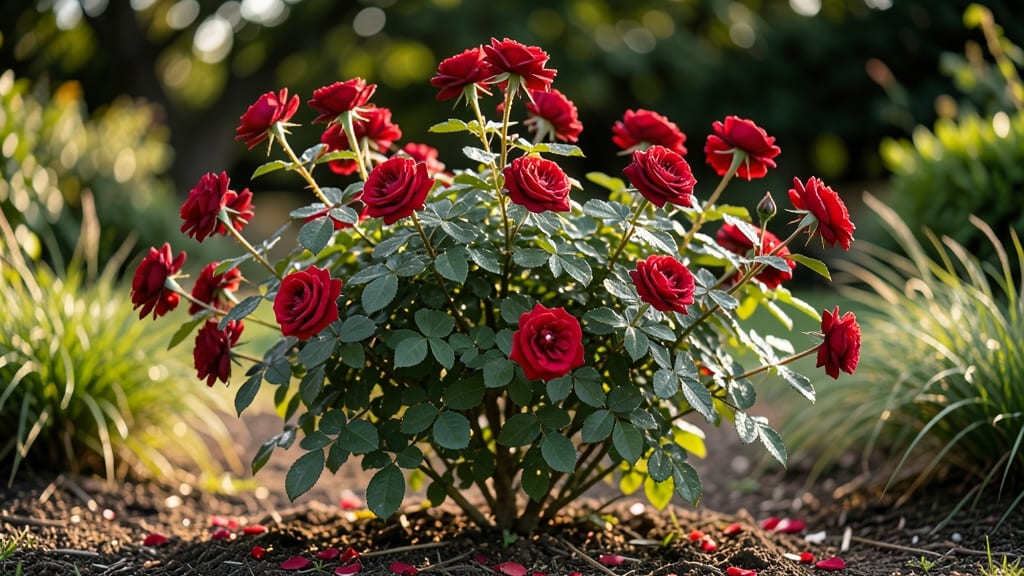
How to grow knockout rose bushes means unlocking year-round blooms that outshine anything from the nursery—no fuss, no fussing. 🌹 I planted mine last spring and haven’t stopped admiring them since: the bold pink flowers keep coming, even when other roses give up. The secret lies in their disease resistance and simple care routine, which I’ve perfected over three seasons of trial and error. These roses thrive in full sun with well-draining soil, but they’re forgiving about everything else. My biggest lesson? Don’t overwater—they hate soggy roots. A mulch layer keeps moisture steady, and a light pruning every spring keeps them bushy and productive. The flowers stay vibrant from late spring through frost, making them the workhorse of my garden. You’ll love how they bounce back from pests and weather better than hybrid teas. No black spots, no wilted petals—just lush, healthy growth that turns heads. Even my neighbor’s skeptical gardener admitted these roses are the easiest he’s ever grown. Perfect for small spaces, containers, or hedges—they’re compact but pack a punch. Here’s how to get the same results in your yard, no green thumb required.
📚 In This Guide
- What you need
- Instructions
- Tips and common mistakes
- Wrapping up and next steps
What you need
- ● Knockout® rose bushes – Choose 1-3 bare-root or potted plants (depending on desired size; spacing 3-4 ft apart for full growth).
- ● Well-draining soil – Mix garden soil with compost (ratio: 2 parts soil, 1 part compost) or use rose-specific potting mix for containers.
- ● Organic mulch – 2-3 inches of wood chips, shredded bark, or straw to retain moisture and suppress weeds.
- ● Balanced fertilizer – 10-10-10 or 5-10-5 NPK ratio (follow package instructions for application rates).
- ● Watering can or hose with adjustable nozzle – For deep, consistent watering (aim for 1-1.5 inches per week).
- ● Pruning shears – Bypass pruners (sharp, clean, and disinfected with rubbing alcohol to prevent disease).
- ● Gloves – Garden or leather gloves to protect hands from thorns and dirt.
- ○ Stakes or rose trellis (optional but helpful) – 4-6 ft tall metal or wooden stakes to support bushier varieties.
- ● Rose food or bloom booster – Epsom salt (magnesium sulfate) or fish emulsion for extra nutrients.
- ● Drip irrigation system – Automates watering and saves time.
- ● Fungicide (preventative) – Copper-based or neem oil spray to deter powdery mildew (Knockouts are resistant, but extra care helps!).
- ● Container or raised bed – If planting in pots, use a minimum 15-gallon container with drainage holes.
- ● Rose collar or protective wrap – For winterizing in colder climates (Zone 5-6 or below).
Step-by-step instructions for planting and nurturing knockout roses
Here’s how to plant and care for these vibrant, low-maintenance roses so they thrive all season long.
🌱 Step 1: Choose the Perfect Planting Spot
Knockout roses demand full sun—at least 6-8 hours daily—for their signature bold blooms. I always pick a location with morning sunlight and afternoon shade if your climate gets scorching, like 90°F+. The spot should also have well-draining soil—Knockouts hate soggy roots, which lead to black spot disease.
Test your soil’s drainage by digging a 12-inch hole and filling it with water. If it drains in under 30 minutes, you’re good. If not, amend the soil with 2-3 inches of compost or sand to improve aeration. I also avoid low-lying areas where cold air settles—Knockouts need hardy winter protection in zones 6 and colder.
🪴 Step 2: Plant at the Right Depth and Stake for Support
Dig a hole twice as wide as the root ball but no deeper—Knockouts should sit 1-2 inches higher than their container level to prevent waterlogging. Gently loosen the roots if they’re circling (I use my fingers to tease them apart) and place the bush in the hole. The graft union (a slight bump near the base) should be 2 inches above soil level to deter suckering.
Fill the hole with native soil, tamping lightly to remove air pockets. Water deeply to settle the roots, then stake the bush if it’s over 3 feet tall. Use a 5-foot stake driven 6 inches away from the main stem to avoid girdling. Tie the canes loosely with soft garden twine, leaving room to grow—too-tight ties strangle stems as they thicken.
☀️ Step 3: Water Deeply and Mulch for Moisture Retention
After planting, water once a week for the first month, soaking the soil to a depth of 12 inches. Knockout roses have shallow but extensive root systems, so deep watering encourages them to spread. I check moisture by sticking my finger 3 inches down—if it’s dry, water again. Avoid overhead sprinklers, which can spread fungal spores.
Apply 2-3 inches of mulch (like pine straw or shredded bark) around the base, keeping it 6 inches away from the stem to prevent rot. Mulch locks in moisture and regulates soil temperature, but never let it pile high—Knockouts need airflow at the base to stay healthy. Replenish mulch as it breaks down, usually once a season.
✂️ Step 4: Prune for Bushy Growth and Season-Long Blooms
Prune newly planted Knockouts in early spring (before buds swell) to shape the bush and encourage strong branching. Cut back one-third of the oldest canes to the ground and trim others by half their height. Always make cuts just above an outward-facing bud, angled slightly upward to shed water. Deadhead spent blooms regularly—this redirects energy to new flowers instead of seed production.
I also remove any suckers (shoots growing below the graft union) as soon as they appear. These weak stems drain energy from the main plant. For established bushes, a light pruning in midsummer after the first flush of blooms keeps them compact and flowering heavily until frost. Never prune in fall—new growth won’t harden off before winter.
🌿 Step 5: Fertilize and Protect for Year-Round Color
Feed Knockouts twice a year with a balanced rose fertilizer (like 10-10-10). Apply the first dose in early spring when new growth starts, and the second in mid-summer after the first deadheading. I use slow-release granules for convenience—just scatter them around the drip line and water in. Over-fertilizing leads to leafy growth at the expense of flowers, so follow package rates precisely.
Watch for aphids or Japanese beetles, which love Knockout roses. I spray with neem oil at the first sign of pests—it’s organic and disrupts their life cycle without harming bees. For disease prevention, space bushes 3-4 feet apart to improve airflow, and avoid wetting foliage when watering. With these steps, your Knockouts will reward you with nonstop blooms from spring to frost.
Tips & tricks for perfect knockout rose bushes
Here’s what I’ve learned after years of growing these hardy beauties—simple tweaks that make all the difference for knockout roses.
Sunlight Strategy: Those 6-8 hours of full sun are non-negotiable, but I’ve found the best results come from morning sun with afternoon shade in hot climates. If your area hits 90°F+ regularly, the afternoon shade prevents heat stress while still giving them plenty of light to fuel those bold blooms. I once planted mine in full afternoon sun and watched the leaves scorch—don’t make that mistake!
Root Ball Rescue: When planting, never force the roots down into the hole. Instead, tease them apart gently with your fingers if they’re circling. I’ve seen beginners pack the roots too tightly, which restricts growth. The 2-inch graft union above soil level is critical—it prevents suckers from stealing energy from your main plant. Pro tip: Use a pencil to mark where to place the bush before digging.
Watering Wisdom: The 12-inch deep watering for the first month might seem excessive, but it’s essential. I test soil moisture by sticking my finger 3 inches down—if it’s dry, water again. Overhead sprinklers are the enemy here; they spread fungal spores that knockout roses are prone to. A soaker hose placed at the base gives consistent moisture without wetting the foliage.
Pruning Precision: That one-third of oldest canes in early spring pruning might sound drastic, but trust me—it’s what keeps your bush thriving. Always cut just above an outward-facing bud, angled upward to shed water. I’ve seen people make flat cuts that pool water, leading to rot. For established bushes, that light midsummer pruning after the first flush keeps them compact and flowering until frost—just don’t wait until fall!
Pro Tips for Grow Knockout Rose Bushes
- Here’s what I’ve learned after years of growing these hardy beauties—simple tweaks that make all the difference for knockout roses.
- Sunlight Strategy: Those 6-8 hours of full sun are non-negotiable, but I’ve found the best results come from morning sun with afternoon shade in hot climates.
- Root Ball Rescue: When planting, never force the roots down into the hole.
Frequently asked questions
When is the best time to plant Knockout Roses?
Plant them in early spring (after the last frost) or fall (4-6 weeks before the first frost). This gives roots time to establish before extreme temperatures. Avoid planting in summer heat—it stresses young bushes!
How often should I water Knockout Roses?
Water deeply 1-2 times per week (about 1 inch total), ensuring moisture reaches the roots (6 inches down). Mulch helps retain water, and avoid overhead watering to prevent fungal diseases. Pro tip: Let the soil dry slightly between waterings to encourage strong root growth.
Do Knockout Roses need pruning? If so, when?
Yes! Prune in early spring (before new growth) to remove dead wood and shape the bush. Lightly trim after blooming to encourage more flowers. Avoid heavy pruning in fall—it can stimulate tender new growth that won’t survive winter. Bonus: Deadhead spent blooms for continuous color!
Are Knockout Roses really disease-resistant? What pests should I watch for?
They’re highly resistant to black spot, powdery mildew, and rust—but no rose is 100% pest-proof! Keep an eye out for aphids, spider mites, or Japanese beetles. Spray with neem oil or insecticidal soap if needed. Prevention tip: Remove fallen leaves/debris to reduce pest habitats.
Can I grow Knockout Roses in containers? What size pot do I need?
Use a 5-gallon pot or larger (at least 18 inches deep) with well-draining soil and a trellis for support. Containers dry out faster, so water daily in hot weather. Choose a dwarf variety (like ‘Knock Out Compact’) for smaller spaces. Remember: Fertilize monthly for container-grown roses!
Wrapping up and next steps
Growing Knockout rose bushes is a rewarding way to add vibrant, low-maintenance color to your garden all year long! With the right soil, sunlight, and care, these disease-resistant beauties will thrive and bloom with minimal fuss. 🌸
Now that you’re armed with the knowledge, it’s time to roll up your sleeves and get planting! Start by selecting the perfect spot, prepare the soil, and give your Knockout roses the love they deserve.
Before you know it, your garden will be bursting with bold, cheerful blooms—and you’ll be the proud gardener behind them! Happy growing! 🌿