
Pruning
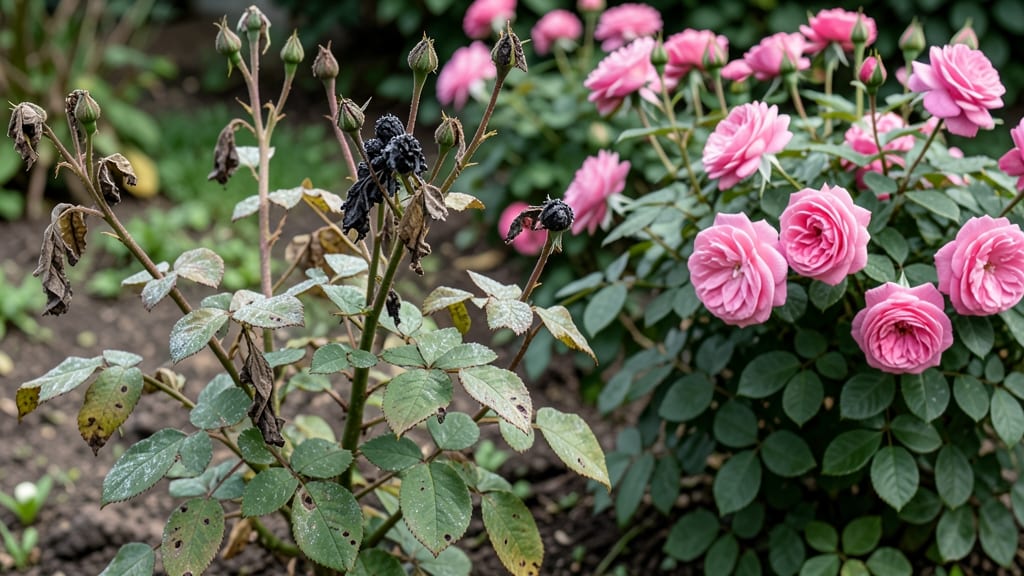
My knockout rose bush problems finally got solved after years of trial and error—and I’m sharing the exact fixes that worked. 🌹 From black spot to wilted canes, these roses are tough but not indestructible. The key? Spotting issues early and acting fast before they spiral.
Black spot and powdery mildew are the top culprits, but pests like aphids and Japanese beetles can turn your bush into a skeleton in weeks. My biggest mistake? Waiting too long to prune—once I started cutting back diseased growth immediately, the recovery was shocking.
Even the most stubborn bushes bounced back within a month. You’ll learn to identify problems by leaf pattern, stem texture, and growth habits, plus the fastest treatments for each. No more guessing games—just clear steps to revive your roses and keep them thriving all season.
Let’s get those blooms back in full force.
Most issues start with poor airflow or overwatering, but even the hardiest roses need help sometimes. I’ll walk you through the top 10 problems—like yellowing leaves, stunted growth, or cane dieback—and explain why they happen.
The fixes are simple but effective: adjust watering, prune strategically, or apply targeted treatments before the damage spreads. What’s wild is how quickly roses respond when you address the root cause. My once-lifeless bush now produces hundreds of blooms from spring to frost, all thanks to a few key adjustments.
The best part? Many solutions use everyday household items or organic sprays—no fancy (or expensive) tools needed.
Whether you’re dealing with fungal infections, pest swarms, or just a bush that’s looking tired, this guide cuts through the confusion. You’ll know exactly what to look for, when to act, and how to prevent future problems.
No more wasted time or money on guesswork—just fast, reliable fixes that work for any knockout rose.
Root Causes of Rose Struggles
Understanding why your Knockout rose bush is acting up starts with digging into the science behind its stress signals. These hardy shrubs are bred for resilience, but even they can fall prey to environmental and cultural missteps.
Below, we break down the primary culprits behind common issues—so you can address them like a pro.
Knockout roses thrive in well-draining, slightly acidic soil (pH 6.0–6.5), but compacted, nutrient-poor, or overly alkaline soil can stunt growth, invite pests, or trigger fungal diseases. Here’s why:
- Compacted Soil 🪨: Heavy clay or foot traffic crushes soil pores, cutting off oxygen to roots. Without aeration, roots suffocate, leading to yellowing leaves, stunted growth, or wilting—even when watered. - Nutrient Deficiencies 🌱: Roses are heavy feeders.
If soil lacks nitrogen (N), phosphorus (P), or potassium (K), you’ll see: - Pale leaves (nitrogen deficiency) - Purple stems or slow blooms (phosphorus deficiency) - Weak stems or poor cold hardiness (potassium deficiency) - Alkaline Soil 🧪: A pH above 7.0 locks out essential micronutrients like iron and manganese, causing yellowing between leaf veins (iron chlorosis)—a classic sign of nutrient starvation.
Pro Tip: Test your soil with a home kit or lab test. Amend with compost, sulfur (to lower pH), or organic matter like peat moss to restore balance.
Knockout roses hate wet feet but also drought stress. Their deep root systems need consistent moisture without soggy soil.
- Overwatering 💦: Saturated soil cuts off oxygen, leading to:
- Root rot (caused by Phytophthora fungi) – black, mushy roots and wilting despite wet soil.
- Powdery mildew (white fungal growth on leaves) – thrives in humid, damp conditions.
- Underwatering 🏜️: Shallow roots dry out, causing:
- Curling or crispy leaf edges (early drought stress).
- Bud drop (plant sheds flowers to conserve energy).
- Leaf scorch (brown, papery edges from extreme dehydration).
Fix It: Water deeply 1–2 times per week (1–1.5 inches per session) and improve drainage with raised beds or gravel amendments if your soil holds too much moisture.
Knockout roses love full sun (6+ hours/day), but intense heat, cold snaps, or sudden temperature swings can shock them.
- Too Much Heat 🔥: In 90°F+ temps, roses may: - Drop buds (preventing blooms). - Develop sunscald (brown, crispy patches on leaves exposed to harsh afternoon sun). - Late Frost or Early Freeze ❄️: New growth is highly sensitive to temps below 28°F.
Damage shows as: - Blackened, mushy stems (frost damage). - Delayed blooming (plant focuses energy on recovery). - Poor Air Circulation 🌬️: Dense foliage or tight planting traps humidity, promoting fungal diseases like black spot or powdery mildew.
Solution: Provide afternoon shade in extreme heat, mulch heavily in winter, and space plants 3–4 feet apart for airflow.
Knockout roses are disease-resistant, but pests and fungi still exploit weaknesses.
- Japanese Beetles 🐞: Skeletons leaves by chewing tissue between veins, leaving a lacy pattern.
They also munch on buds and flowers. - Spider Mites 🕷️: Tiny pests that suction sap, causing yellow stippling and webbing on undersides of leaves (thrive in dry, hot conditions). - Black Spot 🍄: Fungal disease causing dark spots with yellow halos on leaves, leading to premature defoliation. - Aphids 🐜: Cluster on new growth, distorting leaves and stems while excreting sticky honeydew (attracts sooty mold).
Prevent It: Use neem oil, insecticidal soap, or horticultural oil for pests. Remove fallen leaves (fungal overwintering sites) and prune for airflow.
Improper pruning stresses roses, invites disease, and reduces blooms.
- Cutting at Wrong Time ⏰:
- Pruning too late in fall/winter removes next year’s flower buds (Knockouts bloom on old wood).
- Pruning after heavy blooming can stunt new growth.
- Wrong Tools or Technique ⚔️:
- Dull shears crush stems, inviting infection.
- Leaving stubs (more than ¼ inch) slows healing.
- Over-thinning removes too many branches, reducing photosynthesis.
- Removing Too Much 🌿:
- Hard pruning (cutting back >30% in one go) stresses the plant, especially in hot or dry conditions.
Do This Instead: Prune early spring (before buds swell) or right after blooming. Use clean, sharp bypass pruners and cut at a 45° angle just above a bud facing outward.
Fertilizers, pesticides, or even hard water buildup can harm Knockout roses.
- Over-fertilizing 💥: Excess nitrogen leads to leafy growth but few blooms, while salt buildup (from synthetic fertilizers) burns roots.
- Pesticide Residue 🛡️: Some systemic insecticides (like neonicotinoids) can weaken plant immunity, making them prone to disease.
- Alkaline Water 💧: Hard water (high in calcium/magnesium) raises soil pH over time, causing nutrient lockout (like iron chlorosis).
Fix It: Use balanced, slow-release organic fertilizer (like 10-10-10) and flush soil annually with rainwater to reduce salt buildup.
Quick Fixes for Knockout Roses
Knockout rose bushes are tough, but even the hardiest plants need a little TLC when issues pop up. Whether your roses are wilting, looking leggy, or plagued by pests, these practical solutions will help you diagnose and fix the most common problems—fast.
Below, we’ve mapped out cause-specific fixes, along with prevention tips to keep your roses thriving season after season.
Signs: Leaves turn yellow (especially older ones), stems feel mushy, or soil stays soggy.
How to Fix It:
- 🔥 Check the soil moisture – Stick your finger 1–2 inches deep. If it’s damp, cut back on watering and improve drainage by amending soil with compost or perlite.
- 🍳 Test for nutrient deficiencies – Yellowing between veins often signals iron or nitrogen deficiency. Apply a balanced rose fertilizer (10-10-10) in early spring and mid-summer.
- 👨🍳 Flush the soil – If overwatering is the issue, let the soil dry out completely before watering again. For severe cases, transplant the bush to a well-draining spot.
💡 Prevention Tip:
- 🌡️ Water deeply but infrequently – Aim for 1–1.5 inches per week, and water at the base (not the leaves) to prevent fungal issues.
Signs: Dark spots with yellow halos, wilting leaves, or a white powdery coating.
How to Fix It:
- 🔪 Prune infected leaves immediately – Snip off all spotted or powdery leaves and dispose of them in the trash (not compost).
- 🥘 Apply fungicide – Use a copper-based fungicide or neem oil spray (mix 1 tbsp neem oil + 1 tsp mild soap per quart of water). Spray every 7–10 days until new growth appears.
- ⏰ Improve airflow – Thin out crowded branches and space plants 3–4 feet apart to reduce humidity around foliage.
💡 Prevention Tip:
- ✨ Water in the morning – Wet leaves overnight invite fungus. Avoid overhead watering, and water at the soil level instead.
Signs: Sticky residue (aphids), tiny webs (spider mites), or chewed leaves (beetles).
How to Fix It:
- 🔥 Blast pests off with water – Use a strong hose spray to knock off aphids and spider mites from leaves.
- 🍳 Introduce natural predators – Ladybugs and lacewings devour aphids; buy them online or attract them with dill or fennel plants.
- 👨🍳 Apply insecticidal soap – Mix 2.5 tbsp castile soap + 1 quart water and spray directly on pests (avoid hot sun to prevent leaf burn).
- 🥘 For Japanese beetles – Handpick them into soapy water or use milky spore powder (a natural bacterial treatment).
💡 Prevention Tip:
- 🎯 Plant pest-repelling companions – Marigolds, garlic, and catnip deter beetles and aphids while adding color to your garden.
Signs: Long, sparse stems with few blooms, or stems leaning toward light.
How to Fix It:
- 🔥 Move the bush to full sun – Knockout roses need 6+ hours of direct sunlight daily. If relocating isn’t an option, prune aggressively to encourage bushier growth.
- 🍳 Prune for shape and health – In late winter/early spring, cut back 1/3 of the oldest stems to the first 5-leaf node. Remove crossing or weak branches.
- 👨🍳 Fertilize for blooms – Use a high-phosphorus fertilizer (like 5-10-5) in early spring to boost flowering.
💡 Prevention Tip:
- 🌡️ Deadhead regularly – Pinch off spent blooms to redirect energy into new growth and more flowers.
Signs: Lots of green but no flowers, or blooms appearing very late in the season.
How to Fix It:
- 🔥 Adjust your fertilizer – Too much nitrogen = leafy but no flowers. Switch to a low-nitrogen, high-phosphorus formula (e.g., 5-10-5).
- 🍳 Prune at the right time – Knockout roses bloom on new wood, so prune right after flowering (late summer) to encourage next year’s blooms.
- 👨🍳 Check for stress – If the bush is overcrowded, underwatered, or in poor soil, it won’t bloom. Amend soil with compost and ensure consistent moisture.
💡 Prevention Tip:
- ✨ Feed lightly but often – Monthly applications of a balanced rose fertilizer (10-10-10) keep blooms coming without overloading the plant.
Signs: Leaves curl, edges turn brown, or the bush looks droopy even when watered.
How to Fix It:
- 🔥 Mulch heavily – Apply 3–4 inches of mulch (wood chips or straw) to retain moisture and protect roots.
- 🍳 Water deeply in the morning – Slow, deep watering (1–1.5 inches per week) encourages strong root growth. Avoid shallow, frequent watering.
- 👨🍳 Provide afternoon shade – If temps exceed 90°F, use shade cloth (30–50%) to protect leaves from sun scorch.
💡 Prevention Tip:
- 💪 Choose the right location – Knockout roses tolerate heat but struggle in intense afternoon sun without shade. Plant near trees or structures for natural relief.
Final Pro Tip: ✨ Keep a garden journal! Track when you prune, fertilize, and water—patterns emerge, and you’ll spot problems before they take over. Happy gardening! 🌹
Frequently asked questions
Why are my knockout rose leaves turning yellow?
Yellowing leaves usually signal overwatering or nutrient deficiencies. Check soil moisture first—if it's soggy, reduce watering and improve drainage with compost. For yellowing between veins, test soil pH (ideal: 6.0-6.5) and apply iron chelate or a balanced rose fertilizer.
How do I get rid of black spot on my knockout roses?
Start by pruning all infected leaves and disposing of them in the trash (not compost). Apply a copper fungicide or neem oil spray every 7-10 days until new growth appears. Improve airflow by spacing plants 3-4 feet apart and watering at the base in the morning.
Are knockout roses really pest-resistant?
They're more resistant than traditional roses, but not immune. Watch for Japanese beetles (chewed leaves), aphids (sticky residue), and spider mites (tiny webs). Blast pests off with water, use insecticidal soap, or introduce natural predators like ladybugs. Plant marigolds nearby to deter pests naturally.
Can I prune knockout roses in summer?
Light pruning (removing dead/diseased growth) is fine in summer, but avoid heavy pruning. These roses bloom on new wood, so wait until late winter/early spring for major pruning. Cut back 1/3 of oldest stems to encourage bushier growth and more blooms.
Why aren't my knockout roses blooming?
Check your fertilizer—too much nitrogen creates leafy growth but no flowers. Switch to a high-phosphorus formula (like 5-10-5) and prune after flowering to encourage next year's blooms. Also ensure they get 6+ hours of sun and aren't overcrowded.