
Pruning
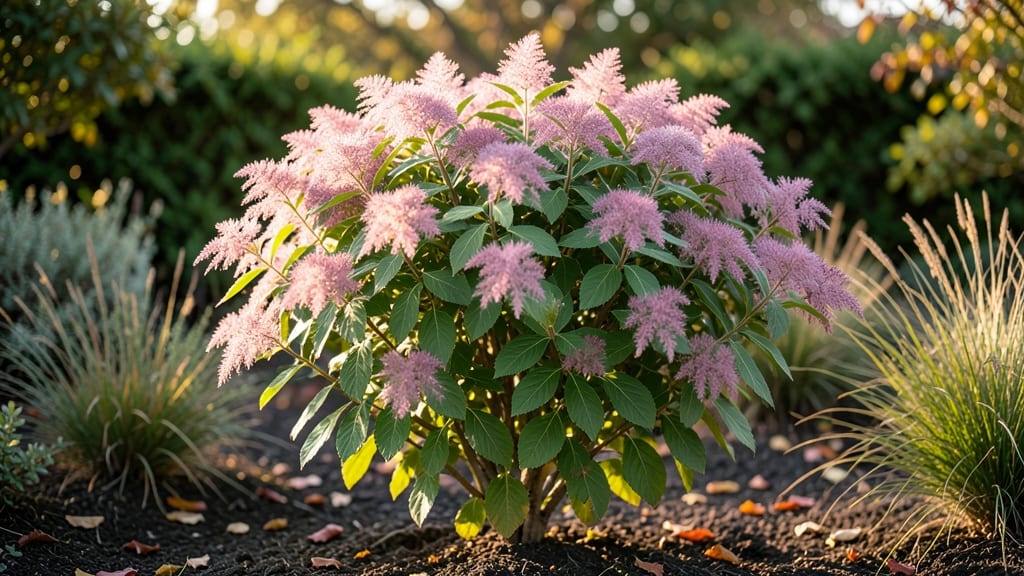
Pruning Japanese smoke bush transforms it from a wild shrub into a showstopper with velvety foliage and those signature smoke-like plumes. 🌿 I’ve learned the hard way that skipping pruning turns this plant into a tangled mess—until you master the right timing and cuts, it just doesn’t live up to its potential.
The key is pruning in late winter or early spring while the plant is still dormant. You’ll shape it into a graceful, multi-stemmed shrub with layers of color, from deep purples to fiery oranges.
Even a light trim in summer keeps it compact and encourages fresh growth for next year’s vibrant display. What you end up with is a year-round focal point—lush in summer, stunning in fall, and even winter-hardy in most zones.
The foliage stays dense, the plumes remain fluffy, and your neighbors will ask how you keep it looking so effortlessly polished. Works for both formal gardens and wild landscapes—just adjust the shape to fit your style. Here’s how to get it right without over-trimming or leaving it too leggy.
📚 In This Guide
- What you need
- Instructions
- Tips and common mistakes
- Wrapping up and next steps
What you need
- ● Pruning shears: Bypass pruners (sharp, clean, and disinfected with rubbing alcohol or bleach solution—1 part bleach to 9 parts water). Size: 6–8 inches for medium branches.
- ● Loppers: For thicker branches (½–1½ inches in diameter). Look for: Ratcheting or bypass loppers for precision cuts.
- ○ Pruning saw: Optional for stubborn, woody branches (>1½ inches). Type: Curved-tooth saw for clean cuts.
- ● Gloves: Heavy-duty gardening gloves (nitrile-coated for grip and protection). Why? Thorns + sharp tools = ouch!
- ○ Disposable pruning sealant: Optional but helpful for sealing cuts on larger branches (diameter >2 inches) to prevent disease.
- ● Ladder or step stool: If your bush is taller than 6 feet—safety first! Tip: Use a stable ladder with non-slip feet.
- ● Trash bags or bucket: For clippings. Pro tip: Line the bucket with a bag for easy disposal.
- ● Hose or spray bottle: To clean tools between cuts and rinse off sap.
- ● Weather: Prune on a dry, overcast day (or early morning) to reduce stress on the plant. Avoid pruning in extreme heat or freezing temps.
- ● Safety gear: Safety glasses (to shield from debris) and closed-toe shoes.
- ● Plant health check: Inspect your bush for diseased or dead branches (they’ll be brown, brittle, or oozing sap). Mark these first!
- ● Sharpness test: Before you start, test your shears on a small branch—they should cut cleanly, not crush.
- ● Hand sanitizer or soap: For cleaning hands after handling sap (some folks are sensitive to it!).
- ● Plant food: A balanced fertilizer (10-10-10 or similar) to give your bush a post-prune boost.
- ● Mulch: Shredded bark or wood chips to protect the root zone after pruning.
- ● Camera or sketchbook: To document your pruning plan—great for tracking progress over time!
Step-by-Step pruning for Japanese smoke bush foliage
Here's how to coax vibrant, year-round color from your smoke bush—no guesswork, just results.
✂️ Step 1: Time Your First Pruning for Late Winter
Prune your Japanese smoke bush (Cotinus) in late winter (February-March) when new growth begins but before buds swell. This is the only time you'll shape the plant's structure—every other cut is about maintenance. I grab my bypass pruners and start by removing dead, crossing, or inward-growing branches first. These are the ones that never get sun and steal energy from the plant.
Look for branches that are brown and brittle—they snap easily when bent. Cut these back to the main trunk or a healthy lateral branch. You'll see the plant's natural shape emerge as you work. Never remove more than 25% of the plant's total foliage in one session, or you risk stressing it. If your bush has overgrown branches, thin them by ⅓ to improve airflow and light penetration.
🌿 Step 2: Encourage Dense Foliage with Spring Maintenance
After the late-winter prune, your smoke bush will burst with fresh pink or purple new growth in spring. This is when you lightly trim to encourage bushier growth. I focus on tips of branches—cutting back by ¼ to ⅓ of their length. This triggers branching at the nodes below, giving you that lush, full look.
Watch for sparse areas where branches grow too far apart. These are your targets—prune just above a leaf bud (the tiny bump where new growth will emerge). Avoid cutting into old wood; smoke bushes respond best to fresh growth. If you see weak, leggy branches, prune them entirely to redirect energy to stronger stems. Water deeply after pruning to help the plant recover.
☀️ Step 3: Summer Pruning for Color and Shape
Summer is all about refining shape and enhancing color. I wait until mid-summer (July-August) to do this, when the plant has fully leafed out. Start by deadheading spent flowers—snip the faded clusters back to the nearest leaf or bud. This keeps the plant looking tidy and encourages more blooms next season.
Next, shape the bush by trimming errant branches that disrupt its natural form. Use your pruners to angle cuts slightly outward—this helps water run off and prevents disease. If a branch grows too long, cut it back to a side shoot rather than the main stem. You'll notice the foliage darkens and intensifies after pruning, especially in varieties like 'Royal Purple' or 'Grace'. Avoid heavy pruning in summer—just light touches to maintain shape.
⏰ Step 4: Minimal Fall Pruning for Winter Prep
Fall is the easiest pruning season—just clean up and prep for winter. Remove any remaining dead or diseased branches before the first frost. I also trim back overly leggy growth that might not survive the cold. Smoke bushes are tough, but a little prep goes a long way. Cut just above a healthy bud or branch junction to encourage new growth in spring.
Resist the urge to prune for shape in fall—focus on removing only what's necessary. The plant’s energy is already shifting toward dormancy, and heavy pruning now can stress it. If you see yellowing leaves, they’re likely just aging—no need to prune those. Instead, rake up fallen leaves around the base to prevent fungal issues over winter. Mulch lightly with 2-3 inches of organic mulch to protect roots.
🌱 Step 5: Year-Round Checks for Health
Pruning isn’t just seasonal—it’s an ongoing conversation with your plant. Twice a year, walk around your smoke bush and spot-check for issues. Look for branches rubbing together (they’ll eventually scar the bark) and prune one to create space. Check for pests like spider mites (tiny webs on undersides of leaves) and treat with neem oil if needed.
If your bush loses color in summer, it might need more morning sun—smoke bushes thrive in full sun to partial shade. Water deeply once a week in dry spells, but avoid soggy soil. The key to bold foliage is consistency: prune lightly in spring and summer, clean up in fall, and let the plant’s natural beauty shine. Over time, you’ll see deeper hues, denser growth, and a bush that stays stunning all year.
Tips & tricks for perfect Japanese smoke bush pruning
These tried-and-true tricks will help you transform your smoke bush into a vibrant, year-round showstopper.
The Late Winter Timing Secret: That February-March window in Step 1 is your golden opportunity to shape the plant's structure. I've learned the hard way—pruning too early can leave your bush vulnerable to cold damage, while waiting too long risks stunting new growth. Look for those tiny buds starting to swell; that's your cue. If you miss this window, don't panic—just wait for spring's maintenance pruning to make adjustments. The key is to never remove more than 25% of foliage in one session, or you'll shock the plant. Think of it like giving your bush a spa day—gentle but effective.
Spring Pruning Technique: When you're cutting back those tips by ¼ to ⅓ in Step 2, here's what I do: I make my cuts just above a leaf bud, always at a 45-degree angle. This little detail makes all the difference—it helps water run off properly and prevents disease. I also use my thumb to feel for the bud while cutting; it's like finding a hidden treasure in your plant! For those leggy branches, I don't hesitate to remove them entirely—they're just sucking energy that could go toward creating that lush, full look we're after. And remember, watering deeply after pruning gives your smoke bush a proper drink to recover.
Summer Color Enhancement: The mid-summer pruning in Step 3 is where you'll see the magic happen with varieties like 'Royal Purple' or 'Grace'. When you're shaping the bush, focus on those errant branches that disrupt the natural form. I always angle my cuts outward—this simple technique prevents water from pooling at the cut site, which can lead to fungal issues. For the darkening effect you'll notice after pruning, that's your plant's natural response to being encouraged to focus its energy on foliage production rather than flower production. It's like giving your bush a makeover—suddenly those deep purple hues pop even more dramatically against the landscape.
Fall Preparation Strategy: That 2-3 inches of organic mulch in Step 4 is non-negotiable for winter protection. I've seen firsthand how mulch acts like a cozy blanket for your smoke bush's roots, shielding them from temperature swings. When you're doing your fall cleanup, take a moment to examine the base of your plant—remove any fallen leaves that might harbor pests or diseases over winter. This is also the perfect time to check for any branches that might be rubbing together; those small scars can become big problems if left unchecked. Think of fall pruning as your plant's final prep before hibernation—light, focused, and purposeful.
Pro Tips for Japanese Smoke Bush
- These tried-and-true tricks will help you transform your smoke bush into a vibrant, year-round showstopper.
- The Late Winter Timing Secret: That February-March window in Step 1 is your golden opportunity to shape the plant's structure.
- Spring Pruning Technique: When you're cutting back those tips by ¼ to ⅓ in Step 2, here's what I do: I make my cuts just above a leaf bud, always at a 45-degree angle.
Frequently asked questions
Got questions about keeping your Japanese Smoke Bush (Cotinus coggygria) vibrant and healthy? You’re not alone! Here are answers to the most common queries—from pruning timing to troubleshooting—so you can master year-round foliage care with confidence.
When is the best time to prune Japanese Smoke Bush?
The ideal time to prune is late winter or early spring (just before new growth begins). This encourages fresh, colorful foliage for the season. Avoid heavy pruning in fall—it can stimulate tender growth that won’t survive winter. For shaping, light trims after blooming (summer) work too, but keep it minimal to avoid stressing the plant.
Can I prune Japanese Smoke Bush in fall?
Pruning in fall is not recommended unless you’re removing dead or diseased branches. Fall pruning can stimulate new growth that’s vulnerable to frost damage. If you must trim, do so early fall (September) and avoid heavy cuts. Always prioritize late winter/early spring for the best results.
How much can I cut back my Japanese Smoke Bush?
Japanese Smoke Bush is highly resilient—you can safely remove up to one-third of the plant’s height in a single pruning session. For dramatic rejuvenation, renewal pruning (cutting back to 6–12 inches above the ground) works, but do this every 3–5 years to avoid overstressing the plant. Younger plants handle pruning better than mature ones.
Why is my Japanese Smoke Bush losing color?
Dull or faded foliage often signals nutrient deficiency, overwatering, or poor sunlight. Ensure it gets full sun (6+ hours/day) and well-draining soil. Fertilize in spring with a balanced, slow-release formula. Yellowing leaves? Check for iron deficiency—apply chelated iron if needed. Purple hues fade in shade; relocate if possible.
What’s a good alternative if Japanese Smoke Bush doesn’t thrive in my climate?
If your zone is too cold (below Zone 5) or too hot/humid, consider these hardy alternatives:
- Smokebush (Cotinus americanus) – Native to the U.S., more cold-hardy (Zone 4).
- Ninebark (Physocarpus opulifolius) – Similar foliage, thrives in Zones 2–7.
- Viburnum (Viburnum bodnantense) – Winter interest with fewer pruning needs.
Pro Tip:
Always sterilize pruners with rubbing alcohol between cuts to prevent disease spread. And never prune when the plant is wet—this can introduce bacterial infections. Happy trimming!
Wrapping up and next steps
The Japanese Smoke Bush is a stunning addition to any garden, offering year-round drama with its fiery foliage. By mastering the art of pruning—whether for shape, rejuvenation, or color enhancement—you can keep this beauty thriving and vibrant. Now’s your chance to step into your green thumb’s potential!
Ready to transform your landscape? Grab your pruners and start experimenting—your Smoke Bush will thank you with bold, lush color all year long! 🌿✨