
How To
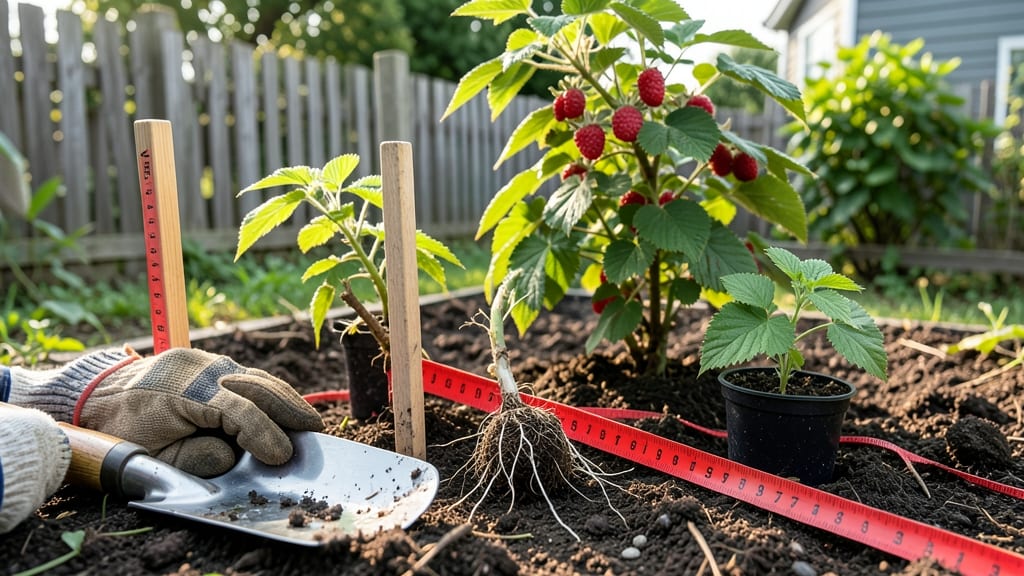
Planting raspberry bushes 18–24 inches apart is the first step to a thriving patch — but get it wrong, and you’ll end up with tangled canes, fewer berries, and a whole lot of frustration.
Picture this: a 6-foot-tall raspberry 🍇 crowding its neighbor, leaves scraping against each other, and berries hiding in the shadows. That’s not just a mess—it’s a recipe for disease and stunted growth.
The right spacing isn’t just about fitting more bushes in; it’s about giving each plant room to breathe, stretch, and produce the sweet, plump berries you’re dreaming of.
Different raspberry varieties need different spacing, and soil type, trellis systems, and even your garden’s layout play a role. Summer-bearing types might need 3–4 feet between plants, while everbearing or fall-bearing varieties can sometimes squeeze in a little closer—if you’re willing to prune like a pro.
Below, I’ll break down the exact measurements, why they matter, and how to adjust for small spaces, containers, or tricky terrain.
Ready to turn your raspberry patch from a tangled jungle into a high-yielding, easy-to-harvest oasis? Let’s dive into the spacing rules that’ll have you picking berries like a pro by next summer.
Raspberry bush spacing guidelines by variety: summer-bearing vs everbearing vs fall-bearing
When planting raspberry bushes, spacing isn't one-size-fits-all. Different varieties have unique growth habits that demand specific distances to thrive.
Summer-bearing types like Boyne Gold or Heritage need more room to develop thick canes and produce abundant berries, while everbearing varieties like Caroline or Fall Red can handle slightly closer spacing. Getting this right prevents disease spread, maximizes sunlight exposure, and makes harvesting easier.
Let’s break down the exact measurements for each type and why they matter.
The key to successful raspberry spacing lies in balancing airflow, sunlight penetration, and root competition. Too close, and you’ll get tangled canes, fungal diseases, and poor fruit quality. Too far, and you waste garden space.
For summer-bearing varieties, standard spacing is 3–4 feet apart in rows 6–8 feet apart. Everbearing types can sometimes be planted 2–3 feet apart, but only if you’re committed to aggressive pruning. Fall-bearing varieties fall somewhere in between, typically needing 2.5–3.5 feet of space.
| Variety Type | Standard Spacing (inches) | Trellis Spacing (inches) | Row Spacing (feet) | Why It Matters |
|---|---|---|---|---|
| Summer-Bearing | 36–48 | 30–36 | 6–8 | Thick canes need space to prevent tangling and disease |
| Everbearing | 24–36 | 18–24 | 4–6 | Frequent harvests require closer monitoring and pruning |
| Fall-Bearing | 30–42 | 24–30 | 5–7 | Balanced cane thickness and fruit production |
Summer-bearing raspberries, like Heritage or Nova, produce fruit on second-year canes that grow thick and woody. This is why they need the most space—3–4 feet apart—to prevent canes from rubbing together, which spreads cane blight and gray mold.
Row spacing of 6–8 feet ensures sunlight reaches the center of the row, where canes often get shaded out. If you’re using a trellis system, you can reduce plant spacing to 2.5–3 feet since vertical support keeps canes off the ground and improves airflow.
Everbearing varieties, such as Caroline or Fall Gold, produce fruit on both first-year and second-year canes, which means they grow more densely. This allows for slightly closer spacing—2–3 feet apart—but only if you’re prepared to prune aggressively twice a year.
Without pruning, canes will tangle, and yields will suffer. For trellised everbearing varieties, you can reduce spacing to 1.5–2 feet, but this requires regular thinning to maintain airflow. Row spacing should be 4–6 feet to allow easy access for harvesting and pruning.
Fall-bearing raspberries, like Fall Red or Ottawa, are a hybrid of summer- and everbearing types, producing fruit on second-year canes but with a second flush in fall. They need 30–42 inches of space to accommodate their moderate cane thickness.
Trellising can reduce this to 24–30 inches, but you’ll still need 5–7 feet between rows to ensure sunlight reaches all canes. Fall-bearing varieties are often overlooked, but their extended harvest window makes them a high-value addition to any berry patch.
One of the biggest mistakes gardeners make is ignoring soil type when spacing raspberries. In clay-heavy soil, roots struggle to spread, so increasing spacing to 4–5 feet gives them room to grow deeper.
Conversely, in sandy soil, roots spread wide, so you can reduce spacing slightly to 2.5–3 feet while ensuring rows are 6–8 feet apart for airflow. Always amend planting holes with compost to improve drainage and nutrient availability, regardless of soil type.
For trellis systems, spacing becomes even more critical. Canes need support to grow vertically, which changes their growth pattern. Summer-bearing varieties on trellises can be planted 2.5–3 feet apart in rows 6–8 feet apart, while everbearing types can go as close as 1.5–2 feet.
The key is ensuring the trellis is 6–8 feet tall and sturdy enough to support the weight of fruiting canes. Without proper trellising, canes will flop over, making harvesting difficult and increasing disease risk.
Proper spacing also makes harvesting and maintenance a breeze. With the right distances, you can walk between rows without disturbing the plants, reducing soil compaction and root damage. It also allows sunlight to reach the center of the plant, where berries often hide in the shade.
For example, a well-spaced summer-bearing patch will have 30–40% more sunlight exposure compared to one planted too closely. This translates to larger berries, better flavor, and fewer diseases like botrytis.
If you’re working with limited space, consider dwarf varieties like Boyne Gold Dwarf or Heritage Dwarf
How to adjust raspberry bush spacing for different garden layouts and soil conditions
Not all gardens are created equal, and neither are raspberry bush spacing needs. Whether you're working with a small urban yard, sloped terrain, or poor soil conditions, adjusting your spacing strategy can mean the difference between a thriving patch and a struggling one.
The key is balancing airflow, sunlight exposure, and root competition while adapting to your unique space. Let's break down how to make it work for your situation.
For small spaces, container gardening, or tight urban plots, you'll need to get creative with vertical trellising and companion planting. These methods allow you to grow more raspberries in less space without sacrificing yield or plant health.
The same principles apply when dealing with poor soil quality—proper spacing helps prevent disease and allows roots to access nutrients more effectively. Let's explore the practical adjustments you can make.
🌱 Adjusting Raspberry Spacing for Your Garden
- Small Spaces/Containers: Reduce spacing to 12-18 inches apart in rows 3-4 feet apart. Use vertical trellises to save space.
- Sloped Terrain: Plant in contoured rows with 24-36 inches between plants and 5-6 feet between rows to prevent erosion.
- Poor Soil: Increase spacing to 3-4 feet apart to allow roots to access deeper, richer soil layers. Amend soil with compost in planting holes.
- Row Spacing: Standard rows should be 6-8 feet apart for summer-bearing varieties, but reduce to 4-5 feet for everbearing types.
- Trellis Systems: Use 3-4 foot spacing between plants when trellising, with 6-8 foot row spacing to allow harvest access.
When working with sloped terrain, the goal is to prevent erosion while maintaining proper drainage. Planting in contoured rows that follow the natural slope of your land helps water flow away from the plants rather than pooling around them.
For steep slopes, consider terracing to create level planting areas. This not only improves water management but also makes harvesting easier and reduces soil erosion risks.
For gardens with poor soil conditions, increasing the spacing between plants allows their roots to grow deeper and access nutrients from larger soil volumes. Combine this with soil amendments like compost or well-rotted manure in the planting holes to give your raspberries a nutrient boost.
If your soil is particularly compacted, consider planting in raised beds to improve drainage and root growth.
Don't forget about companion planting as a way to maximize space and improve plant health. Planting low-growing companions like strawberries, thyme, or lettuce between raspberry rows helps suppress weeds, improve soil health, and attract beneficial insects.
Just be sure to choose companions that won't compete with raspberries for nutrients or shade.
Remember, proper spacing isn't just about the numbers—it's about creating an environment where your raspberry bushes can thrive. Whether you're working with limited space, challenging terrain, or less-than-ideal soil, these adjustments will help you get the most out of your berry patch while keeping your plants healthy and productive.
With the right spacing strategy, you'll be enjoying a bountiful harvest in no time! 🍇