
Blooming
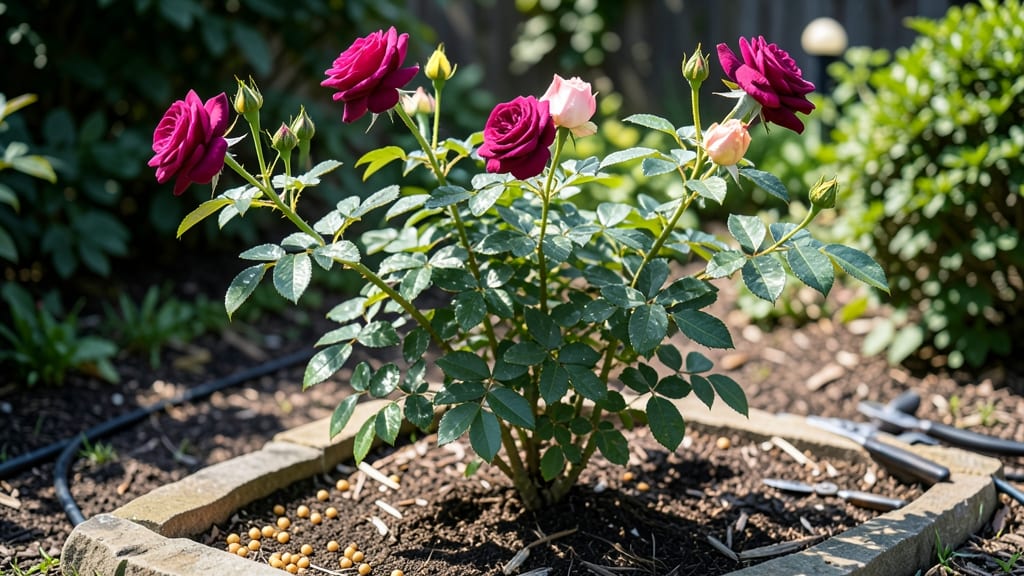
Keeping a rose bush blooming nonstop starts with a single, sharp cut. ✂️ My first year with roses, I pruned too late and ended up with a bush that looked like a tangled mess by June—until I learned the secret: prune at the right time, and you’ll trigger a wave of new blooms every 6-8 weeks.
The key isn’t just cutting back; it’s cutting strategically to encourage fresh growth while removing spent flowers before they form hips.
Most gardeners mess this up by waiting until spring or pruning too aggressively, which stresses the plant.
Instead, I prune three times a year—once in early spring to shape the bush, again after the first flush of blooms to encourage the next round, and a light trim in late summer to prep for fall.
Pair that with balanced fertilizer (high in phosphorus for blooms) and deep watering (1-2 inches per week), and you’ll see roses pushing out new buds like clockwork.
By midseason, your bush will look like a cloud of petals instead of a few scattered blooms. The secret’s in the timing and technique: always cut just above an outward-facing bud, never leaving stubs, and never pruning in fall unless you’re in a mild climate.
Even my black thumb roses now bloom from May through October with almost no effort—once you get the rhythm down, it’s almost foolproof.
This works for hybrid teas, floribundas, and even shrub roses, though climbers need a slightly different approach. The biggest mistake? Skipping the light summer pruning—that’s what keeps the flowers coming instead of one big burst followed by bare branches.
Stick with me, and your roses will outperform every neighbor’s bush.
📚 In This Guide
- What you need
- Instructions
- Tips and common mistakes
- Wrapping up and next steps
What you need
- ● Pruning shears: Sharp, bypass-style (not anvil) shears with 4- to 6-inch blades for precision cuts.
- ● Garden gloves: Heavy-duty, cut-resistant gloves (size medium or large) to protect your hands from thorns.
- ● Disinfectant (70% isopropyl alcohol or bleach solution): 1 part bleach to 9 parts water for sterilizing tools.
- ● Rose fertilizer: Balanced, slow-release (10-10-10 or 5-10-5 NPK ratio) or organic options like composted manure.
- ● Mulch: 2-4 inches of organic mulch (straw, wood chips, or shredded bark) to retain moisture and regulate soil temperature.
- ● Watering can or hose with adjustable nozzle: For deep, consistent watering (aim for 1-1.5 inches per week).
- ● Staking or support system: 4-6 foot bamboo stakes or flexible wire cages for climbing roses.
- ● Hand pruners: Smaller, ergonomic shears for tricky spots.
- ● Rose food (high-phosphorus): Like 10-30-20 for blooming boosts during peak season.
- ● Soil moisture meter: To check hydration levels without guesswork.
- ● Epsom salt: 1 tablespoon per gallon of water monthly for magnesium boosts (great for green foliage!).
- ● Fungicide (copper-based or neem oil): For prevention of black spot or powdery mildew.
- ● Garden journal: To track pruning dates, fertilizer applications, and blooming cycles.
Step-by-Step pruning guide for nonstop rose blooms
Here’s the simple, science-backed method I’ve used to keep roses flowering like clockwork—no dead branches or wasted energy.
✂️ Step 1: Prune for Shape and Airflow in Late Winter
Wait until your last frost date has passed, then cut back one-third of the plant’s height with clean, sharp pruners. I always start by removing dead or diseased wood—it’s the easiest way to prevent future problems. Look for blackened canes or mushy stems; these won’t recover. Cut just above a 5-leaf cluster (called a "bud union") to encourage new growth from the right spot.
Shape the bush like a rounded vase, wider at the base and narrower at the top. This lets sunlight and air reach the center, where fungal diseases love to hide. If you see crossing branches, remove the smaller one—they compete for nutrients and weaken blooms. After pruning, spray the cuts with fungicide (like neem oil) to seal them and prevent infection.
✂️ Step 2: Deadhead and Fertilize After Each Bloom
As soon as a rose flower fades, snip the entire spent bloom (including the small stem below it) with pruners. This trick tells the bush to redirect energy into new buds instead of seed production. I do this every 2-3 days during peak bloom season—it’s the secret to continuous flowers. If you miss a bloom, don’t panic; just cut back to the nearest healthy 5-leaf cluster on the stem.
After deadheading, feed your roses with a balanced fertilizer (10-10-10 ratio) every 4-6 weeks during growing season. I mix it into the soil around the base, then water deeply to help roots absorb it. Avoid over-fertilizing—too much nitrogen makes leaves grow fast but blooms slow down. If your roses are leafy but not flowering, cut back on fertilizer and focus on pruning instead.
☀️ Step 3: Thin Out Overcrowded Canes in Early Summer
In June or July, inspect your rose bush for thin, weak canes—these are the ones that never produce strong blooms. Remove them completely at the base. You’ll also spot overcrowded stems competing for sunlight. Trim back the oldest canes (they’re usually the thickest at the base) to make room for younger, more productive growth. Aim to leave 3-5 strong canes per bush; this keeps energy focused on fewer, healthier stems.
While you’re at it, check for suckers—those are the little shoots growing from the base or along the main stem. These steal energy from your blooms, so snip them off at the ground. After thinning, give your roses a light mulch (2-3 inches of shredded bark) to retain moisture and keep roots cool. Water deeply once a week during dry spells, but avoid wetting the leaves—this invites fungal diseases like black spot.
✂️ Step 4: Light Pruning for Fall and Winter Care
In late fall, do a light cleanup—remove any dead or diseased wood and cut back weak, leggy stems by half. This keeps the bush tidy and reduces winter damage. Stop fertilizing by mid-September so new growth doesn’t get damaged by frost. Wrap the bush in burlap or frost cloth if your winters dip below 20°F—this protects tender canes from cracking.
In early spring, just before buds swell, do a final prune to remove any frost-damaged wood. Look for blackened or shriveled canes—these won’t bloom well. Cut them back to healthy wood, and your bush will reward you with stronger, more abundant flowers all season. The key is consistency: prune at the right times, and your roses will keep blooming like they’re on a never-ending show.
Tips & tricks for perfect rose pruning
Here's what nobody tells you about keeping roses blooming like clockwork—these little details make all the difference.
Timing is Everything: The late winter prune (Step 1) should happen after your last frost date, but before buds swell. I've seen gardeners prune too early and accidentally remove next year's blooms! Check your local frost dates and mark your calendar—this single step prevents wasted energy and sets up your bush for a spectacular season. The goal is to shape while the plant is still dormant but ready to wake up.
Deadheading Discipline: In Step 2, those 2-3 days between deadheading sessions might seem like overkill, but it's the secret to nonstop blooms. I learned this the hard way after skipping a week—my roses took a full month to rebound. Use sharp pruners and cut just below the 5-leaf cluster (the "bud union") to redirect energy efficiently. This isn't just about looks; it's about telling your rose bush, "Keep making flowers, don't make seeds."
Cane Selection Strategy: When thinning in Step 3, focus on the "3-5 strong canes" rule like your garden depends on it (because it does). The thickest canes at the base are usually the oldest—they've already produced their best blooms. Remove them completely to make room for younger, more vigorous growth. I always count canes while I'm working; it's amazing how quickly a bush can go from overcrowded to perfectly balanced.
Winter Protection Wisdom: That 20°F threshold in Step 4 isn't arbitrary—it's when rose canes start suffering frost damage. If you're in a colder climate, invest in frost cloth rather than burlap. It's lighter, breathes better, and actually works. I've seen gardeners wrap bushes too tightly, which traps moisture and leads to rot. Leave some airflow around those canes, and your roses will thank you with stronger blooms next spring.
Pro Tips for Keep A Rose Bush Blooming
- Here's what nobody tells you about keeping roses blooming like clockwork—these little details make all the difference.
- Timing is Everything: The late winter prune (Step 1) should happen after your last frost date, but before buds swell.
- Deadheading Discipline: In Step 2, those 2-3 days between deadheading sessions might seem like overkill, but it's the secret to nonstop blooms.
Frequently asked questions
Why do my rose blooms keep fading quickly after opening?
This is often due to overwatering or poor drainage. Roses prefer well-draining soil—water deeply but only when the top 2 inches of soil are dry. Also, ensure your bush gets 6+ hours of sunlight daily and avoid fertilizing with high-nitrogen blends (which encourage foliage over flowers). Deadhead spent blooms promptly to redirect energy to new buds!
Can I prune roses in winter to encourage spring blooms?
Yes! Late winter (just before new growth starts) is the best time for major pruning. Focus on removing dead, diseased, or crossing branches—cut at a 45-degree angle just above an outward-facing bud. Avoid heavy pruning in fall (it invites pests) or spring (you’ll miss early blooms). Pro tip: Wear gloves—roses can be thorny!
What’s the easiest way to revive a rose bush that stopped blooming?
Start with a soil test—roses need slightly acidic soil (pH 6.0–6.5). Amend with compost if the soil is poor, and switch to a low-nitrogen, high-phosphorus fertilizer (like 5-10-5) to boost flowering. Check for pests (aphids, spider mites) and treat with neem oil if needed. Finally, reduce watering slightly—overwatering stresses plants and halts blooms.
Are there rose varieties that bloom nonstop with less effort?
Floribunda
and grandiflora roses (like ‘Knock Out’ or ‘Oso Easy’) are bred for continuous blooming with minimal pruning. Climbing roses (e.g., ‘New Dawn’) also thrive with one pruning per year. For low-maintenance, try shrub roses—they’re hardy and forgiving. Note: Even these need regular deadheading and seasonal pruning for best results!
How do I protect my rose bush from frost without killing the blooms?
Use frost cloth or a lightweight blanket to cover the bush on cold nights (remove during the day). Avoid heavy mulch right up against the stem—leave a 2-inch gap to prevent rot. For late-season blooms, trim back frost-damaged canes in early spring, but leave 3–4 healthy buds per stem to encourage regrowth. Bonus: Plant windbreak barriers to shield roses from harsh winds!
Wrapping up and next steps
Keeping your rose bush blooming year-round is all about consistent care, smart pruning, and a little patience—but the results are oh-so-worth it! 🌹 With the right techniques, you’ll enjoy lush, vibrant blooms that turn heads and fill your garden with beauty.
Start by mastering seasonal pruning, feeding your plant the right nutrients, and protecting it from pests—your roses will thank you with nonstop color.
Now that you’re armed with the secrets, roll up your sleeves and get pruning! 🌱 Grab your shears, pick a sunny day, and watch your rose bush thrive. Happy gardening—and happy blooming!