
Pruning
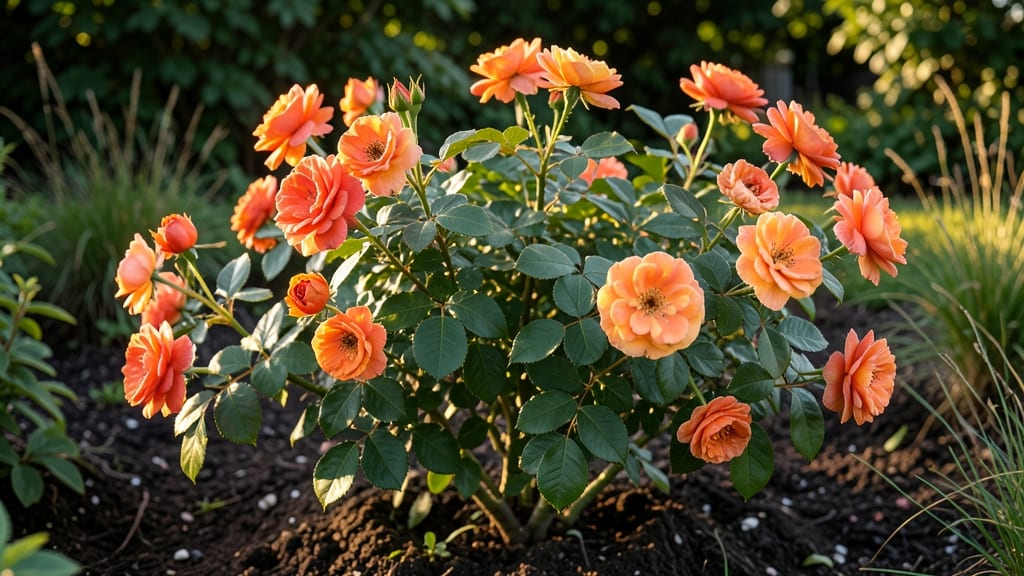
My Tropical Sunset rose bush taught me pruning isn’t just cutting—it’s a conversation with the plant. 🌹 After years of struggling with sparse blooms, I discovered how strategic pruning turns this rose into a nonstop summer show, even in cooler months.
The secret lies in understanding its growth patterns and when to encourage new flushes of vibrant blooms.
This rose thrives in zones 7-10, where frost isn’t a constant threat, but even in cooler climates, you can extend its bloom season with the right techniques. Start with well-draining soil and full sun—at least 6 hours daily—and you’ll set the stage for lush, disease-resistant growth.
The pruning itself is simpler than it seems: focus on shaping in early spring and light maintenance cuts after each bloom cycle.
By mid-summer, you’ll see bold coral-pink blooms appearing in waves, with the plant staying compact and vigorous. The key is timing: prune just after blooms fade to stimulate new growth, and avoid heavy cuts in fall unless you’re in a frost-prone area.
This method has kept my bushes flowering nearly year-round with minimal effort.
Works for both garden beds and containers, and the same principles apply whether you’re dealing with a single bush or a full rose garden. Let’s get those blooms going strong!
📚 In This Guide
- What you need
- Instructions
- Tips and common mistakes
- Wrapping up and next steps
What you need
- ● Pruning shears: Bypass pruners (sharp, clean, and sterilized with rubbing alcohol or bleach to prevent disease). 1 pair (invest in high-quality tools like Felco or Fiskars).
- ● Hand pruners: For smaller branches and deadheading. 1 pair (e.g., Corona or Razor-Back).
- ● Gloves: Heavy-duty gardening gloves (cut-resistant, like those from Tough Outdoors or Glovework) to protect against thorns.
- ● Disinfectant: 1-part bleach to 9-parts water (or 70% isopropyl alcohol) for tool sterilization.
- ○ Pruning saw: Optional but helpful for thick, woody stems (1, like the Fiskars X7).
- ● Rake or broom: For clearing debris after pruning (1).
- ● Compost bin or bag: To collect pruned branches and leaves (1).
- ● Pruning sealant: (e.g., Tanglefoot Tree Wound Pruning Sealer) for large cuts to prevent disease.
- ● Plant food: Balanced fertilizer (e.g., 10-10-10 NPK) to revive the bush post-pruning.
- ● Mulch: Organic mulch (like pine bark) to retain moisture and protect roots.
- ● Watering can or hose: With a gentle spray nozzle for post-pruning hydration.
- ● Notebook & pen: To track pruning dates and notes on bush health.
Step-by-Step guide to reviving year-round blooms in Tropical Sunset roses
Here’s how to coax continuous, vibrant blooms from your Tropical Sunset rose using precise pruning techniques rooted in seasonal science.
✂️ Step 1: Assess and Prepare for Seasonal Pruning
Start by examining your rose bush for dead, diseased, or crossing branches. I grab my pruning shears and cut at a 45-degree angle, just above an outward-facing bud. This angle prevents water from pooling on the cut and encourages new growth to angle away from the center.
Remove any branches that rub against each other—they’ll create wounds that invite pests and disease. Look for thornless canes or those with weak, spindly growth; these rarely produce strong blooms and should go first. I always prune on a dry, sunny morning when the plant’s defenses are highest.
🌿 Step 2: Perform the Late-Winter Revitalization Cut
In late winter, when your region’s last frost has passed but before new growth begins, it’s time for the hard prune. Cut back one-third to one-half of the plant’s height, focusing on older wood to stimulate fresh, vigorous growth. The goal is to open the center of the bush to airflow and sunlight—this is how you prevent fungal issues and encourage dense blooming.
I make my cuts just above a healthy outward-facing bud, ensuring the new growth will angle away from the center. Avoid leaving stubs or cutting too close to the bud; this is where many gardeners go wrong. If you’re unsure which bud to target, look for the one with the most vibrant color and firmest texture.
☀️ Step 3: Summer Pruning for Continuous Blooms
Throughout the summer, I prune every 4-6 weeks to maintain shape and encourage new flower buds. After each bloom fades, I deadhead by cutting back to the first five-leaflet leaf below the bloom. This signals the plant to redirect energy into producing new flowers instead of seed pods.
Watch for overly leggy growth—this is a sign your rose needs more light or pruning to balance its structure. If you see water-sprouts (thin, fast-growing shoots with no leaves), remove them immediately. These sap-suckers drain energy from your blooms and should never be allowed to mature.
💧 Step 4: Autumn Maintenance for Winter Hardiness
As temperatures drop in autumn, shift focus to preparing the plant for dormancy. Cut back any remaining blooms and reduce watering slightly, but keep the soil moist enough to prevent stress. I also apply a 2-3 inch layer of mulch around the base to insulate roots and retain moisture.
Remove any remaining dead or weak canes, but avoid heavy pruning now—this can stimulate new growth that won’t harden off before winter. Instead, focus on cleaning up debris around the base, which reduces hiding spots for pests and fungal spores over the cold months.
⏰ Step 5: Post-Winter Stimulation Prune
In early spring, when you see new buds beginning to swell, it’s time for a light pruning to shape the bush and remove any winter damage. Cut back any dead canes completely and trim back any branches that grew too long over winter. This is also the time to fertilize lightly—I use a balanced rose fertilizer to encourage robust new growth.
Watch for pale green or yellowing leaves as a sign of nutrient deficiency or over-fertilization. Adjust your approach accordingly—sometimes less is more. With these steps, your Tropical Sunset rose will reward you with continuous, vibrant blooms from spring through fall.
Tips & tricks for perfect Tropical Sunset rose care
These pruning secrets will transform your rose bush from seasonal bloomer to year-round showstopper.
Tool Selection: Invest in sharp, high-quality pruning shears—dull blades crush stems instead of making clean cuts. I use bypass pruners for larger canes and a pair of sharp scissors for smaller trims. Sterilize your tools with rubbing alcohol between cuts to prevent spreading disease from infected branches. This simple step can mean the difference between a healthy bush and one struggling with black spot or powdery mildew.
Seasonal Timing: The late-winter hard prune (Step 2) is your most critical cut—don't rush it! Wait until your region's last frost has passed but before new growth begins. I check my local frost date calendar and mark the window in my gardening journal. For tropical Sunset roses, this typically means pruning in early March in most US zones. The exact timing varies by climate, so observe your plant's dormancy cues rather than following a rigid calendar.
Bud Identification: When making cuts, always target outward-facing buds to encourage an open, airy growth habit. Look for buds that are plump, firm, and positioned at a 45-degree angle from the stem. I run my thumb along the cane to feel for these buds—they should have a slightly raised, swollen appearance. This technique creates the perfect framework for abundant blooms while preventing the dense, tangled growth that invites fungal problems.
Post-Pruning Care: After your hard prune, apply a balanced rose fertilizer at half-strength to avoid shocking the plant. I use a slow-release granular fertilizer that provides nutrients over 3-4 months. Water deeply immediately after pruning to help the plant recover. In the weeks following, monitor for new growth—this is your reward for precise pruning! If you notice yellowing leaves, it's often a sign of over-fertilization rather than nutrient deficiency.
Pro Tips for Tropical Sunset Rose Bush
- These pruning secrets will transform your rose bush from seasonal bloomer to year-round showstopper.
- Tool Selection: Invest in sharp, high-quality pruning shears—dull blades crush stems instead of making clean cuts.
- Seasonal Timing: The late-winter hard prune (Step 2) is your most critical cut—don't rush it!
Frequently asked questions
Got questions about keeping your Tropical Sunset Rose Bush blooming year-round? You’re not alone! Here are answers to the most common queries—from pruning tips to troubleshooting—so you can enjoy those stunning sunset hues all season long.
When is the best time to prune my Tropical Sunset Rose Bush for maximum blooms?
The ideal time to prune is late winter or early spring (just before new growth starts) to encourage vibrant blooms. However, you can also do a light pruning after each major bloom cycle to maintain shape and promote continuous flowering. Avoid heavy pruning in fall—this plant thrives on warmth!
How much should I cut back? Will I hurt the bush if I prune too much?
For Tropical Sunset Roses, aim to remove 1/3 of the oldest canes (those without blooms) and trim back any leggy or crossing branches. Never cut more than 20-30% of the plant’s total volume at once—this ensures it retains energy for regrowth. Think of it like a haircut: confidence, not a buzz cut!
Can I prune in summer? What if it’s too hot?
Yes, but with caution! Prune on a cool, cloudy morning to reduce stress. Avoid midday heat, which can shock the plant. If you must prune in summer, water deeply before and after and consider a light trim (removing only dead or damaged branches) to minimize stress. Hydration is key—think of it as giving your rose a spa day!
What if my Tropical Sunset Rose isn’t blooming after pruning?
Several factors could be at play: lack of sunlight (6+ hours of direct light is ideal), over-fertilizing with high nitrogen (which promotes leaves over blooms), or poor drainage. Try switching to a bloom-boosting fertilizer (low nitrogen, high phosphorus) and ensure it’s in a well-draining spot. Patience is key—some varieties take 4-6 weeks to rebound!
Are there alternatives to pruning for encouraging blooms?
While pruning is the gold standard for continuous blooms, you can also:
- Deadhead spent blooms regularly to redirect energy to new flowers.
- Ensure consistent moisture (but avoid soggy soil).
- Provide balanced fertilizer every 4-6 weeks during growing season.
- Protect from frost or cold drafts—these roses are tropical and hate chill!
Wrapping up and next steps
Transforming your tropical sunset rose bush into a year-round blooming beauty is simpler than you think! With the right pruning techniques—like strategic cuts, seasonal timing, and proper tool care—you’ll unlock vibrant, continuous flowers that steal the show. 🌺✨
Ready to take action? Start by grabbing your pruners and scheduling your first maintenance session this weekend. Watch your rose bush thrive, and soon, you’ll be the envy of every gardener in the neighborhood!