
Pruning
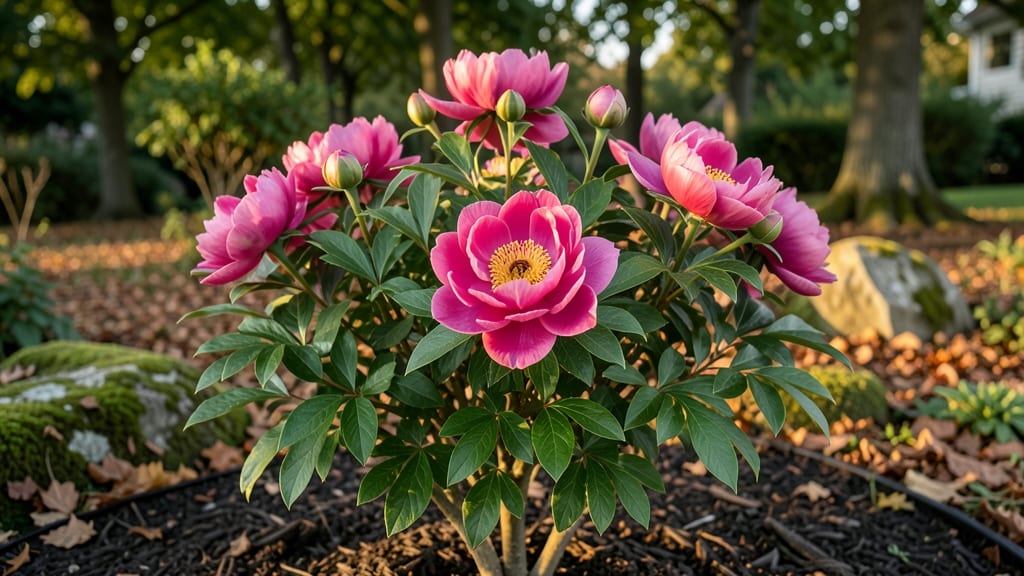
Tree peony bushes (Paeonia suffruticosa) are the showstoppers of late spring gardens—until you accidentally prune them at the wrong time. 🌸 I’ve watched these woody beauties go from lush, blooming shrubs to sad, bare sticks after well-meaning but misguided cuts. The secret to keeping them flowering for decades?
Pruning at the right time, in the right way. These aren’t your grandmother’s herbaceous peonies—they’re tougher, hardier, and bloom on old wood, meaning aggressive pruning can actually rob you of flowers. The key is light shaping after blooms fade, never cutting back into last year’s growth.
A single strategic cut can mean the difference between a bush covered in 5-inch blooms and one struggling to recover. By summer’s end, you’ll spot those telltale buds forming for next year’s flowers—proof you’re on the right track. The payoff?
A tree peony that rewards your patience with years of dramatic, repeat blooms and that coveted "wow" factor in your landscape. Works for zones 4-8, from full sun to partial shade. Let’s get those shears sharp and those branches shaped!
📚 In This Guide
- What you need
- Instructions
- Tips and common mistakes
- Wrapping up and next steps
What you need
- ● Tree peony bush (healthy, mature plant—prune only after blooming)
- ● Pruning shears – clean, sharp, and disinfected (bypass pruners recommended for precision)
- ● Garden gloves – cut-resistant for protection
- ● Disinfectant (70% isopropyl alcohol or bleach solution) – to sterilize tools between cuts
- ○ Pruning sealant (optional) – for large cuts to prevent disease
- ● Loppers – for thicker branches (1–2 inches)
- ● Hand saw (pruning saw) – for stubborn, woody stems
- ● Garden twine or zip ties – to support heavy branches post-prune
- ● Rake or broom – to clear debris after pruning
- ● Notebook & pen – to sketch pruning plans or track growth
- ● Know your tree peony’s blooming time – Prune immediately after flowers fade (late spring/early summer).
- ● Check weather forecast – Avoid pruning in extreme heat or rain (wait for mild, dry conditions).
- ● Clear workspace – Remove weeds, rocks, or obstacles around the bush.
Instructions for pruning tree peony bushes to maximize blooms
Tree peonies are the showstoppers of late spring, but their beauty demands precision pruning. Here’s how to revive blooms year after year with cuts that balance health and spectacle.
✂️ Step 1: Prune Immediately After Blooming
Right after flowers fade—typically in late May or June—cut back the spent blooms to just above the first set of healthy leaves. This prevents seed formation and redirects energy into next year’s buds. Use clean, sharp pruners to avoid crushing stems, which invites disease.
Watch for the first true leaf below the faded bloom—this marks where new growth will emerge. Cutting too high removes next year’s flower buds, while cutting too low risks damaging the stem. Aim for a 45-degree angle to encourage water runoff and prevent rot.
✂️ Step 2: Thin Out Overcrowded Stems in Early Summer
In July, inspect the bush for stems that are thinner than a pencil or growing at odd angles. These are weak competitors for nutrients. Remove them at the base with a single, clean cut. Overcrowding stresses the plant and reduces bloom quality.
Real talk: If you see three or more stems growing from the same spot, thin to the strongest two. This ensures the remaining stems have room to develop thick, sturdy canes—critical for supporting heavy blooms. Never remove more than one-third of the stems in a single season.
✂️ Step 3: Lightly Shape in Late Summer for Airflow
By August, focus on airflow and light penetration. Trim any stems that cross or rub against others, as friction weakens bark and invites fungal infections. Cut back only the outermost growth, leaving inner stems untouched to preserve next year’s buds.
Here’s the thing—tree peonies bloom on old wood, so avoid heavy pruning. Instead, use your fingers to gently guide stems away from the center. If a stem is dead or brown (no green beneath the bark), remove it entirely. Healthy stems should feel firm and snap cleanly when bent.
✂️ Step 4: Winter Pruning for Structure (Optional)
If your climate dips below 10°F, wait until early spring (before buds swell) to do any final shaping. Remove only dead, broken, or excessively long stems—never cut back more than 10% of the plant’s total growth. Tree peonies are slow to recover from aggressive winter cuts.
I like to leave 3-4 strong stems per bush as a framework. This creates an open, vase-like shape that showcases blooms while allowing sunlight to reach the center. Avoid "rejuvenation pruning" (cutting back to the ground)—tree peonies resent this and may take years to rebloom.
🌱 Step 5: Post-Pruning Care for Recovery
After pruning, water deeply to help the plant recover. Apply a 2-3 inch layer of mulch (like shredded bark) around the base to retain moisture and regulate soil temperature. Avoid piling mulch against the stems—keep it 2 inches away to prevent rot.
You’ll see new growth within 2-3 weeks if conditions are right. If leaves yellow or wilt after pruning, it’s a sign of over-pruning or stress. Adjust next year by cutting back less. Tree peonies reward patience—consistent, gentle pruning builds a bush that blooms like clockwork for decades.
Tips & tricks for perfect tree peony pruning
Precision cuts make all the difference when it comes to keeping your tree peonies blooming like clockwork. Here’s what I’ve learned after years of pruning these showstopper shrubs.
Timing is Everything: The late May-June window for Step 1 isn’t just a suggestion—it’s when the plant naturally shifts energy from blooms to next year’s buds. If you miss this, you risk either removing flower buds or letting the plant waste energy on seed formation. I’ve seen bushes that bloomed half as much in years when I pruned even a week late.
Tool Prep Prevents Problems: Before you make a single cut, sterilize your pruners with rubbing alcohol. I’ve had to completely remove bushes that developed bacterial cankers from dirty tools. Also, always cut at a 45-degree angle—this isn’t just for aesthetics, it prevents water from pooling at the cut site, which can lead to rot. The 45-degree angle creates a natural water runoff that keeps the wound dry.
Stem Strength Matters: When thinning in July (Step 2), focus on stems thicker than a pencil—these are the ones that will support next year’s heavy blooms. I’ve seen peony stems snap under the weight of fully opened flowers when they weren’t sturdy enough. The "one-third rule" isn’t arbitrary: it maintains the plant’s energy balance while still improving airflow and light penetration.
Winter Care Strategy: In climates below 10°F, that early spring pruning (Step 4) is your last chance to shape the bush before dormancy. I’ve found that leaving 3-4 strong stems creates the perfect vase-like structure that makes each bloom stand out. The key is to work with the plant’s natural growth patterns rather than forcing a shape—tree peonies appreciate gentle guidance more than aggressive reshaping.
Pro Tips for Tree Peony Bush
- Precision cuts make all the difference when it comes to keeping your tree peonies blooming like clockwork.
- Timing is Everything: The late May-June window for Step 1 isn’t just a suggestion—it’s when the plant naturally shifts energy from blooms to next year’s buds.
- Tool Prep Prevents Problems: Before you make a single cut, sterilize your pruners with rubbing alcohol.
Frequently asked questions
Got questions about keeping your tree peony bush thriving?
Here are answers to the most common ones—so you can prune with confidence and enjoy those stunning blooms year after year!
When is the best time to prune a tree peony bush?
The ideal time to prune is right after flowering (late spring to early summer). This removes spent blooms while leaving the plant energy to prepare for next year’s flowers. Avoid heavy pruning in fall or winter, as tree peonies need their foliage to photosynthesize and store nutrients for spring blooms.
Do I need to prune tree peonies in winter?
Winter pruning is not recommended unless you’re dealing with dead, diseased, or crossing branches. Tree peonies are dormant in winter, and pruning too early can stimulate new growth that may be damaged by late frosts. If you must prune, wait until late winter or early spring (just before buds swell).
My tree peony bush isn’t blooming—did I prune it wrong?
Over-pruning is the #1 culprit! Tree peonies bloom on old wood, so avoid cutting back more than 1/3 of the plant at a time. If blooms are sparse, check for:
- Too much shade (they need 6+ hours of sun)
- Poor drainage (root rot can weaken the plant)
- Over-fertilizing with nitrogen (promotes foliage over flowers)
Can I prune tree peonies to shape them like a hedge?
Yes, but with caution! Tree peonies can be lightly shaped, but avoid heavy shearing, which can reduce flowering. For a hedge-like look:
- Use hand pruners for precise cuts.
- Prune after flowering to avoid removing next year’s buds.
- Space cuts evenly to maintain balance.
What if my tree peony bush gets too large?
If your tree peony outgrows its space, thin out old canes (those >3 years old) to encourage younger, more vigorous growth. Cut back to the base in stages over 2–3 years to avoid shocking the plant. Always sterilize tools with rubbing alcohol to prevent disease spread.
Wrapping up and next steps
Your tree peony bush is now primed for a stunning year-round display—thanks to strategic pruning! Remember, timing and technique are key: trim in late winter or early spring to avoid damaging buds, and always use clean, sharp tools.
With patience and care, you’ll enjoy vibrant blooms that steal the show season after season.
Ready to put your new skills to work? Grab your pruners and schedule that pruning session—your peony’s future beauty starts with just a few cuts! 🌸✂️