
How To
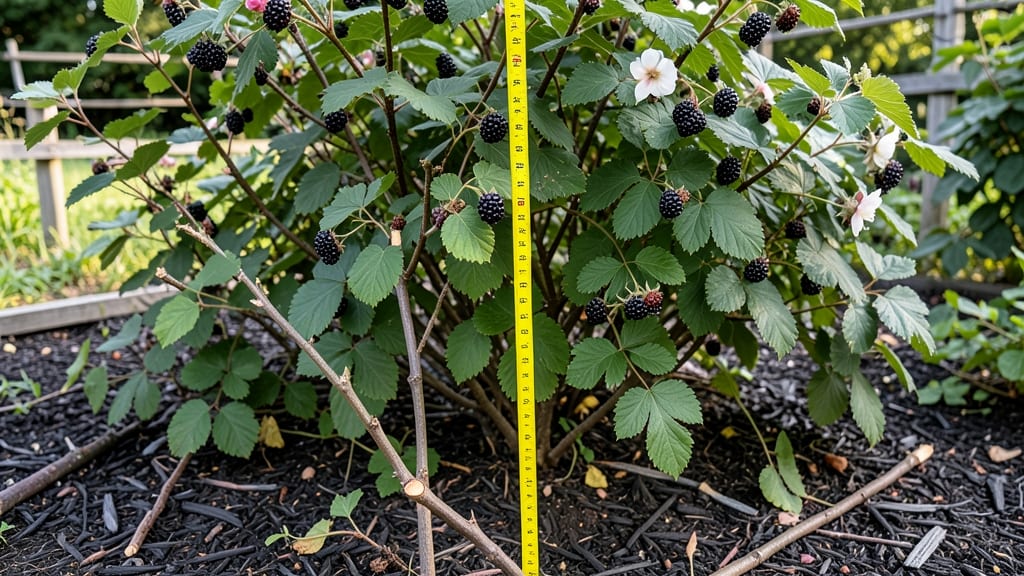
Blackberry bushes can grow anywhere from 6 to 12 feet tall—taller than most gardeners expect, which is why so many hesitate to plant them.
If you're dreaming of a lush blackberry patch but wondering whether your backyard can accommodate these vigorous plants, you're not alone—many gardeners hesitate before planting due to size concerns.
The good news? With the right variety and pruning strategy, you can keep them manageable while maximizing fruit production. Some varieties stay compact, while others reach towering heights, so choosing wisely is key.
In this guide, I’ll break down height differences by variety, share pruning tips to control growth, and help you decide which blackberries will thrive in your space—without taking over your garden.


Blackberry bush height by variety: from compact to towering giants
Blackberry bushes are known for their impressive growth, but their height varies dramatically depending on the variety you choose. Some types stay compact enough for small gardens or containers, while others can grow taller than a basketball hoop.
Understanding these differences helps you plan your space and select the perfect plants for your needs. The key lies in two main categories: floricane-fruiting (summer-bearing) and primocane-fruiting (fall-bearing) varieties, each with distinct growth habits.
For gardeners with limited space, dwarf varieties offer an excellent solution, reaching only 3-5 feet tall at maturity. These smaller bushes produce just as many berries as their taller counterparts but require less maintenance and fit neatly into urban gardens or small backyards.
Meanwhile, traditional varieties can stretch up to 10-12 feet, making them ideal for larger properties or when trained on trellises for easier harvesting.
Here’s how to choose the right height for your garden:
If you're growing floricane varieties (like 'Arapaho' or 'Natchez'), expect them to reach their full height within 2-3 years. These bushes produce fruit on second-year canes, so patience is key.
In contrast, primocane varieties (like 'Triple Crown' or 'Cheyenne') fruit on the current year’s growth, making them ideal for continuous harvests but requiring more aggressive pruning to control height.
For small-space gardening, consider container-friendly varieties like 'Arapaho' or 'Ouachita'. These thrive in 5-gallon pots with proper trellising, allowing you to place them on patios or balconies. Just ensure the container has drainage holes and use a well-draining potting mix to prevent root rot.
Even compact varieties benefit from trellises, which improve air circulation and make harvesting easier.
In larger gardens, trellising is a game-changer. By training canes vertically, you can reduce the bush’s footprint by up to 70% while making berries more accessible. Use T-posts or wire trellises and weave canes through as they grow.
This method also minimizes disease risk by keeping foliage off the ground. For varieties like 'Black Satin', which can reach 10 feet, trellising is almost essential to avoid unruly sprawl.
Climate also plays a role in height. In warmer regions (Zones 8-10), blackberries grow more vigorously, often reaching their maximum height faster. In cooler climates (Zones 5-7), growth may be slower, but varieties like 'Triple Crown' still thrive with proper winter protection.
Always check your USDA hardiness zone when selecting varieties, as some dwarf types may struggle in colder areas.
One of my favorite space-saving tips is to plant blackberries along a fence or perg
Pruning techniques to control blackberry bush height & boost fruit
Blackberry bushes can grow 6 to 12 feet tall if left unchecked, but strategic pruning transforms them into manageable, high-yielding plants. The key is understanding seasonal pruning—summer and winter cuts serve different purposes.
Summer pruning focuses on fruit-bearing canes and air circulation, while winter pruning reshapes the plant for the next season. Let’s break down the step-by-step process to keep your blackberries productive and compact.
Before grabbing your pruners, note that thornless varieties (like 'Natchez') are easier to manage but still require pruning. Standard varieties (e.g., 'Triple Crown') grow taller but respond well to training on trellises.
Always use clean, sharp pruners to avoid damaging canes or spreading disease. Start by removing dead or diseased canes first—they sap energy from healthy growth.
Step-by-Step Pruning Guide
-
Step 1: Identify Canes
Blackberries produce two types of canes: floricane (last year’s growth, bears fruit) and primocane (current year’s growth, won’t fruit until next year). Use this to guide your cuts.
-
Step 2: Summer Pruning (June–July)
Remove 1/3 of oldest canes (floricane) after harvest. Cut at ground level. Thin out crowded canes to improve air circulation and reduce disease risk.
-
Step 3: Winter Pruning (Late Winter)
Cut back primocanes to 4–5 feet tall to encourage bushier growth. Remove any canes thinner than a pencil—they won’t produce well. Leave 6–8 strong canes per plant for optimal fruit.
-
Step 4: Train Remaining Canes
Use a trellis or wires to guide canes upward. This prevents sprawling and makes harvesting easier. Tie canes loosely with soft plant ties to avoid damaging bark.
-
Step 5: Clean Up Debris
Rake and remove all pruned canes and leaves from the base. This reduces pests and diseases over winter. Dispose of diseased canes in the trash, not compost.
Timing is everything—prune floricane varieties (like 'Chester') after harvest in summer, but primocane varieties (like 'Prime-Ark Freedom') need winter pruning. Over-pruning can reduce next year’s fruit, so aim to leave 50–70% of canes standing. For thornless varieties, pruning is easier but still critical for yield.
Pro tip: Mulch heavily after winter pruning to protect roots and retain moisture. Use 2–3 inches of organic mulch like straw or wood chips, keeping it 6 inches away from the stem to prevent rot. This also suppresses weeds, which compete for nutrients.
With consistent pruning, your blackberry bushes will stay under 6 feet tall while producing 2–3x more fruit than unpruned plants. The secret is balance—remove enough to shape the plant, but leave enough canes to ensure a bountiful harvest. Start small, observe how your plants respond, and adjust your approach yearly.