
Pruning
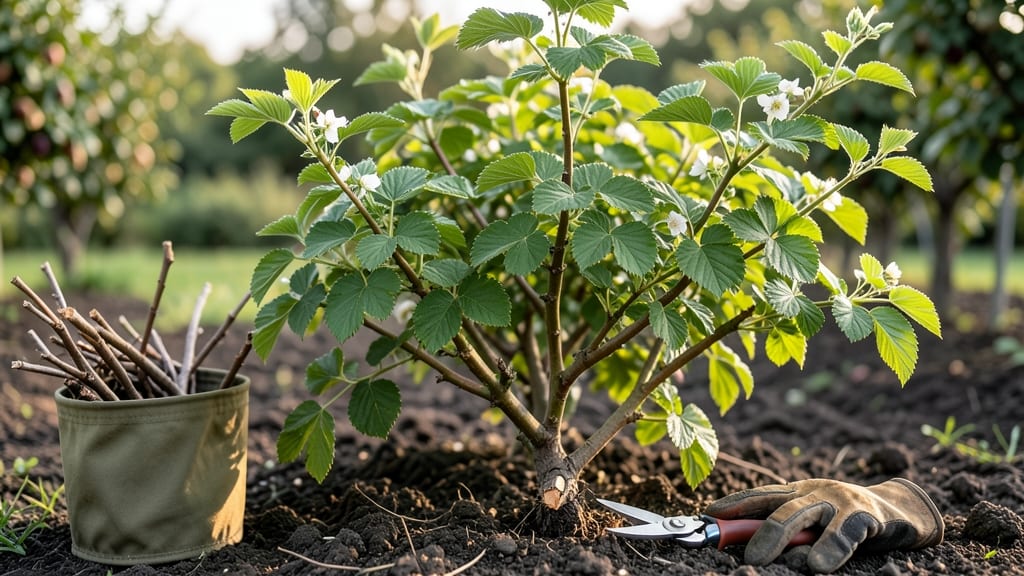
Spring pruning blackberry bushes transforms tangled messes into productive powerhouses—thicker canes, bigger berries, and harvests that last all season. 🌱 I’ve pruned blackberries for years, and the difference between a neglected bush and a thriving one comes down to three simple cuts: removing dead wood, thinning crowded canes, and shaping for airflow.
Skip this step, and you’ll end up with fewer berries, more pests, and a bush that looks like a bird’s nest.
The best time to prune is right after your last frost, when new growth starts but before the season’s first flush of berries. You’ll need sharp pruners, gloves (those thorns don’t play nice), and about 30 minutes—no fancy tools, just the right technique.
The goal? Keep 4-6 of the thickest, healthiest canes per plant, cutting the rest back to the ground. These canes will produce 70% of your harvest, so don’t skimp on the cleanup.
What you’ll end up with is a bush that looks like a well-kept hedge, not a jungle. Berries grow larger, ripen faster, and you’ll harvest 2-3 times more than before. The secret?
Pruning encourages new growth from the base, and those baby canes are where next year’s biggest berries will form. Plus, better airflow means fewer diseases and happier bees—win-win for your garden.
This method works for both floricane (summer-bearing) and primocane (fall-bearing) varieties, though the timing tweaks slightly. For fall-bearing types, you’ll do a lighter prune in late winter too. Whether you’re a first-timer or a seasoned grower, these cuts will make your blackberries the star of your garden—and your neighbors’ envy.
📚 In This Guide
- What you need
- Instructions
- Tips and common mistakes
- Wrapping up and next steps
What you need
- ● Pruning shears (bypass or anvil type) – Choose sharp, high-quality shears (4-6 inches) for clean cuts. Quantity: 1 pair.
- ○ Loppers – For thicker canes (½–1½ inches in diameter). Quantity: 1 pair (optional if shears handle thick canes).
- ● Gloves (heavy-duty, cut-resistant) – Protect your hands from thorns and scratches. Material: Leather or reinforced fabric.
- ● Disinfectant (70% isopropyl alcohol or bleach solution) – Clean tools between cuts to prevent disease spread. Ratio: 1 part bleach to 9 parts water.
- ● Garden twine or zip ties – Tie down canes for support after pruning. Quantity: 1 roll.
- ○ Rake or hoe – Clear debris and weeds around the base of the bush. Optional: Mulch (straw or wood chips) for post-pruning care.
- ● Safety gear – Long sleeves/pants, closed-toe shoes, and safety glasses (if dealing with large canes).
- ● Pruning saw – For extra-thick canes (rare in blackberries but useful for established bushes).
- ● Labeling tags – Mark pruned canes if you’re experimenting with training methods.
- ● Hose or water sprayer – Rinse off tools and refresh the plant post-pruning.
- ● Blackberry fertilizer – Apply a balanced 10-10-10 or organic compost after pruning to boost growth.
Step-by-step instructions for pruning blackberry bushes in spring
Here’s how I transform tangled blackberry bushes into productive, easy-to-harvest plants every spring.
✂️ Step 1: Identify and Remove Last Year’s Fruit Canes
Blackberries grow on two types of canes: fruit-bearing canes (last year’s growth) and new primocanes (this year’s growth). In early spring, before buds swell, cut all last year’s canes to the ground. These are the thick, woody stems that produced berries last season—they’re done for the year and won’t fruit again.
I grab a pair of clean loppers and make sharp cuts just above the soil line. If you miss any, they’ll just grow taller and waste energy. You’ll know you’ve got the right canes because they’ll be thicker and darker than the new growth. Don’t worry about leaving stubs—this is the first step to a tidy, productive bush.
✂️ Step 2: Thin Out Overcrowded Primocanes
Now focus on the new primocanes that emerged last summer. These are the thinner, green stems growing from the base. Leave only the 6-8 strongest, healthiest canes—any more and they’ll compete for sunlight and nutrients, reducing berry production.
To thin, hold each cane near the base and gently wiggle it. If it resists, it’s strong enough to keep. If it pulls out easily, it’s weak and should go. Cut the ones you’re removing at the base with clean loppers. This might feel harsh, but fewer canes mean bigger, sweeter berries. I always step back after this step—it’s amazing how much more air and light circulate through the bush afterward.
✂️ Step 3: Prune for Shape and Airflow
Next, shape the remaining primocanes by trimming any weak or crossing branches. Look for canes growing inward or rubbing against each other—they’ll create wounds where diseases can enter. Cut these back to a strong outward-growing bud or side branch.
I also remove any canes that are leaning too far outward (more than 45 degrees from vertical). These won’t produce well and take up space. For every cut, make it at a 45-degree angle, about ¼ inch above an outward-facing bud. This encourages new growth in the right direction. After pruning, the bush should look like an open vase with space between canes.
🌱 Step 4: Fertilize and Mulch for New Growth
Once pruning is done, spread a 2-3 inch layer of organic mulch (like wood chips or straw) around the base, keeping it 6 inches away from the stems. This protects roots from temperature swings and retains moisture. Then, apply a balanced fertilizer (10-10-10 or similar) around the drip line—about ½ cup per bush.
Water deeply to help the fertilizer soak into the soil. The new primocanes will start growing within 2-3 weeks, and you’ll see fresh green leaves pushing through. This is your reward for the work—watch for new shoots emerging from the base, which means your bush is ready for another productive season.
⏰ Step 5: Monitor and Support Through the Season
As the primocanes grow, they’ll need support. Install T-posts or a trellis system now if you haven’t already—blackberries can get heavy with fruit. Tie the canes to the support with soft plant ties or old pantyhose as they grow, adjusting every 2-3 weeks.
Keep an eye out for suckers (shoots growing from the roots) and remove them as they appear. These divert energy from your main canes. Also, watch for thornless varieties—if you’re growing those, you’ll skip the glove-and-long-sleeve routine during harvest. By mid-summer, your primocanes will start flowering, and with proper care, you’ll have berries by late summer or early fall.
Tips & tricks for pruning blackberry bushes in spring
Real talk: pruning blackberries can feel overwhelming, but these tricks make it straightforward—and your bushes will thank you with bigger berries.
Timing is Everything: Prune in early spring before buds swell, ideally when temperatures are consistently above freezing. I’ve learned this the hard way—waiting until buds appear means you’ll cut off potential fruit. If you missed the window, wait until after harvest to prune last year’s canes, but you’ll lose some of that year’s crop.
Tool Prep Matters: Clean your loppers with rubbing alcohol before and after pruning to prevent spreading disease from cane to cane. I keep a small bottle of alcohol in my gardening tool bag for this exact purpose. Sharp tools make cleaner cuts that heal faster, reducing entry points for pests and diseases.
The 45-Degree Rule: When pruning in Step 3, that 45-degree angle isn’t just arbitrary—it creates a larger surface area for new growth to emerge. Make sure your cut is about ¼ inch above an outward-facing bud. This small detail makes a huge difference in how your canes grow throughout the season.
Support System Setup: Don’t wait until canes are heavy with fruit to install supports. Set up your T-posts or trellis right after pruning in Step 5. This gives you time to adjust ties as the canes grow, preventing them from snapping under the weight of berries later. I use old pantyhose because they’re soft on the canes and easy to adjust.
Pro Tips for Prune Blackberry Bushes In Spring
- Real talk: pruning blackberries can feel overwhelming, but these tricks make it straightforward—and your bushes will thank you with bigger berries.
- Timing is Everything: Prune in early spring before buds swell, ideally when temperatures are consistently above freezing.
- Tool Prep Matters: Clean your loppers with rubbing alcohol before and after pruning to prevent spreading disease from cane to cane.
Frequently asked questions
Got questions about pruning your blackberry bushes? You’re not alone! Here are answers to the most common concerns to help you prune like a pro and keep your bushes thriving.
When is the exact best time to prune blackberries in spring?
Prune after the last frost but before new growth starts—typically late March to early May, depending on your climate. For primocanes (first-year canes), delay pruning until late summer or fall to encourage fruit production the following year. Always check local frost dates to avoid damaging tender new shoots!
Should I cut back blackberry canes all the way to the ground?
Not always! For floricanes (second-year canes), cut them back to the ground after they’ve fruited to make room for new growth. Primocanes (first-year canes) should be pruned to 3–4 feet tall in late summer/fall to shape the bush. Never remove healthy canes unless they’re diseased or crowded.
What if I missed the spring pruning window? Can I still fix it?
Yes! If you skipped spring pruning, focus on removing dead, diseased, or crossing canes immediately. For primocanes, prune them back to 3–4 feet in late summer. While not ideal, this will still improve airflow and fruit production. Just stay consistent in future seasons!
How do I tell the difference between primocanes and floricanes?
Primocanes are thin, green, and flexible (first-year growth), while floricanes are thicker, woody, and brown (second-year canes that fruited last season). Think of primocanes as "babies" and floricanes as "parents"—cut the parents down after they’ve borne fruit!
Does pruning blackberries in spring affect fruit production?
Yes! Proper pruning boosts fruit production by redirecting energy to healthy canes. Removing old floricanes and shaping primocanes ensures more sunlight and nutrients reach the remaining canes. Just avoid over-pruning—leave at least 5–6 strong primocanes per bush for next year’s harvest!
Can I use the same pruning tools year-round?
While you can reuse tools, sterilize them between uses with rubbing alcohol or bleach to prevent spreading disease. Sharp, clean pruners and loppers make the job easier and reduce damage to canes. Replace dull blades annually for precision cuts.
Wrapping up and next steps
Pruning your blackberry bushes in spring isn’t just about tidying up—it’s the secret to bigger yields, healthier plants, and sweeter berries all season long! 🌱 By removing dead canes, thinning crowded growth, and encouraging new shoots, you’re setting the stage for a bountiful harvest that’ll make your neighbors jealous.
Now that you’ve got the know-how, grab those pruners and get to work—your future blackberry pies (and bragging rights) will thank you!
Ready to take it further? Mark your calendar for fall pruning—it’s the perfect time to prep for next year’s growth! 🍇