
Shrubs
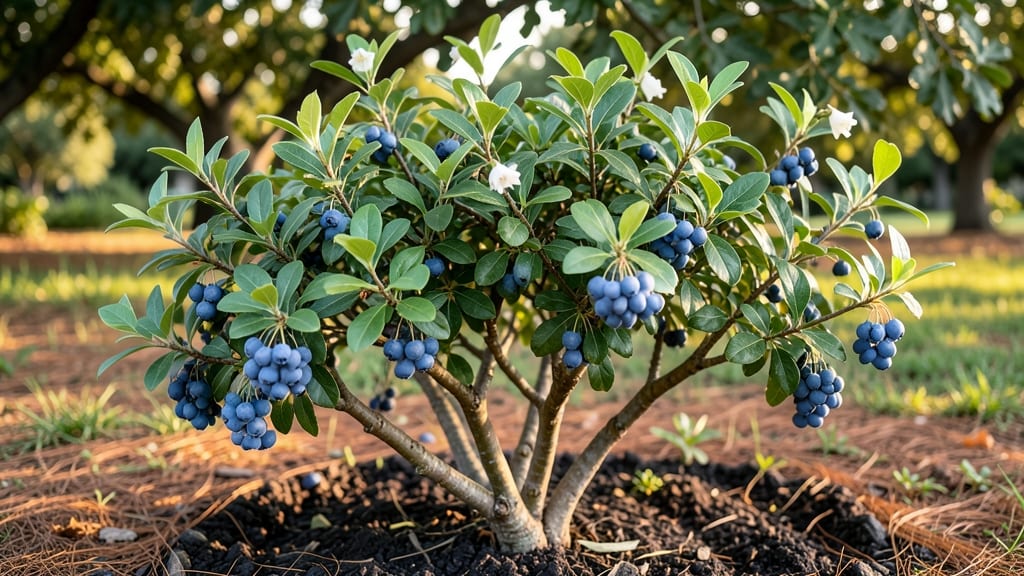
Gurney's blueberry bushes grow best in acidic, well-draining soil with full sun exposure, featuring top varieties like 'Premier,' 'Duke,' and 'Top Hat' that adapt to different climates—including cold-hardy options for northern regions and container-friendly types. Opt for self-pollinating bushes to simplify harvesting and maintain proper spacing for healthy airflow.
These bushes are designed to thrive in specific conditions that mimic their natural habitat. 🌱 The acidic soil requirement (pH 4.5–5.5) is critical because blueberries need aluminum and iron solubility to develop their signature color and flavor.
Many gardeners amend their soil with peat moss or sulfur to achieve the right balance. Additionally, choosing varieties that match your USDA hardiness zone ensures your bushes survive winter dormancy and produce fruit reliably each season.
Gurney’s offers a range of sizes and growth habits to fit different spaces. Dwarf varieties like 'Top Hat' are perfect for containers or small gardens, while larger bushes suit landscape planting.
Self-pollinating types eliminate the need for multiple plants, making them ideal for home growers. Proper spacing—typically 4–6 feet apart—prevents overcrowding and reduces disease risk by improving airflow around the foliage.
💡 In This Article
- Climate and Soil Requirements for Blueberry Bushes
- Top Gurney’s Blueberry Varieties by Region and Growth Type
Climate and soil requirements for blueberry bushes
Blueberries evolved in acidic, nutrient-poor environments like bogs and wetlands, which is why their roots thrive in soil with a pH between 4.5–5.5.
This acidity level keeps aluminum and iron soluble, allowing the plant to absorb these essential nutrients that contribute to vibrant foliage and sweet, flavorful berries. 🌱 Without this acidic environment, blueberries often suffer from chlorosis (yellowing leaves) or poor fruit development.
Most garden soils are naturally alkaline (pH 6.5–7.5), so amending with organic matter like peat moss, pine bark fines, or sulfur is essential to create the right conditions.
The number of chilling hours your region receives (temperatures between 32–45°F) directly impacts which varieties will thrive. Northern climates (zones 3–5) need bushes that tolerate 600–1,000 hours of winter chill, like 'Duke' or 'Patriot,' while southern varieties (zones 7–9) require only 200–400 hours, such as 'Misty' or 'O'Neal.'
This adaptation prevents premature budding in warm winters, which can lead to frost damage and poor fruit set. For example, planting a northern variety in Florida would likely result in sparse or no harvest due to insufficient chilling.
Well-draining soil is equally critical—blueberry roots are shallow and sensitive to waterlogging, which can cause root rot. The ideal soil mix should retain moisture but allow excess water to drain within 24 hours.
Adding coarse sand or perlite to clay-heavy soils improves aeration, while raised beds or containers offer perfect drainage control. Mulching with pine needles or wood chips (but not cedar, which is toxic) also helps maintain soil acidity while suppressing weeds and retaining moisture.
Temperature extremes matter too. Blueberries prefer daytime highs of 70–80°F and cool nights (50–60°F) during fruiting season. Heatwaves above 90°F can cause blossom drop or poor fruit development, while late spring frosts (28°F or lower) may damage flowers before pollination.
Choosing varieties with staggered bloom times (like 'Premier' and 'Duke') can help spread out the harvest window and reduce frost-related losses.
One common mistake is assuming all blueberries have the same care needs. Southern highbush varieties (like 'Misty') are more heat-tolerant but require protection from winter cold, while northern highbush types (like 'Jersey') handle frost better but struggle in humid southern summers.
Always check the recommended hardiness zone for your chosen variety—this ensures the bush’s natural dormancy cycle aligns with your local climate patterns. 🌡️
For container growers, soil composition becomes even more critical since you can’t rely on natural drainage. A high-quality potting mix blended with 50% peat moss or coconut coir and 30% perlite creates the ideal balance.
Containers also dry out faster, so regular watering (keeping soil consistently moist but not soggy) is key. Dwarf varieties like 'Top Hat' are perfect for pots because their compact size (mature height of 2–3 feet) makes them manageable even on patios or balconies.
Finally, don’t overlook the role of micronutrients. Blueberries are heavy feeders of boron, manganese, and zinc, which are often lacking in amended soils.
A balanced organic fertilizer (like 10-10-10) applied in early spring and mid-summer supports vigorous growth, while foliar sprays of chelated iron can prevent yellowing leaves in amended soils. The payoff? Healthier plants that produce larger, sweeter berries with fewer pests or diseases. 🍇