
Pests
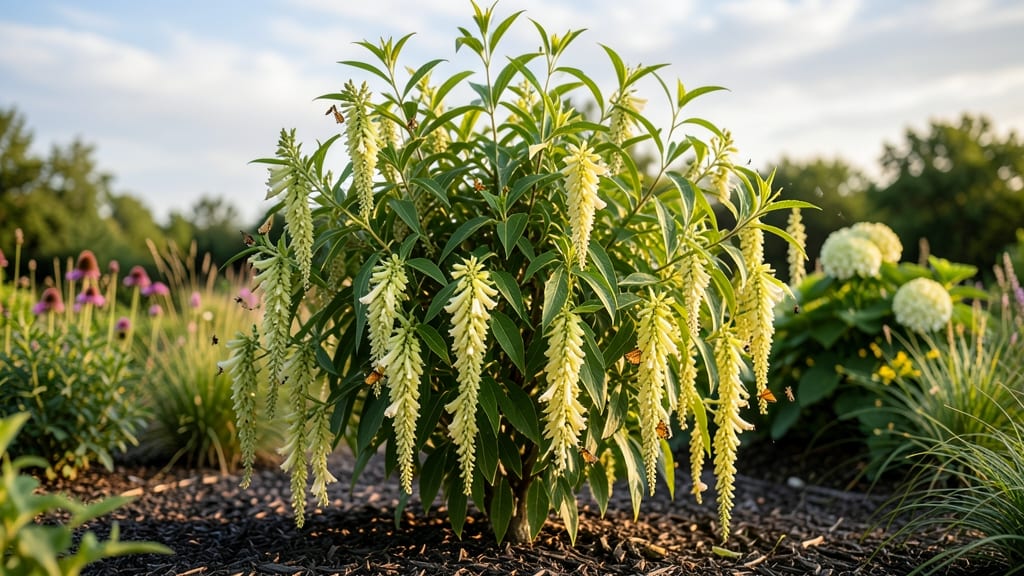
That sickly greenish-yellow bush in your yard isn’t just ugly—it’s a cry for help. 🌿 Whether it’s your hydrangea, boxwood, or rhododendron, those dull leaves mean something’s wrong, and organic sprays can fix it without harsh chemicals.
I’ve saved dozens of bushes with these three targeted treatments, and you can too.
The culprit is usually one of three things: nutrient starvation (especially nitrogen or magnesium), fungal infections like powdery mildew, or tiny pests like spider mites sucking the life out of your plants.
Each leaves telltale signs—yellowing between veins for magnesium deficiency, white powder on leaves for mildew, or webbing on stems for mites.
With the right organic sprays—neem oil for pests, baking soda mix for fungi, and fish emulsion for nutrients—you’ll see fresh green growth within weeks. No more guessing: I’ll walk you through the exact sprays, when to apply them, and how to keep your bushes thriving all season.
Works for any bush in your landscape, from foundation plants to flowering shrubs. Let’s bring that color back—naturally.
Root Causes Of Discoloration
When your greenish yellow bush starts losing its vibrant hue, it’s often a cry for help from the plant itself. The shift from lush green to an unnatural yellow-green isn’t just cosmetic—it’s a symptom of underlying stress.
Understanding the why behind this color change is the first step toward reviving your plant. Below, we break down the most common culprits, backed by science, so you can take precise action.
A greenish yellow bush is often a red flag for chlorosis, a condition where chlorophyll production drops due to nutrient starvation. The most common deficiencies include:
- Iron (Fe) Deficiency:
Iron is the backbone of chlorophyll, and without it, leaves turn yellow between the veins while veins stay green.
This is especially common in alkaline soils (pH > 7.0), where iron becomes locked and unavailable. Actionable fix: Apply chelated iron (like iron sulfate or EDTA-bound iron) or amend soil with sulfur to lower pH.
- Nitrogen (N) Shortage:
Yellowing starts on older leaves first if nitrogen is lacking, as the plant “steals” it from lower leaves to fuel new growth. Actionable fix: Use a balanced organic fertilizer (e.g., blood meal or fish emulsion) or compost-rich soil amendments.
- Magnesium (Mg) Deficiency:
Magnesium is central to chlorophyll’s structure. When deficient, leaves develop interveinal yellowing (yellowing between veins) on older leaves, often with brown patches. Actionable fix: Apply Epsom salt (magnesium sulfate)—mix 1 tbsp per gallon of water and spray or water the soil.
💡 Pro Tip: Conduct a soil test to confirm deficiencies before treating. Over-fertilizing can worsen the problem by burning roots or altering soil pH.
Yellowing leaves can also signal root stress from excess moisture, which cuts off oxygen and nutrients. Here’s how to spot it:
- Yellowing + Wilting:
If leaves are yellow and drooping, roots may be suffocating. Compacted or waterlogged soil prevents roots from accessing oxygen, leading to anaerobic conditions that release toxic compounds like ethylene, accelerating decay.
- Mushy Stems or Roots:
Check the soil—if it smells sour or feels soggy, fungal infections (like Phytophthora) may be attacking roots. These pathogens thrive in wet conditions and block nutrient uptake.
Actionable fixes:
- Improve drainage by amending soil with perlite, sand, or compost.
- Water only when the top 1–2 inches of soil are dry.
- Ensure pots have drainage holes and elevate them to prevent water pooling.
⚠️ Warning: If the bush is in containers, check for root rot—cut away mushy roots and repot in fresh, sterile soil.
Sap-sucking pests like aphids, spider mites, or whiteflies inject toxins and drain nutrients, causing leaves to turn yellow-green. Look for:
- Sticky residue (honeydew) on leaves or below the bush.
- Webbing (spider mites) or tiny black dots (sooty mold from honeydew).
- Curled or distorted leaves (aphids).
Actionable fixes:
- Blast pests off with a strong spray of water.
- Apply neem oil (1 tsp per quart of water) or insecticidal soap every 5–7 days.
- Introduce beneficial insects like ladybugs or lacewings for natural control.
🔥 Hot Tip: Early intervention is key—waiting lets pests multiply and spread toxins faster.
Extreme conditions—whether scorching sun or chilly drafts—can shock a bush into turning yellow-green. Here’s how to diagnose:
| Symptom | Likely Cause | Fix |
|---|---|---|
| Yellowing on sun-exposed sides only | Sunburn (too much direct UV) | Move to partial shade or use shade cloth (30–50%). |
| Yellowing + crispy edges | Transpiration stress (hot, dry air) | Increase humidity with a pebble tray or mist leaves in AM. |
| Yellowing + slow growth in winter | Cold shock or drafts | Relocate to a warmer, sheltered spot or use row covers. |
🌡️ Pro Tip: Most bushes thrive in 60–75°F with 40–60% humidity. Use a hygrometer to monitor conditions.
Yellowing can also stem from soil or water contaminants, such as:
- Excessive fluoride or chlorine (from tap water): Can cause leaf tip burn and yellowing.
- Heavy metals (lead, copper): Often found in old soil or contaminated amendments.
- Herbicide drift: Glyphosate or other broadleaf herbicides can cause yellowing if sprayed nearby.
Actionable fixes:
- Use filtered or rainwater for watering.
- Test soil for heavy metals and remediate with chelating agents if needed.
- Move the bush away from treated lawns or use physical barriers (like cardboard) to block herbicide spray.
✨ Safety First: If you suspect chemical exposure, flush the soil with clean water and avoid fertilizing until levels normalize.
Quick Fixes for Unwanted Bush Growth
When that greenish yellow bush starts crowding your garden or driveway, acting fast is key. Below are targeted solutions—each tailored to the most common causes—plus pro tips to keep it from returning.
Whether it’s an invasive plant, fungal overgrowth, or a pest problem, these fixes are easy to follow and eco-friendly.
If your "bush" is actually an aggressive plant like Japanese knotweed, kudzu, or even a misidentified shrub, manual removal is often the first step.
🔪 Step-by-Step Eradication
- 📏 Identify First
- Snap a photo and compare it to local plant databases (like the Invasive Plant Atlas).
- If it’s toxic (e.g., poison ivy or oleander), wear gloves and long sleeves.
- 🌿 Pull or Cut at the Right Time
- Best time: Early spring or fall when the plant is dormant.
- How: Dig out roots (for perennials) or cut stems at ground level (for annuals). Use a shovel for deep roots or pruners for smaller plants.
- 🔥 Smother or Solarize
- Cover the area with cardboard + mulch (or a black plastic tarp) for 4–6 weeks to block sunlight and kill roots.
- Pro tip: For stubborn roots, repeat smothering in 3-month intervals.
- 💧 Prevent Regrowth
- Mulch heavily with wood chips or straw to suppress new shoots.
- Monitor for 2+ years—some invasives resprout from tiny root fragments.
If your "bush" is actually a moldy growth, slime, or algae on soil, wood, or plants, organic fungicides and hygiene are your best tools.
🧼 Cleaning & Treatment Guide
- 🧴 Scrub Away Visible Growth
- Use a 50/50 water-vinegar solution or hydrogen peroxide (3%) to wipe down surfaces.
- For algae on soil, rake away the top layer and mix in compost or sand to improve drainage.
- 🌿 Apply Organic Fungicide
- Spray options:
- Neem oil (1 tbsp per quart of water) – kills fungal spores and deters regrowth.
- Baking soda spray (1 tsp baking soda + 1 quart water + few drops of soap) – safe for plants.
- Reapply every 7–10 days until growth stops.
- Spray options:
- 🌞 Improve Airflow & Drainage
- 💡 Pro tip: Fungal growth thrives in damp, shaded areas. Trim nearby plants to allow sunlight and airflow.
- For wood: Sand rough surfaces and seal with linseed oil to prevent moisture buildup.
- 🌱 Soil Remediation
- If the issue is soil-borne, mix in beneficial microbes (like mycorrhizal fungi) to outcompete pathogens.
Sometimes, aphids, spider mites, or scale insects trigger abnormal yellowing or bushy new growth by injecting toxins or stealing nutrients.
🐜 Pest Control Without Chemicals
- 🔍 Inspect for Signs of Pests
- Look for:
- Sticky residue (honeydew) on leaves.
- White cottony masses (mealybugs) or tiny webs (spider mites).
- Curled or distorted leaves (common with aphids).
- Look for:
- 💦 Blast Off Pests with Water
- Strong spray (hose nozzle on "jet" setting) can knock off aphids and spider mites.
- Repeat every 3–4 days for severe infestations.
- 🍋 Natural Sprays to Kill Pests
- Soap spray: 1 tbsp castile soap + 1 quart water (test on a small leaf first).
- Garlic/chili spray: Blend 1 garlic clove + 1 tsp cayenne pepper in 1 quart water, strain, and spray.
- Neem oil (as above) – disrupts pest life cycles.
- 🐞 Introduce Beneficial Insects
- Ladybugs (eat aphids), lacewings (devour mites), or predatory mites can be ordered online.
- 💡 Pro tip: Plant marigolds, basil, or dill nearby to attract these helpers naturally.
- 🌿 Prune & Dispose of Infested Parts
- Cut off heavily damaged leaves and bag them (don’t compost—pests may survive).
- Sterilize pruners with rubbing alcohol between cuts.
Once you’ve tackled the problem, stop it in its tracks with these long-term strategies:
| Cause | Prevention Tip | Frequency |
|---|---|---|
| Invasive plants | Install root barriers (hardware cloth) or gravel borders to block spread. | One-time or seasonal check |
| Fungal growth | Aerate soil and reduce watering in problem areas. | Spring & fall |
| Pest outbreaks | Rotate crops (if edible plants) and plant pest-repelling herbs. | Year-round |
| Algae/slime | Improve drainage with sand or perlite in containers. | As needed |
💡 Final Pro Tip: If the "bush" keeps returning, dig deeper—literally. Some roots (like bindweed or bamboo) spread 10+ feet underground. For stubborn cases, consider professional help or solarization (covering with clear plastic for weeks to bake roots).
Now that you’ve got the tools, grab your gloves and get to work—your garden will thank you! 🌿✨
Frequently asked questions
Why does my bush have greenish-yellow leaves instead of bright green?
This color shift usually signals chlorosis, meaning your bush lacks key nutrients like iron, nitrogen, or magnesium. Yellowing between veins often points to iron deficiency, while yellowing on older leaves suggests nitrogen starvation. Check soil pH too—alkaline soil locks out iron.
How can I tell if my bush has a pest problem causing the yellowing?
Look for sticky residue (honeydew) on leaves, tiny webs (spider mites), or white cottony masses (mealybugs). Sap-sucking pests like aphids also cause curled leaves. Blast them off with water first, then use neem oil or insecticidal soap.
Is overwatering causing my bush's yellow-green leaves?
Yes—waterlogged soil cuts off oxygen, leading to root rot and yellowing. Check if the soil feels soggy or smells sour. Fix it by improving drainage (add perlite or sand) and watering only when the top 1-2 inches are dry. Containers must have drainage holes!
Can I use Epsom salt to fix yellowing leaves on my bush?
Epsom salt provides magnesium, which is often missing when leaves yellow between veins. Mix 1 tablespoon per gallon of water and apply to soil or spray leaves. Reapply every 2-4 weeks for best results. Works fast on many shrubs!
What's the fastest way to revive a severely yellow bush?
Start with a balanced organic fertilizer (like fish emulsion) to replenish nutrients, then prune away the worst yellow leaves. For pests, use neem oil spray immediately. If it's fungal, apply baking soda mix (1 tsp baking soda + 1 quart water). See results in 2-3 weeks with consistent care.