
Shrubs
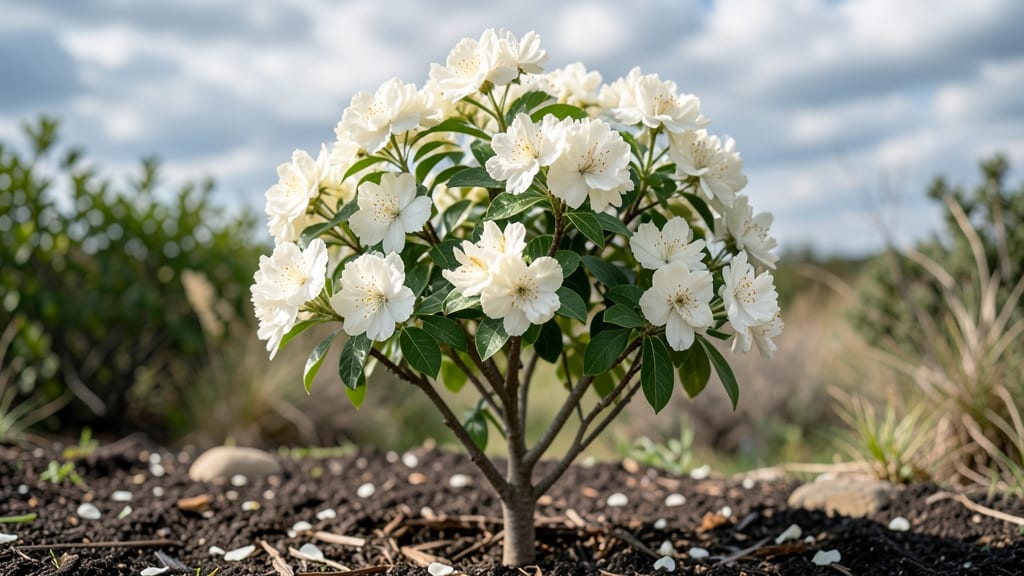
Identifying a white flowering bush starts with noticing tiny details—leaf shape, flower clusters, and even how the branches grow. 🌿 I’ve spent years mistaking abelia for mock orange (they’re both white, but one smells like orange blossoms and the other doesn’t), so I know how confusing this can be.
The key is comparing your bush to just three common types: hydrangea (big, fluffy blooms), mock orange (four-petaled flowers with a citrusy scent), and abelia (tiny white trumpets with glossy leaves).
Hydrangeas stand out with their large, rounded clusters and papery petals, while mock orange bushes have solitary flowers that look like tiny trumpets with a strong fragrance. Abelia, on the other hand, has smaller flowers and keeps its leaves year-round, even in winter.
If your bush has smooth, oval leaves and blooms in late spring, it’s likely a mock orange—my personal favorite for its intoxicating scent.
Once you’ve narrowed it down, caring for your bush becomes easier. Hydrangeas love morning sun and well-draining soil, mock orange thrives in partial shade, and abelia is the most forgiving—it handles drought and heat like a champ.
A quick check of leaf edges (serrated? smooth?) and flower arrangement (clusters? single blooms?) will give you the answer in minutes.
Pro tip: Snap a photo of the leaves, flowers, and bark—uploading it to a plant ID app (like PlantNet) confirms your guess in seconds. No more guessing games in your garden! Whether it’s a hydrangea, mock orange, or something else, knowing the right care keeps it blooming for years.
Behind The Scenes Of Blooms
White flowering bushes don’t just appear by chance—they’re the result of a carefully orchestrated mix of biology, environment, and care. Understanding why your bush (or the ones you’re admiring) produces those stunning white blooms helps you appreciate their uniqueness and even troubleshoot if something seems "off."
Let’s break down the science and nature behind those show-stopping flowers.
Every white flowering bush starts with its genetic code. Some species, like the Hydrangea arborescens (smooth hydrangea) or Spiraea japonica (Japanese spirea), are hardwired to produce white flowers as their default. These genes dictate petal color, shape, and even the timing of blooms.
- Albinism in plants: Some white flowers result from a lack of anthocyanins (pigments that create red, purple, or blue hues). Without these, flowers appear white or pale.
- Hybrid vigor: Many modern cultivars (like the Deutzia or Weigela) are bred specifically for white blooms, combining traits from parent plants to ensure consistent color.
- Actionable tip: If you’re growing from seeds or cuttings, stick to named varieties—genetics don’t change mid-growth!
White flowers often bloom in response to light exposure and seasonal cues. Many bushes, like the Pieris japonica (Japanese andromeda), rely on photoperiodism—the plant’s internal clock that reacts to daylight length.
Others, such as Abelia grandiflora, bloom in response to warm temperatures after a period of cooler weather.
- Short-day plants: Some bushes (like Camellia) need long nights (12+ hours of darkness) to trigger flowering. Too much artificial light can disrupt this.
- Temperature thresholds: Cold-sensitive species (e.g., Deutzia) may delay blooming if spring arrives too early or too late.
- Pro tip: If your bush isn’t flowering, check its sunlight. Some need full sun (6+ hours/day), while others (like Hydrangea macrophylla) prefer partial shade.
White flowers are often a sign of optimal health, and that health starts with water and soil conditions. Many white-blooming bushes, such as the Forsythia or Viburnum, thrive in well-draining, slightly acidic soil (pH 5.5–6.5).
Poor drainage or nutrient deficiencies can stress the plant, leading to fewer or smaller blooms.
| Issue | Effect on Blooms | Fix It |
|---|---|---|
| Overwatering | Root rot → stunted growth → fewer flowers | Amend soil with compost and use drip irrigation. |
| Underwatering | Stress → bud drop → no blooms | Water deeply 1–2x/week (check soil moisture 2" down). |
| Alkaline soil (pH >7) | Nutrient lockout → weak stems → sparse flowers | Add peat moss or sulfur to lower pH gradually. |
💡 Remember: White flowers often signal stress-free growth. If your bush is thriving, it’s likely meeting these basic needs!
Not all white flowering bushes bloom on new wood (current year’s growth) or old wood (last year’s stems). Misjudging pruning can mean missed blooms—or worse, no blooms at all!
- New wood bloomers: Species like Deutzia or Weigela produce flowers on current season’s growth. Prune right after flowering to encourage next year’s blooms.
- Old wood bloomers: Bushes like Spiraea or Pieris set buds in late summer/fall. Never prune until after blooming—or you’ll cut off next year’s flowers!
- Age factor: Young bushes (under 3 years) may focus energy on growth, not blooms. Be patient or fertilize lightly with low-nitrogen (e.g., 5-10-10) to encourage flowers.
⚠️ Warning: Over-pruning can shock the plant. Never remove more than 1/3 of the bush in one season.
While white flowers are often a sign of health, pests and diseases can hijack a bush’s energy, leaving it weak and flowerless. Common culprits include:
- Japanese beetles: Devour petals and leaves, weakening the plant. Handpick early or use neem oil.
- Powdery mildew: Fungal infection that coats leaves, blocking sunlight. Space bushes for airflow and apply baking soda spray (1 tsp baking soda + 1 quart water + drop of soap).
- Root rot: Caused by overwatering, it strangles the plant before it can bloom. Improve drainage and repot if necessary.
🔍 Early detection: Check undersides of leaves and stem joints for signs of pests. A healthy bush = more white blooms!
Quick fixes for bush ID confusion
If you’re staring at a white-flowering bush and wondering, "What on earth is this?"—don’t panic! With a few simple steps, you can narrow down the possibilities and even prevent future mix-ups. Below, we’ve broken down the most common causes of identification confusion and practical solutions to solve them.
Cause: You recognize the shape or flowers but can’t recall the exact species. Fix:
- 📸 Snap a photo – Use your phone to capture close-ups of the flowers, leaves, and bark. Apps like PlantNet or Google Lens can instantly suggest matches.
- 📏 Measure key features – Note leaf size, flower cluster shape, and stem thickness. Many bushes have distinct traits (e.g., Mock Orange has thick, waxy leaves; Deutzia has delicate, airy blooms).
- 🌱 Compare with known varieties – Pull up images of common white-flowering shrubs (like Weigela, Spiraea, or Abelia) side by side with your photo.
Prevention Tip: 💡 Keep a small notebook or digital album of plants in your garden. Jot down names, blooming seasons, and distinguishing features—it’ll save time next year!
Cause: You’re trying to ID a bush in winter or early spring when it’s dormant. Fix:
- 🌱 Focus on bark and buds – Some shrubs have unique bark textures (e.g., Forsythia has smooth, yellowish stems) or bud shapes that hint at the species.
- 🍃 Check for leaves or seed pods – Even if flowers are gone, look for lingering seed heads (like Elderberry) or leaf scars on branches.
- 📅 Track blooming seasons – White-flowering bushes often bloom in spring or summer. If yours is bare, wait a few weeks—it might surprise you!
Prevention Tip: ✨ Plant a seasonal ID chart near your garden gate with photos of key shrubs labeled by bloom time. A quick glance will help you match what’s missing!
Cause: Several species share similar white blooms, making it hard to tell them apart. Fix:
- 👃 Smell test – Some bushes have signature scents! Mock Orange smells like orange blossoms, while Philadelphus (Mock Orange) has a sweet, honey-like fragrance.
- 🌿 Examine leaf arrangement – Are the leaves opposite (growing in pairs, like Abelia), alternate (one per node, like Weigela), or whorled (circles, like Deutzia)?
- 🌸 Count flower parts – Petal count matters! Spiraea often has 5 petals, while Hydrangea can have 4–5 or more in rounded clusters.
Prevention Tip: 🎯 Grab a hand lens (magnifier) for $5 at a garden center. It’ll help you spot tiny details like hairy stems (common in Deutzia) or serrated leaf edges (a clue for Pieris).
Cause: Your bush looks stressed, with wilted flowers or chewed leaves, making ID harder. Fix:
- 💧 Check watering habits – Overwatered bushes (like Hydrangea) may droop, while underwatered ones (like Butterfly Bush) get crispy edges. Adjust care based on the species’ needs.
- 🐜 Look for pests – Yellowing leaves? Aphids or Spider mites might be the culprits. A strong spray of water or neem oil can help—then reassess the plant’s health.
- ☀️ Assess sunlight – If your bush is in the wrong light (e.g., Deutzia needs partial shade but is scorched in full sun), its true form may be masked. Relocate if needed.
Prevention Tip:** 🌡️ Install a simple moisture meter ($10) to avoid over/under-watering. Happy plants = easier ID!
With these tricks, you’ll go from "Huh?" to "Ah, it’s a Weigela!" in no time. And if all else fails? Ask your local nursery—most gardeners love helping with ID puzzles! 🌸
Frequently asked questions
How can I tell if my white-flowering bush is fragrant?
Crush a leaf or gently sniff the flowers—some like mock orange have a strong citrus scent, while others like deutzia are nearly scentless. Pro tip: Check at different times of day; fragrance often peaks in the morning when dew is present.
Why does my white-flowering bush have yellow leaves?
Yellow leaves usually signal overwatering or nutrient deficiency. Check soil moisture—if it’s soggy, improve drainage. For hydrangeas, yellow leaves may also mean alkaline soil (test pH and amend with sulfur if needed).
Can I grow white-flowering bushes in containers?
Abelia and weigela thrive in pots with well-draining soil. Use containers at least 18 inches wide and repot every 2-3 years. Just ensure they get the right sunlight—mock orange needs partial shade, while spirea prefers full sun.
When is the best time to prune my white-flowering bush?
It depends on the species! Old wood bloomers (like spirea) should be pruned right after flowering, while new wood bloomers (like deutzia) can be pruned in late winter. Never prune more than 1/3 of the bush at once to avoid stress.
Are there any white-flowering bushes that attract pollinators?
Yes! Butterfly bush (Buddleia) and weigela are magnet for butterflies and bees. Even mock orange draws hummingbirds with its fragrant blooms. Plant these near patios or windows to enjoy the buzz of pollinators while admiring their flowers.