
Shrubs
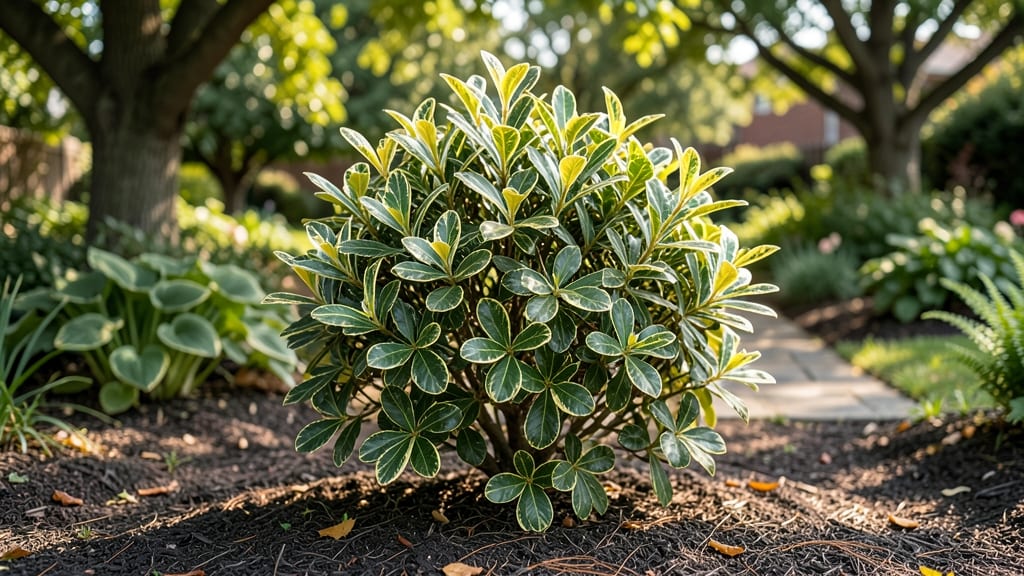
Variegated bushes with green and yellow foliage steal the show without demanding attention. 🌿 These striking plants—like 'Dwarf Fatsia' or 'Golden Privet'—bring bold contrast to borders, hedges, or as standalone accents, thriving year-round with minimal fuss.
Their lush, two-toned leaves add texture and movement, making them the perfect low-maintenance star for any garden design.
Their secret? Placing them where their golden edges catch morning light—near patios, along pathways, or as a focal point in shaded corners. Pair with deep green shrubs like boxwood or purple foliage for a showstopping contrast.
Prune lightly in late winter to maintain shape, and watch them bounce back with vibrant new growth every spring.
📚 In This Guide
- What you need
- Instructions
- Tips and common mistakes
- Wrapping up and next steps
What you need
- ● Green-Yellow Variegated Bush: 1-3 plants (depending on desired coverage; dwarf varieties like Ligustrum vicaryi or Berberis thunbergii work well).
- ● Size: 1–3 gallons (for mature plants) or 3–5 inches (for young nursery stock).
- ● Soil: Well-draining potting mix or garden soil (amend with compost for fertility).
- ○ Optional: Perlite or sand (10–20%) to improve drainage.
- ● Fertilizer: Balanced, slow-release granular fertilizer (10-10-10 or 20-20-20, 2–3 tbsp per plant).
- ○ Optional: Organic options like fish emulsion or worm castings for eco-friendly growth.
- ● Planting Supplies: Garden trowel or spade (for digging).
- ● Gloves (to protect your hands from thorns or rough bark).
- ● Watering can or hose with a gentle spray nozzle.
- ● Pruning Tools (for maintenance): Bypass pruners (for clean cuts).
- ○ Optional: Loppers (for thicker stems) or hedge shears (for shaping).
- ● Location Prep: Sunlight: 6+ hours of direct sun (variegated foliage thrives with light!).
- ● Space: 2–4 feet apart (check plant tags for mature size).
Step-by-Step guide to planting and caring for a green yellow variegated bush
This striking bush thrives with minimal fuss—just follow these simple steps for vibrant foliage all year.
🌱 Step 1: Select the Right Location for Year-Round Color
Pick a spot with partial shade to full sun—most variegated bushes tolerate both, but too much harsh afternoon sun can scorch the delicate yellow edges. I always check the plant tag for specifics, but a morning sun/dappled afternoon light spot works universally. Avoid deep shade, or the yellow variegation will fade to plain green.
Test your spot by observing how sunlight moves across the area throughout the day. The ideal location gets 4-6 hours of gentle sunlight while avoiding the intense midday rays that can bleach the leaves. If your yard has no perfect spot, a large container near a north-facing window or under a tree with filtered light works beautifully.
☀️ Step 2: Prepare the Soil for Healthy Growth
Variegated bushes love well-draining soil that stays slightly moist but never soggy. Amend your garden soil with 2-3 inches of compost or a 50/50 mix of garden soil and peat moss if your native soil drains poorly. I dig down 12 inches to loosen roots and improve aeration—this prevents waterlogging, which can rot the roots.
For container planting, use a premium potting mix mixed with 20% perlite to ensure fast drainage. These plants hate wet feet, so if your container lacks drainage holes, drill a few near the bottom. A 5-gallon pot is perfect for one plant, giving roots plenty of room to establish without becoming root-bound.
🪴 Step 3: Plant with Care to Preserve Variegation
Dig a hole twice as wide as the root ball but no deeper—burying too deep suffocates roots and causes stress. Gently remove the plant from its container and tease apart any circling roots with your fingers. Place it in the hole so the top of the root ball sits level with the surrounding soil—burying the stem invites rot.
Backfill with native soil, pressing lightly to remove air pockets. Water deeply to settle the soil and encourage root contact. I always add a 1-inch layer of mulch (like shredded bark) around the base, keeping it 2 inches away from the stem to prevent moisture buildup. This mulch layer locks in moisture and keeps roots cool in summer.
💧 Step 4: Water and Feed for Vibrant Foliage
Water once a week in warm months, letting the top 2 inches of soil dry out between waterings. Variegated bushes wilt dramatically when thirsty—don’t wait until leaves droop to water. In containers, check soil moisture daily in summer, as pots dry out faster. I use a soaker hose for garden plants to water deeply without disturbing the soil surface.
Feed with a balanced liquid fertilizer (10-10-10) every 4-6 weeks during growing season (spring to fall). Dilute to half-strength to avoid burning tender new growth. I skip winter feeding—these plants enter a natural dormancy and need a break. Yellowing leaves often signal over-fertilizing, so always err on the side of less.
✂️ Step 5: Prune for Shape and Health
Prune in early spring to shape the bush and encourage dense growth. Cut back leggy stems by one-third to promote bushier growth. Always use clean, sharp pruners and make cuts just above a leaf node or bud. I avoid heavy pruning in fall—it stresses the plant before winter.
Remove any dead, diseased, or crossing branches year-round. Variegated bushes sometimes produce reversion shoots (solid green stems)—prune these off immediately to maintain the striking color contrast. After pruning, give the plant a light feeding to support new growth.
Tips & tricks for perfect green yellow variegated bush care
Between us, these bushes are easier to grow than you think once you know the little tricks that make all the difference.
Light Placement: That 4-6 hours of gentle sunlight in Step 1 isn't just a suggestion—it's the sweet spot for maintaining that stunning variegation. I've seen the yellow edges fade to plain green when plants get too much harsh afternoon sun. If you're unsure about your spot, try moving the plant after a week and observe which position keeps the color brightest. Morning sun with afternoon shade works wonders.
Soil Prep Secret: The 12-inch deep soil loosening in Step 2 might seem like overkill, but trust me on this. Compacted soil prevents roots from spreading properly, which leads to weak growth. If you're working with heavy clay soil, mix in extra perlite (up to 30%) to improve drainage—these plants will reward you with vibrant foliage all year. For containers, that 20% perlite mix is non-negotiable for preventing soggy roots.
Planting Depth: I can't tell you how many times I've seen people bury the stem too deep in Step 3, thinking it'll help the plant. Wrong move. The top of the root ball should always sit level with the surrounding soil—any deeper and you'll smother the plant. Pro tip: Use a pencil to mark the root ball's depth before planting as your reference point.
Watering Wisdom: The once-a-week watering guideline in Step 4 is perfect for most climates, but here's the thing: variegated bushes wilt dramatically when thirsty. Instead of waiting until leaves droop, stick your finger in the soil. If the top 2 inches feel dry, it's time to water. For containers, I check moisture daily in summer—those pots dry out fast.
Pro Tips for Green Yellow Variegated Bush
- Between us, these bushes are easier to grow than you think once you know the little tricks that make all the difference.
- Light Placement: That 4-6 hours of gentle sunlight in Step 1 isn't just a suggestion—it's the sweet spot for maintaining that stunning variegation.
- Soil Prep Secret: The 12-inch deep soil loosening in Step 2 might seem like overkill, but trust me on this.
Frequently asked questions
Got questions about your green-yellow variegated bush? You’re not alone! Here are answers to the most common queries to help you keep your foliage thriving with minimal fuss.
How fast does a green-yellow variegated bush grow?
Growth speed varies by variety, but most grow 12–24 inches per year under ideal conditions. Young bushes establish roots quickly, while mature specimens focus on foliage density. Prune lightly in spring to encourage bushier, slower growth for that polished look.
Can this bush survive winter in cold climates?
Many variegated shrubs (like Euonymus or Abelia) tolerate USDA Zones 5–9. In colder areas, mulch the base with 3–4 inches of organic matter and avoid heavy pruning in late fall. Evergreens may need winter protection in harsh zones, but variegated types often bounce back beautifully.
Why are the yellow variegations fading or turning green?
Fading variegation usually signals too much shade or nutrient imbalance (like excess nitrogen). Move your bush to partial sun (4–6 hours/day) and fertilize lightly with a balanced 10-10-10 formula in early spring. Avoid high-nitrogen feeds—they encourage lush green growth at the expense of color.
What’s a good alternative if I want similar color but less maintenance?
Try these low-fuss options:
- Dwarf Fothergilla (Fothergilla gardenii): Golden foliage, fragrant spring blooms, and Zone 5–8 hardiness.
- Variegated Boxwood (Buxus ‘Winter Gem’): Compact, evergreen, and thrives in shade to partial sun.
- Lemon Lime Nandina (Nandina domestica ‘Lemon Lime’): Bright yellow-green leaves with year-round interest.
Are green-yellow variegated bushes toxic to pets?
It depends! Euonymus (spindle tree) is mildly toxic to dogs/cats if ingested (can cause vomiting), while Abelia or Pieris are generally pet-safe. Always check your specific variety, and keep bushes out of reach if you have curious pets. When in doubt, consult the ASPCA’s plant database.
Pro Tip:
For boldest variegation, deadhead spent blooms in early summer and water deeply but infrequently—overwatering can dilute those stunning yellow streaks! A well-draining soil (amend with compost) keeps roots happy and colors vibrant.
Wrapping up and next steps
Adding a green-yellow variegated bush to your landscape is a simple yet stunning way to bring year-round elegance with minimal effort. These vibrant plants thrive in diverse conditions, offering bold contrast and effortless beauty—perfect for busy gardeners or those craving low-maintenance charm. 🌿
Ready to transform your outdoor space? Start small: pick a sunny or partially shaded spot, grab a healthy plant, and enjoy the instant pop of color!
Whether you’re a gardening pro or a beginner, this bush is your ticket to hassle-free sophistication. Shop now or explore care tips to get growing!